
After a vacation with the fam followed by a busy month at work, I’ve finally gotten back to what matters: slowly grinding out a fantasy ruleset. Our latest playtest of Desiderium saw us both introduce a new faction and introduce faction rules in a more proper sense. With the move toward bespoke factions, we’re trying to come up with rules that introduce flavor without overwhelming the player. As we often do, Paul and I took this from different angles.

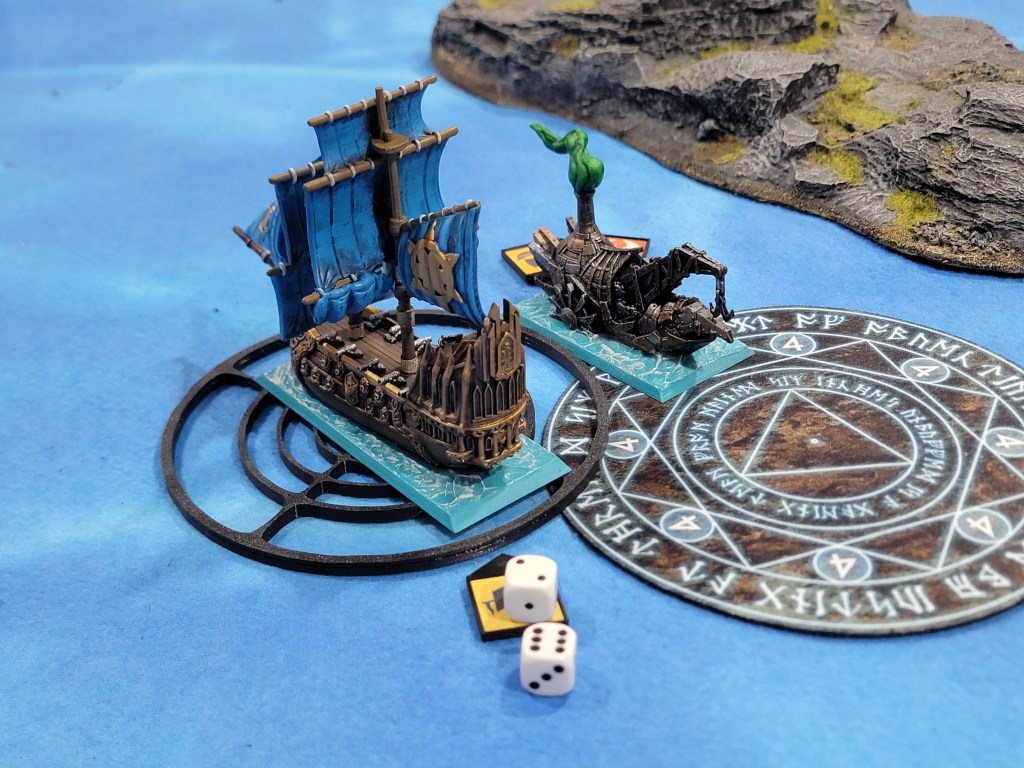
Paul fielded the Continuance Imperishable, a remnant of a once great kingdom of mages. Their faction rule revolves around being able to overcharge spells through convocation: multiple wizards contributing to a single spell to charge it up. Conceptually, it’s not hard to understand, but it does come with a whole table of how it modifies the game’s spells. It’s not hard to understand, but it does tax the working memory—as evidenced by Paul almost feeling “tired” at the end of the game after applying a lot of thought to how to spend his limited resources. Even with a whole pile of wizards and perhaps three times as many spell points as me, he found himself constantly rationing and debating where to apply those points. Normally, I cast a spell with around 3-4 spell points. He was casting 7-10 point spells. Not hard to understand, but it was a lot. I’d rate this faction as a high skill, high impact force.
I loved it.


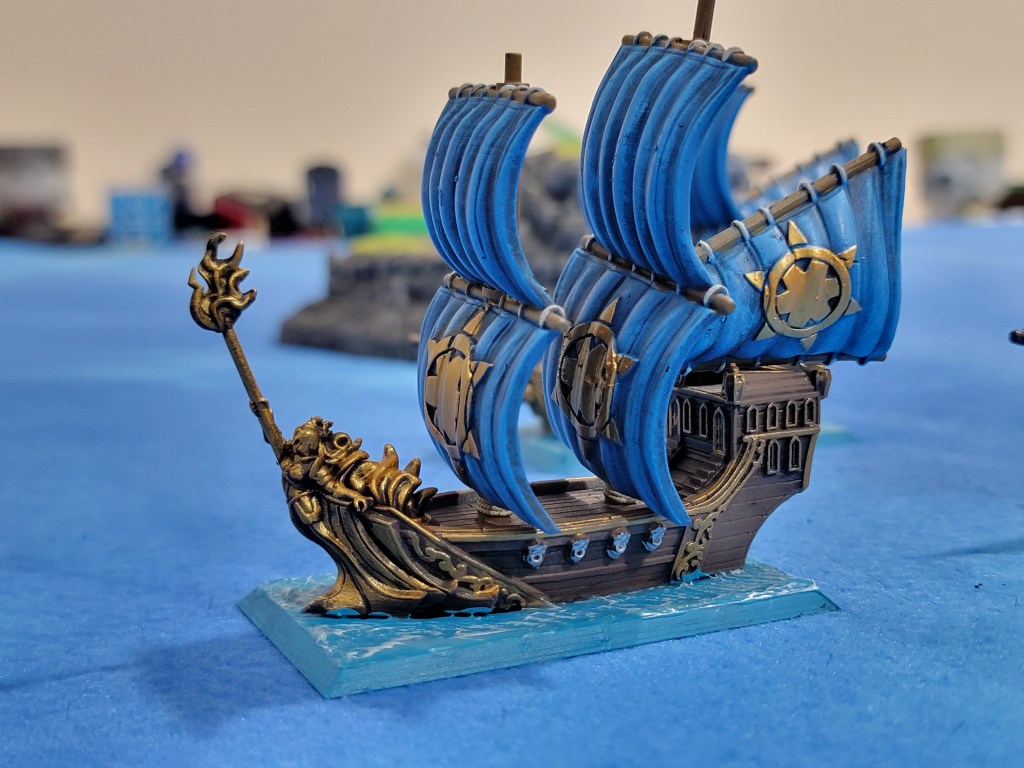
This model (“The Sixth Apotheon, Uplifted Most High, Last of Her Kind”) really brought home the flavor. Here, he introduces the idea of what I’ll call “Keystone” units. Units you can bring that shape your force and cost a lot of points. It’s a beast of a model, with a lot of spellcasting output, which actually augments his convocation ability. So long as it contributes to a spell, any wizard on the board, regardless of range, can also contribute. In essence, it’s almost a magical construct that helps to channel everyone’s power. It’s rad.
And he played it wrong.
You’ll note one of those photos sees it charging headlong into my archers. What I lack a photo of is two of my melee heroes, plus a unit of infantry counter charging the following turn and laying down a lot of hurt. It turns out the Apotheon is not quite built for raw melee combat against an entire division.

So we rewind. We discussed this moment after the game: the Apotheon could have chosen to attack one of the standing stones (the objective), but would have taken a gut full of cannonball and crossbows for doing so. Here, he chose to charge. It’s a difficult moment. He could have charged, cast big spells, or simply flown away and surrendered the flank. Without beleaguering the point, this really was a tough decision. I think I would have repositioned, but that would have left one of his stones open for me to swoop in and attack. It’s a moment where the right choice would have shaped the game. Instead, I’d argue the wrong choice did—but heck if I believe I’d have made the right one. It was tough. Again, I love it.

I did ultimately win the game thanks to this flank, but that isn’t the point. I think his convocation was a clever idea, and combined with the Apotheon it really created an interesting look into the potential of the faction. I really dig it.
On the other side of the board, my dwarves introduced a new rule: chanting. In short: all my units can spend an action to “Chant,” which creates a chant token. At any point you can spend chant tokens on your unit or any neighboring units within 6″ to reroll any of your dice. I’d say it worked nicely to create this idea of the dwarves constantly building each other up, mounting to a crescendo in which one unit might spend upwards of six tokens to really ensure a devastating blow.

It created an interesting action economy dilemma without overly taxing me as a player. I think it’s on the right track. The tricky part is if I got it right or not. One of the hard things about building factions and balancing as we go is… well, I could suck, right? Maybe I made the wrong choices. I used the tokens in the wrong moment. Maybe my opponent failed to really stop the right units, so the chants felt underwhelming because something else stole the show. I know that after one match I like the mechanic, but it didn’t feel very powerful. I don’t know exactly why that is. I’ll need a lot of playtesting to really tell.
Once again we return to the heart of the problem: so often, the only way to know is the play more. And even then, the only way to know might be to have other people play more.

At least it’s fun. This really was a great match and it came down to the wire. If every match comes out like this, we’re doing something right. My intent is to run the same army next time, but try to play it better. Keep testing this rule. Meanwhile, I’ve finally based up my void rats, so pretty soon I should also be testing out faction rules for my ratboys.
After a lot of coop moderns, it was refreshing to get back to Desiderium and to have such a great match, to boot. It’s an excellent contrast and really keeps things fresh for me. Now to go actually finally paint those rats I’ve been talking about for two months.
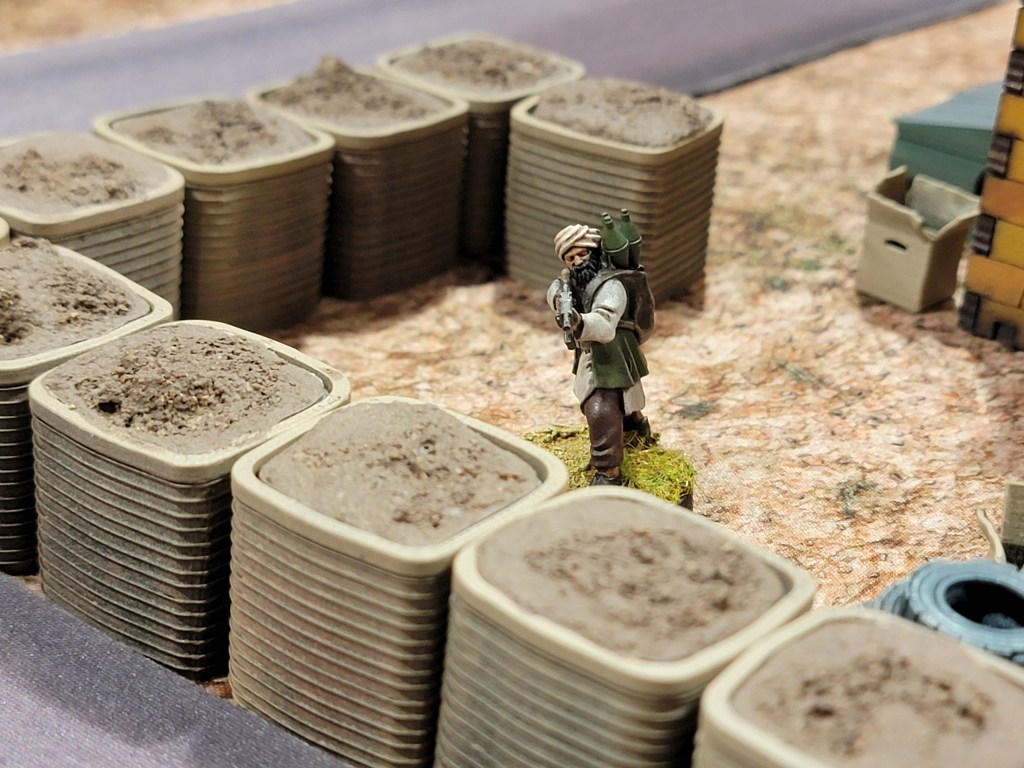
What’s that? Modern terrain? That highly rewarding, easy to paint stuff?
I… well… I mean… okay maybe the rats can wait a little longer.


Leave a Reply