My intent this week was originally to go over an effort to produce a digital preview of a ruleset I’ve been thinking about. That’s actually going quite well, but it immediately forced me to reckon with the ruleset and I now see I have quite a bit more to work on. So instead, let’s look at using a generic LLM to produce a few 3D printable files. I am, once again, using the latest version of ChatGPT – 6.2 Astra. This came out yesterday. Let’s see what we can do. My intent is to do two examples:
- 3D printable tokens for Frigates and Fireballs!
- A terrain piece for Desiderium
The tokens should be a slam dunk, but the terrain piece will require some work. Let’s start with the easy part.
Tokens
ChatGPT can readily understand this idea. I’ve had it whip up simple square images for tokens before for Frigates and Fireballs!, which I then printed on paper and glued to 3D printed holders. Those work well, but I’ve absolutely wanted to make 3D tokens. To set the scene, I am doing this in a project with ChatGPT where I have given it the Frigates and Fireballs! ruleset before. It knows the rules and the needed tokens as they are laid out in the rules. I start by asking it for a list of those tokens and then laying out what I’d like. My first real ask is for an image of the tokens that I can respond to.
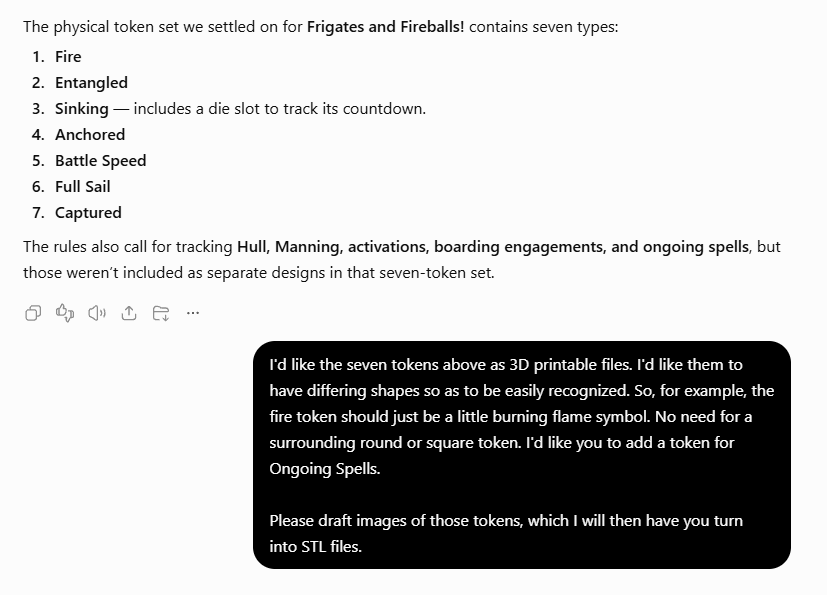
I request the mock up because it takes less time and less tokens, allowing us to quickly address any issues before moving on.
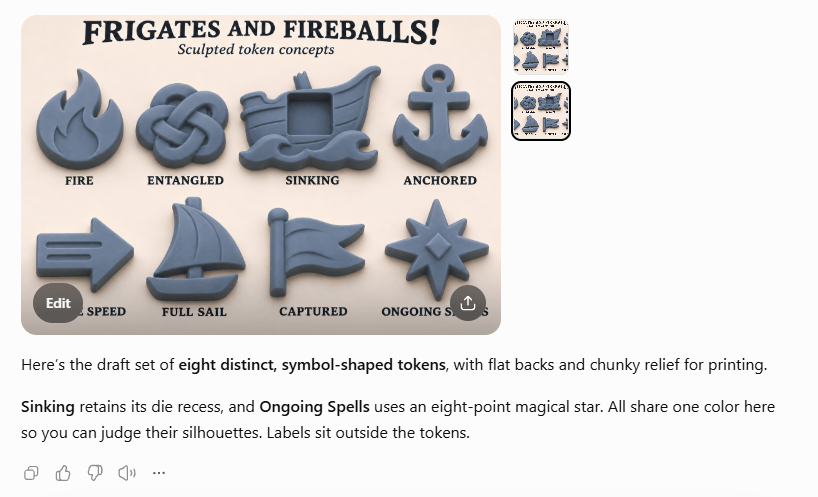
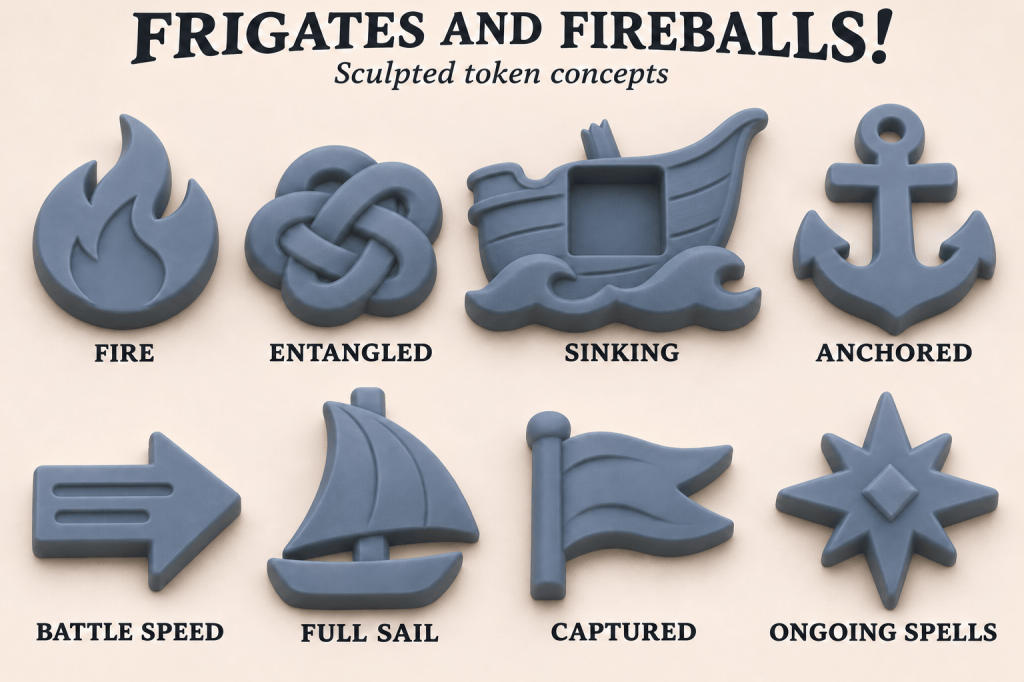
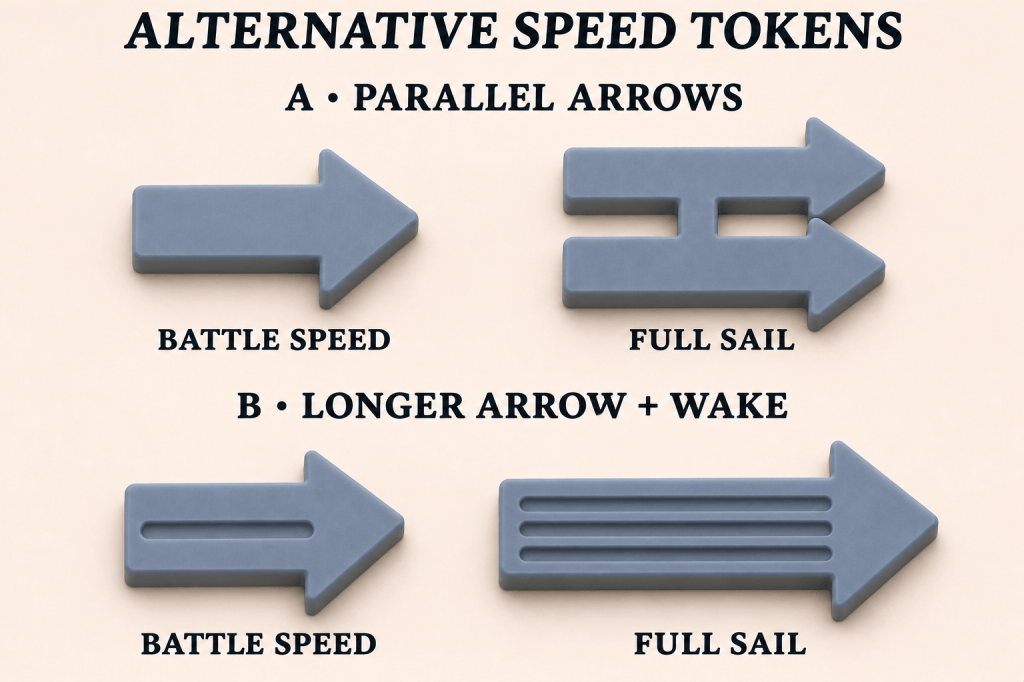
It gives me two sets of tokens. I prefer the sinking token we see here above, then ask it to review the speed tokens. We went through a few varieties before landing on the final version.
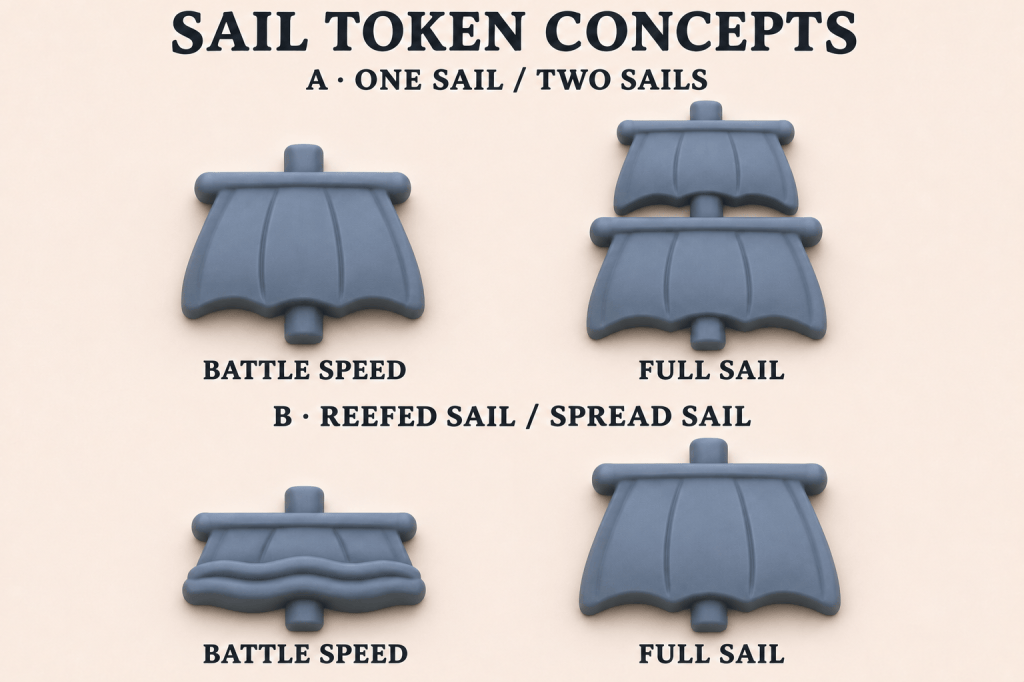
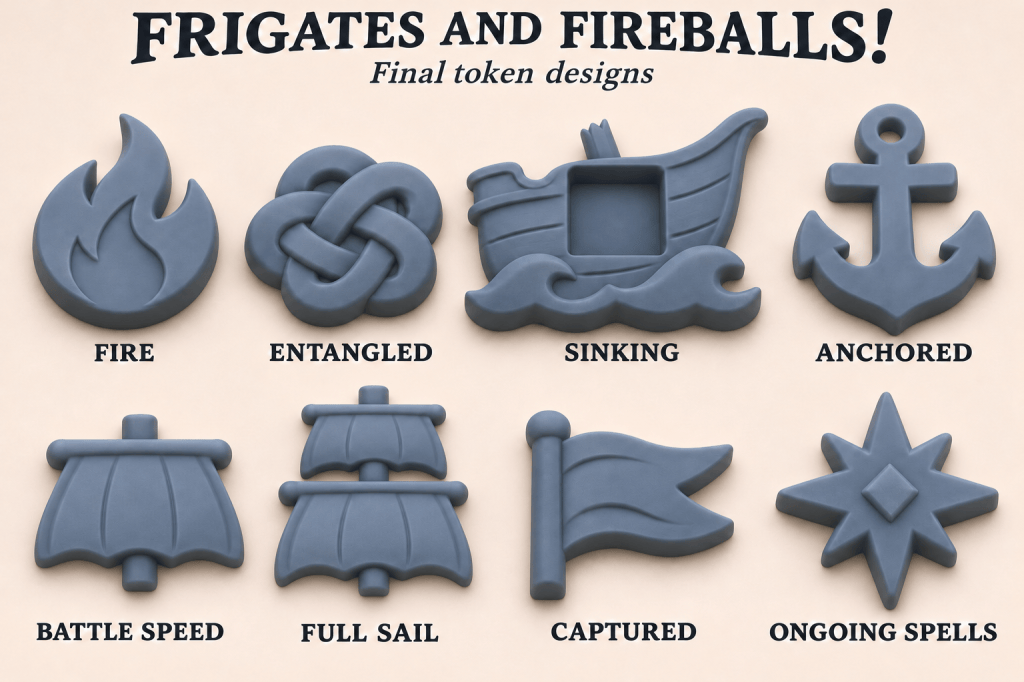
Now for the scary part where I ask it to actually build the models. See, ChatGPT is great at sketching models. Designing them is another story. I expected the sails to go poorly, perhaps the entangled, and almost definitely the sinking vessel token.
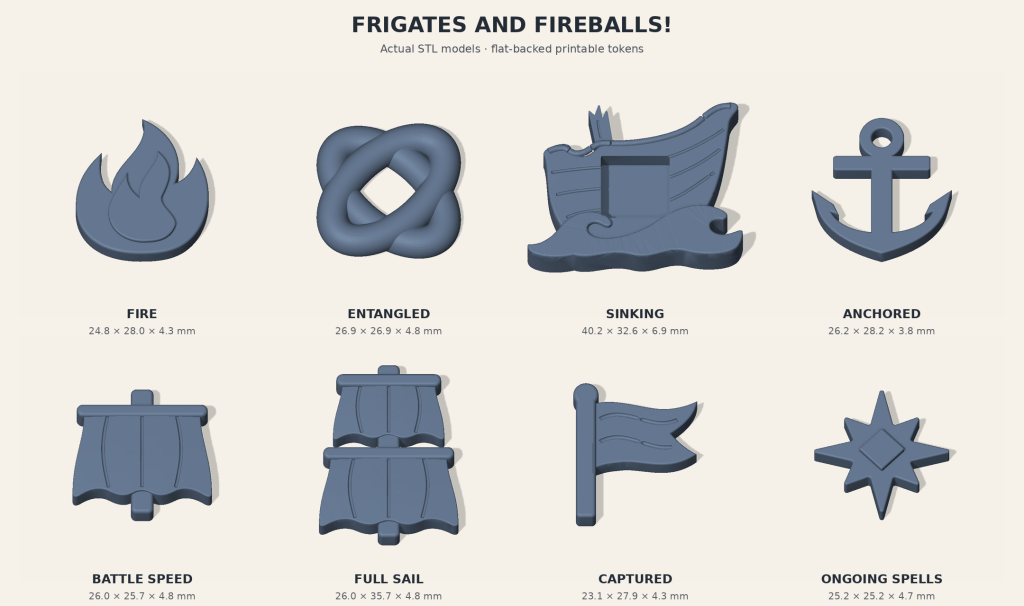
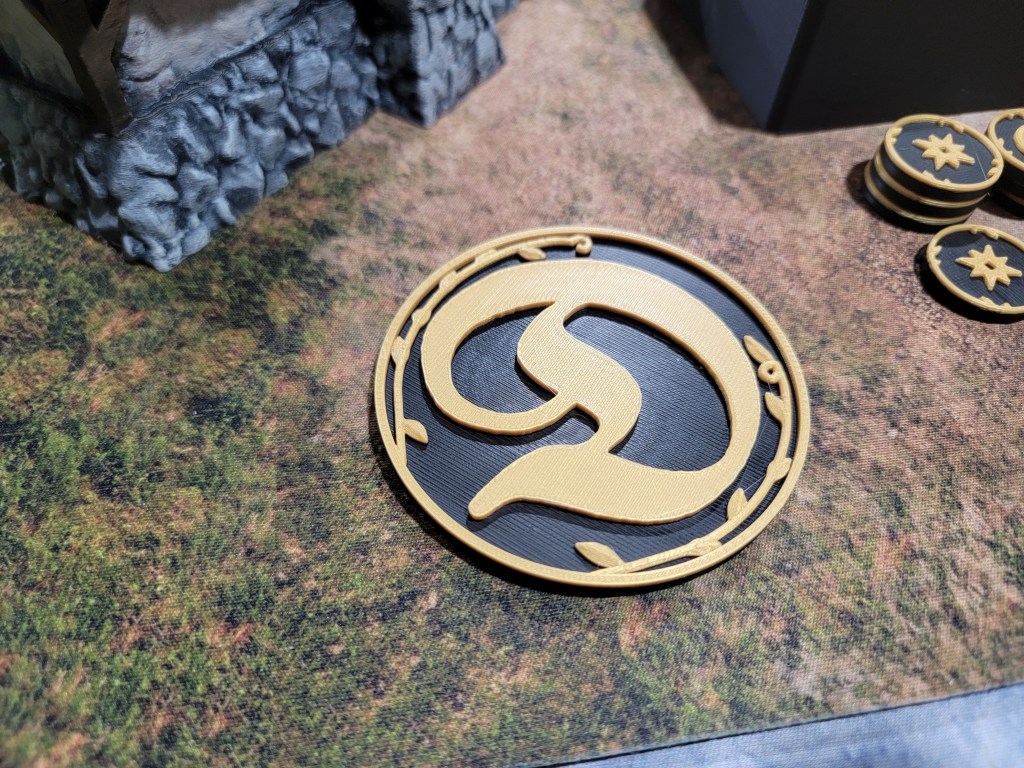
The end result was far better than I expected. These renders match the actual models (I confirmed in my slicer). Entangled could use some work, but I’m overall quite pleased. ChatGPT genuinely comes through for the purpose of making simple tokens. Now the hard part… buildings.
Terrain
I am going to attempt two pieces: one building and one scatter piece. I’ve found ChatGPT does well with simple architectures, and what I want is a stone desert dwelling for my Samit (desert orcs), so that works well. For the scatter piece we’ll be a bit more risqué. I’m going to aim for the skull of a dead dragon. I’ve had bad luck with more organic terrain before, so I don’t expect that one to go well. First, the building:
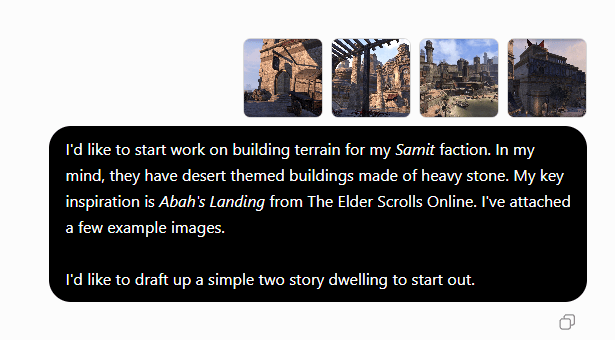
I started by giving it a point of reference and several images, then asking it to draft a design. ChatGPT knows me well enough by now to know I want to start this process with a mock up, but you may need to more directly prompt it to do so.
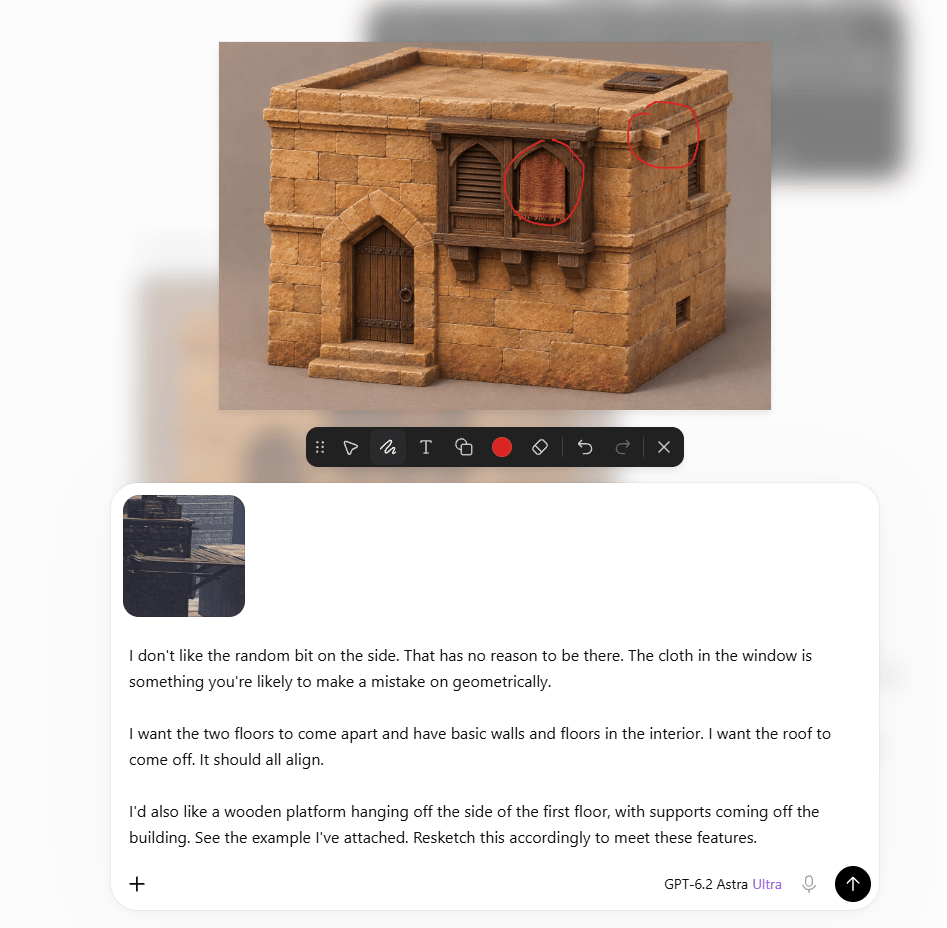
I didn’t like the sketch, so I clicked on it, which allows you to draw and make comments. I anticipated the cloth in the window being too difficult, so I asked it to avoid that. The rest of the building is mostly on theme. I made some clarifications about having interiors and multiple levels, then added a small wrinkle. In Elder Scrolls Online, many of the buildings have little platforms hanging off of them. This allows for excellent verticality in the game as you jump between buildings. While I won’t be using that in Desiderium, it would be really cool for Elder Scrolls: Call to Arms, so I’m adding it here.
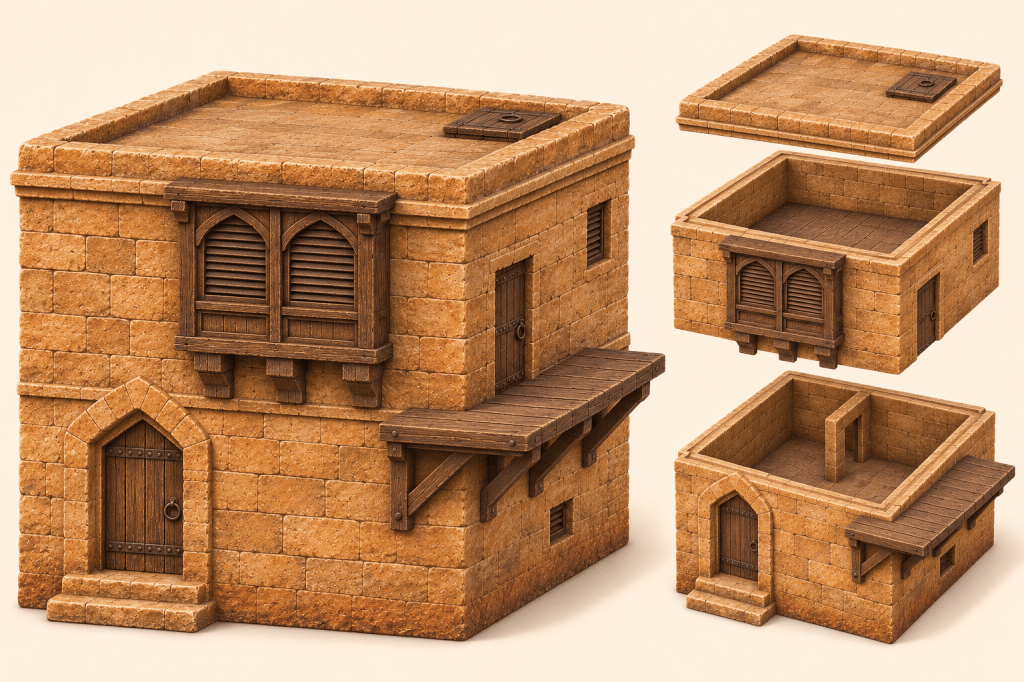
Its new mockup is great. I think this is within its capabilities, so I asked it to make the files.
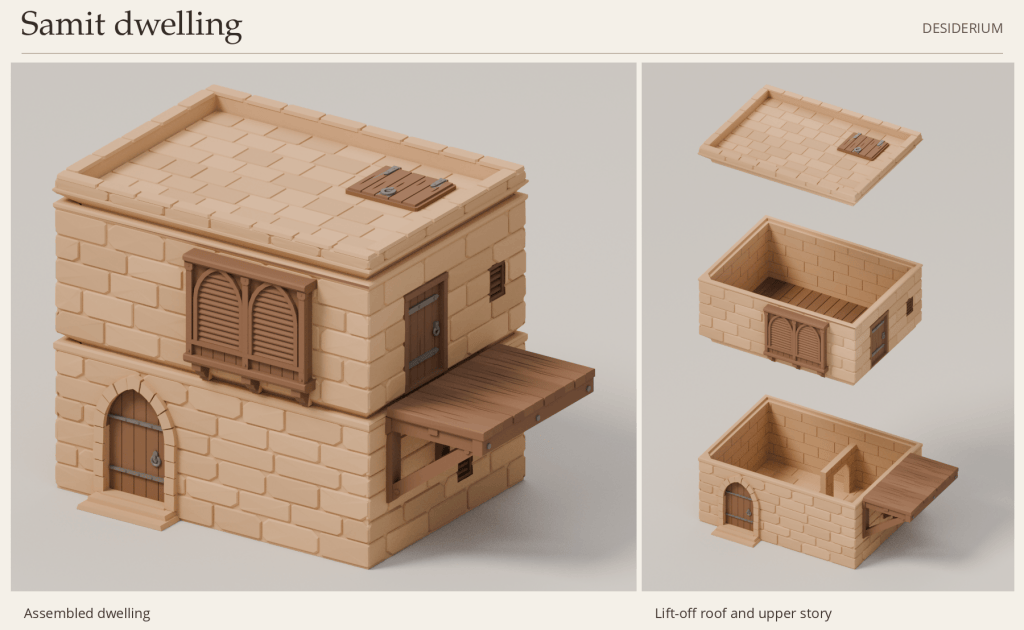
The end result is… genuinely not bad. As a part of a wider set, this is actually really good. It even considered that the bottom floor would be stone but the upper floor would be wood. Overall, actually good stuff. Now for the harder one.
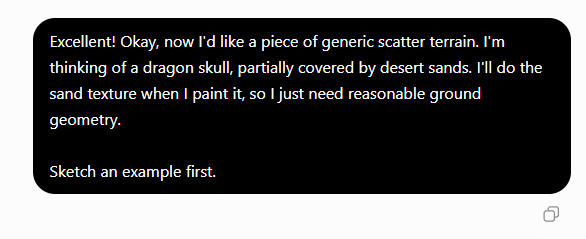
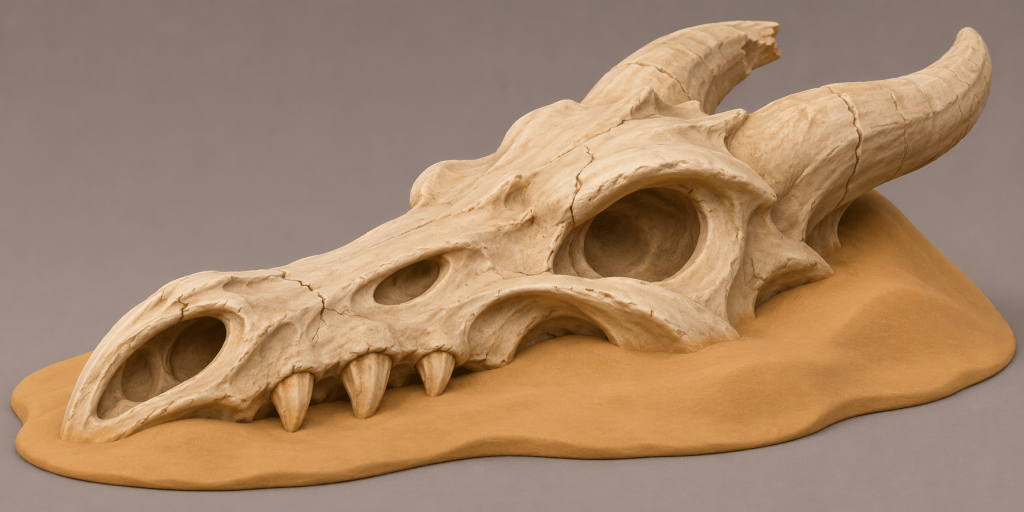
I’m actually excited. It’s done well so far, so I have a bit of hope it might actually get this right. My past efforts have been with GPT 6.0. Maybe 6.2 can do better.
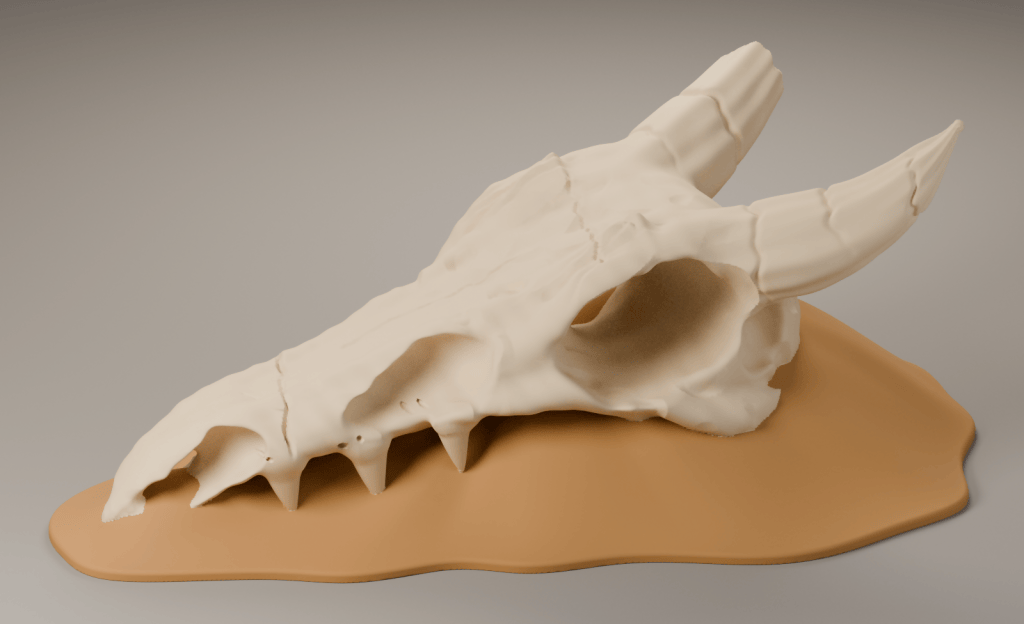
It… looks like a Pokémon and is no longer covered by the sand. It’s passable, I suppose—a better effort than past attempts. I could keep trying, but I don’t think I’ll see significant improvements. With some work, I could build up the area around it and make this work just fine.
I know that if I wanted, I could find a good skull file and ask ChatGPT to merge it with a sand dune file. I’ve tried having it edit existing models before and it can do quite well, but that’s a post for another time after my weekly reset—it burns a lot of my weekly usage allotment (tokens).
Putting it all together, I:
- Use references where I can.
- Always ask for a mockup.
- Try to keep terrain simple.
It’s nothing revolutionary, but it’s been fun to experiment with this. I have a whole dwarven village for my Kol-Tin printing out currently. The first building came out just fine and was the most complex, so I don’t doubt that the rest will work out. As a way to make terrain, it still can’t match the quality of a good artist, but for a few simple bits and bobs I think it works well enough. I could readily see using it to flesh out an existing terrain set with a few additional pieces. Wait…
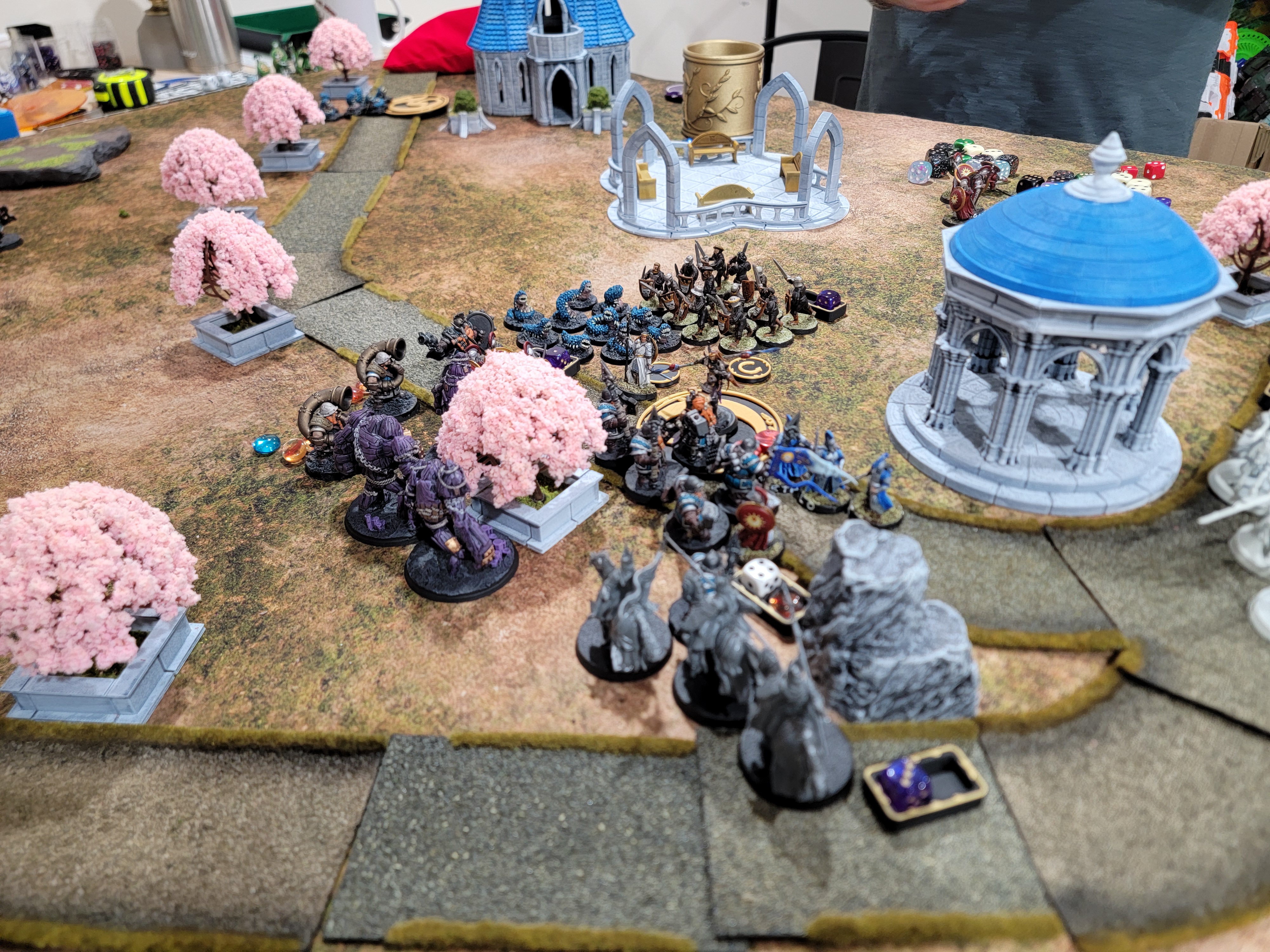
I’ve got this lovely elven terrain set I pieced together with some free files and a few paid files. One thing I’ve always wanted for it is low walls. I designed my own once but didn’t truly like them. Shall we run an experiment?
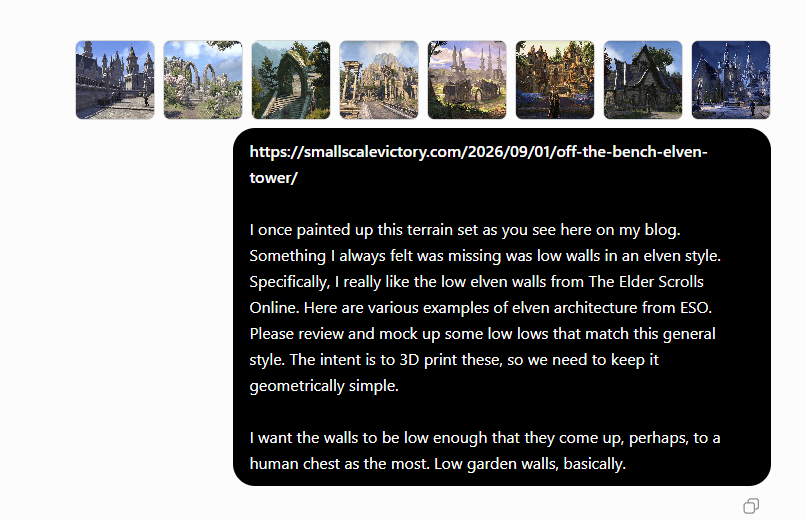
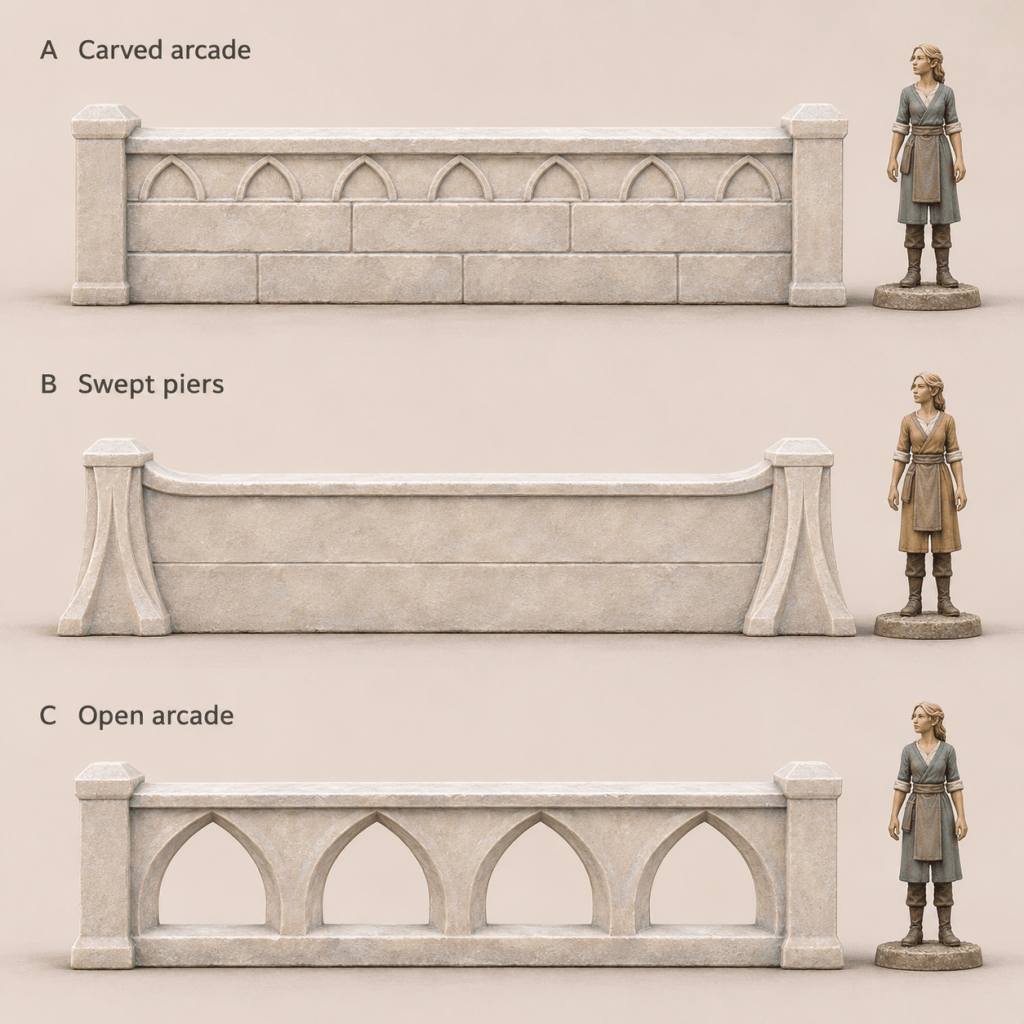
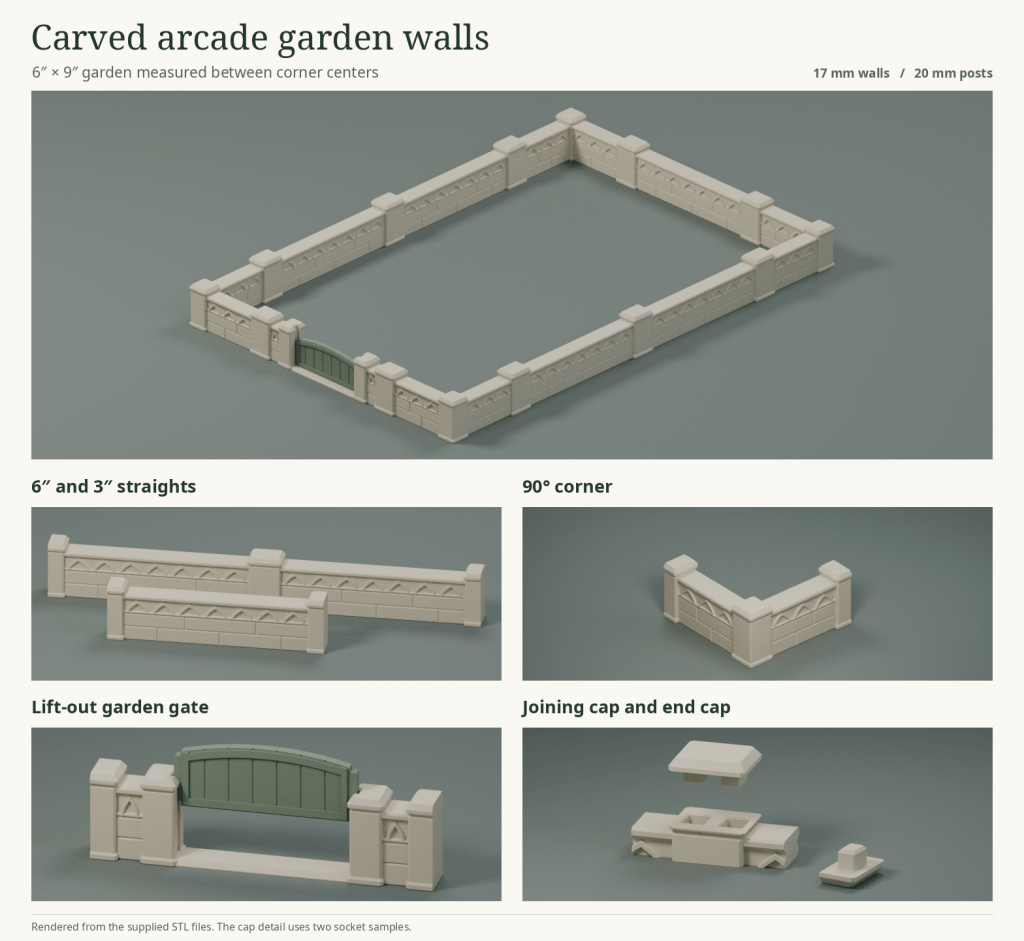
The little caps are a cute idea. I have to print these out to test, but man was this useful. This is exactly what I wanted to finish up my elven terrain set. I’m stunned.
I might revisit this topic as I experiment more. For now, I hope this post was useful. I’m genuinely excited for the ability to make terrain sets that meet my vision and while it still has some distance to go, I’m really pleased with what I can get ChatGPT to make so far.
Next topics I anticipate in this series:
- Building a digital instantiation of a tabletop game for testing.
- Reworking miniatures 3D printable files with ChatGPT.
- Using ChatGPT as a game design aide to help flesh out ideas or catch unanticipated issues.
That last one is probably the most controversial in this series, but I’m committed to it. I won’t let the AI fully construct portions of my game, but it is genuinely useful as a check. More on that whenever I get there.
Thanks for coming along for this ride. Obviously, more to come.



Leave a Reply