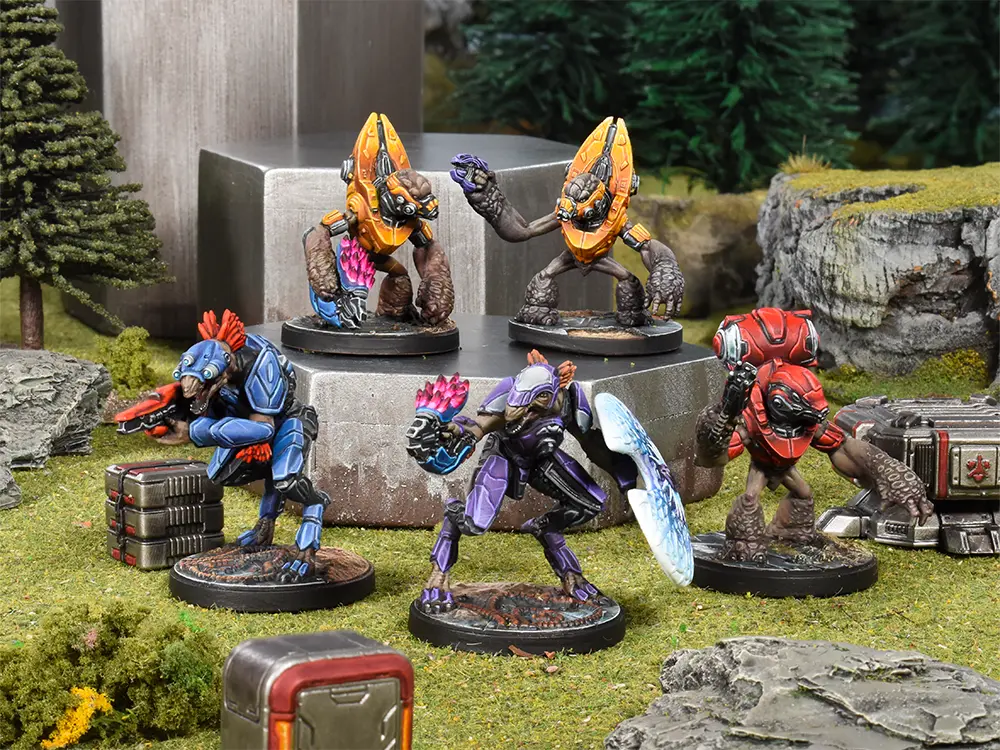
Note: Title image was taken from Mantic’s upcoming releases. Halo: Flashpoint is getting Unggoy (Grunts) and Kig-Yar (Jackals).
I suspect Mantic will eventually publish a platoon-scale game for Halo, but I’ve been thinking about it myself. With the advent of 3D printing, it wouldn’t be very hard to augment my existing pile of Spartans and Covenant with a few prints and throw together two platoons. Or, just… buy a lot of the upcoming releases.
But for what game?
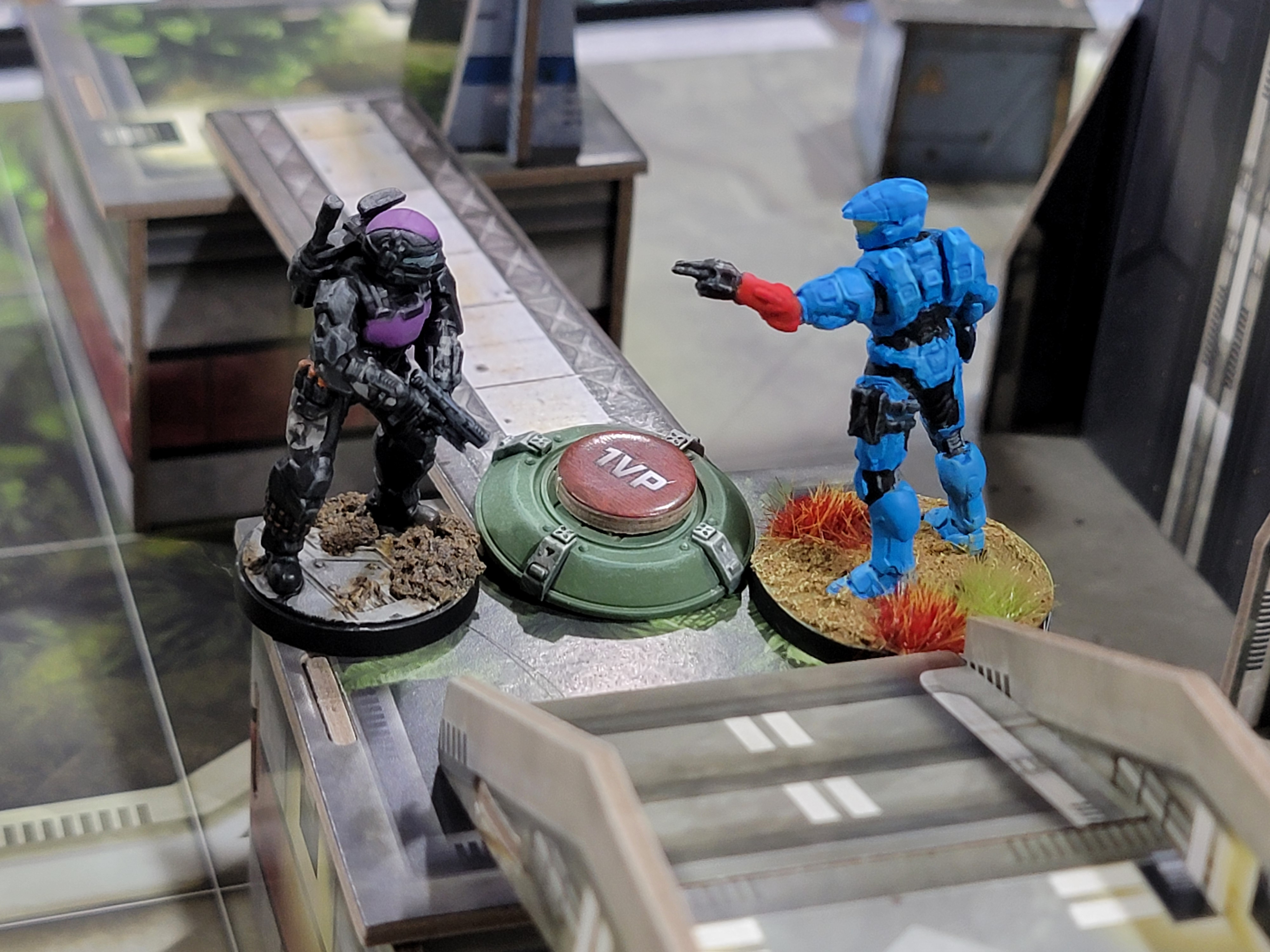
I’ve seen people adapt existing rulesets but I think that sells Halo short. Particularly at the platoon level, where Spartans, Elites, and other heavy hitters have outsized impacts, while the idiosyncrasies of the Covenant troops really matter. I love Halo: Flashpoint, but as we start to fold in Ghosts and Banshees and larger units, I think we really start to hit the place where Halo becomes something truly unique due to how the two (main) sides interact.
Take Covenant Grunts, for instance. They should obviously be low-accuracy units that are easy to kill. To a Spartan this is certainly true. But what about for your UNSC marine? To him, a grunt is a thing he has to deal with. It’s a threat. To a Spartan, a grunt is only a threat if they’re truly not paying attention. It’s not enough to think of them as standard units that hide in cover. You need a rule that allows them to send off a suicide bomber. You need a rule that covers how cowardly they are and how they’ll scatter if an Elite dies nearby.
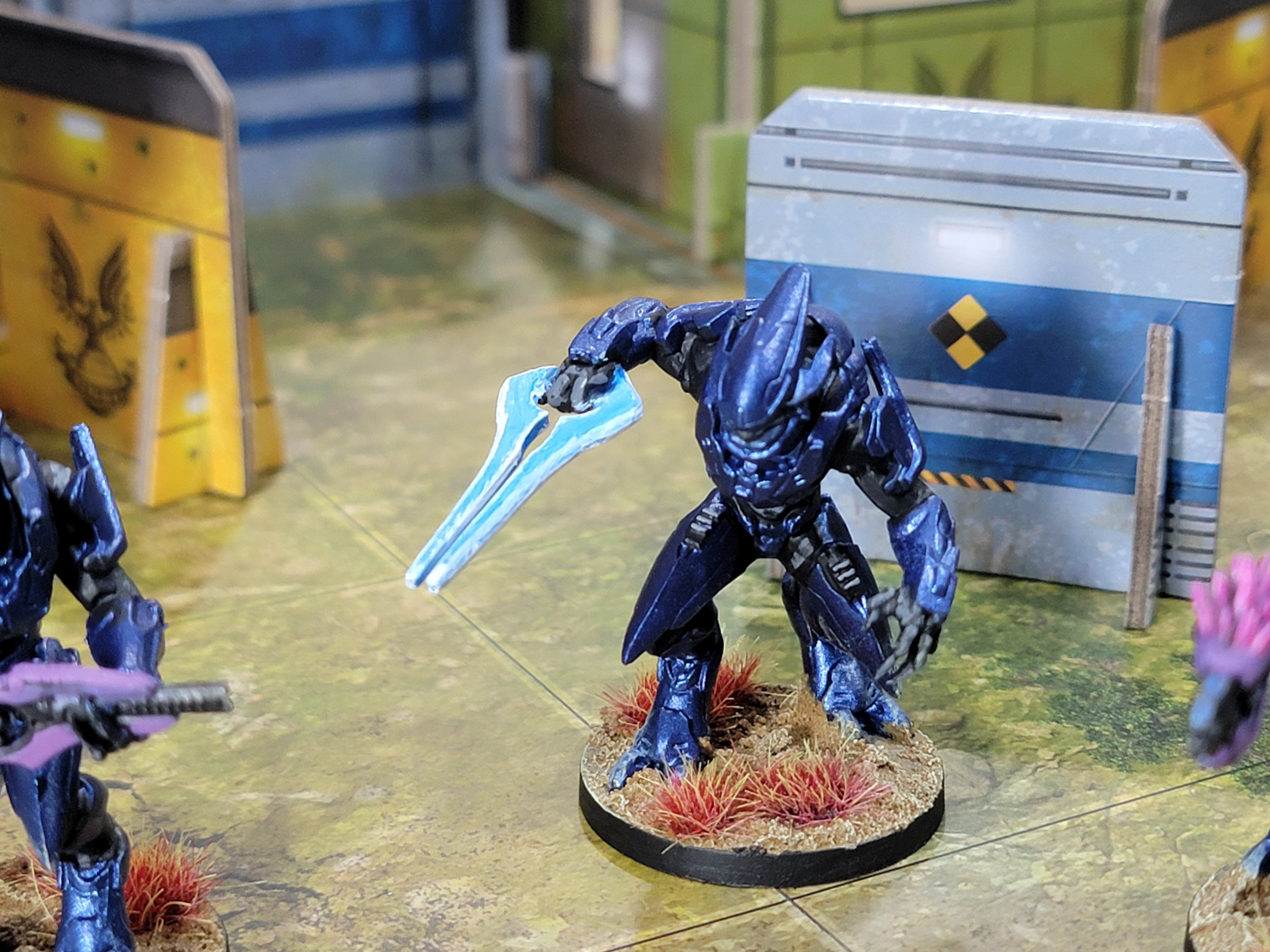
Some of this can be handled by a robust underlying morale system. Some of it requires special rules to enable the correct behaviors.
So here it is: let’s sketch a Halo platoon-scale game.
Activation & Command
I think you need an activation system that allows your more elite units to act reliably while representing the importance of command. There’s quite a few ways to slice this one. I want to tie it to command.
Units will accumulate battle stress when shot, and when they surpass a threshold they trigger command checks. It’s a dice roll that, if failed, will cause the unit to do the thing you don’t want it to do. Here’s a few examples:
- Grunts: if not in command range of an Elite, they will prefer to flee or cower in place under cover.
- Sniper Jackals: if not in command range, they will maintain a minimum distance between themselves and the enemy.
- Brutes: if not in command range, they will prefer to charge and melee enemies.
- UNSC Marines: if not near a Spartan, they will prefer to shoot the nearest enemy and stay behind cover.
Meanwhile, your ODST, Spartans, and Elites will never require a command check. They’re in control and know what they’re doing.
Dice and Stats
We’ll keep the dice system simple—there is no need to overcomplicate this. I prefer using D10s so you can represent the gulf of skill between a Grunt and a Spartan. Beyond that, we’ll implement standard modifiers for shooting and melee:
| Shooting | Melee |
| Enemy in cover | Charging bonus |
| Obstructions | Weight class comparison bonus |
| Range (Close vs. Long, all ranges infinite) |
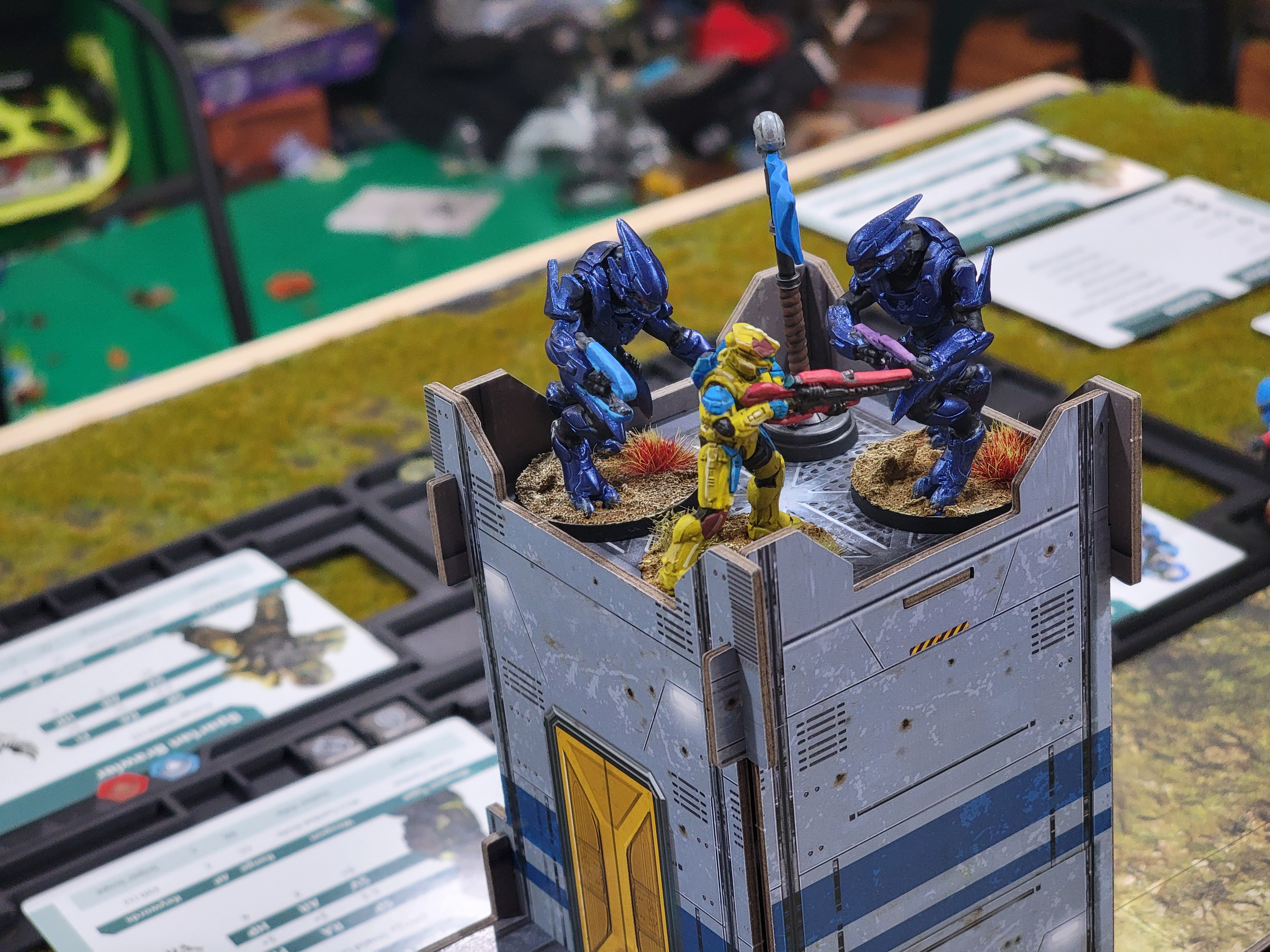
I’m half and half on whether or not we need a system of pinning. The answer is probably “Yes, but” with shielded units ignoring the pinning system while they have their shields up. This allows shields to enable robust mobility. This is why a Spartan can just run around the battlefield while your Marines have to slog their way up the field, cover to cover.
Unit strength can be readily abstracted through dice values. Grunts hit on 9+, while Spartans hit on 4+. Stats will follow the obvious trends: Movement, Shoot, Melee, Armor, Health, and Shields. This gives just enough to hang our hat on to be able to make weapons feel diverse without being cumbersome about it.
For combat, you roll to hit, roll to save, and apply damage. Simple and clean. This does not need to be fancy. Via the statlines, we should be able to make Elites and Spartans very durable while allowing the “Fodder” units to fall off across the battle. Ideally, killing a Spartan or Elite should take the dedication of their counterpart or the dedication of much of the enemy force.
Chew through the shields, then pierce the armor, then eat the health. This shouldn’t happen because one unit of Grunts roll hot. It should take the Grunts, followed by the jackals, followed by the elites or brutes all against a Spartan who is poorly positioned in the first place. Vice versa for Elites.
Morale
Units without shields accumulate battle stress as they make defense rolls. This will first trigger command checks, as above, and then pin them. Each turn, units will automatically drop stress, enabling Spartans to passively drop stress at a faster rate. Meanwhile, bonuses from the leaders, Spartans, and Elites will help to mitigate their forces’ respective stress levels.
Special Rules, Gear, and Making Things Unique
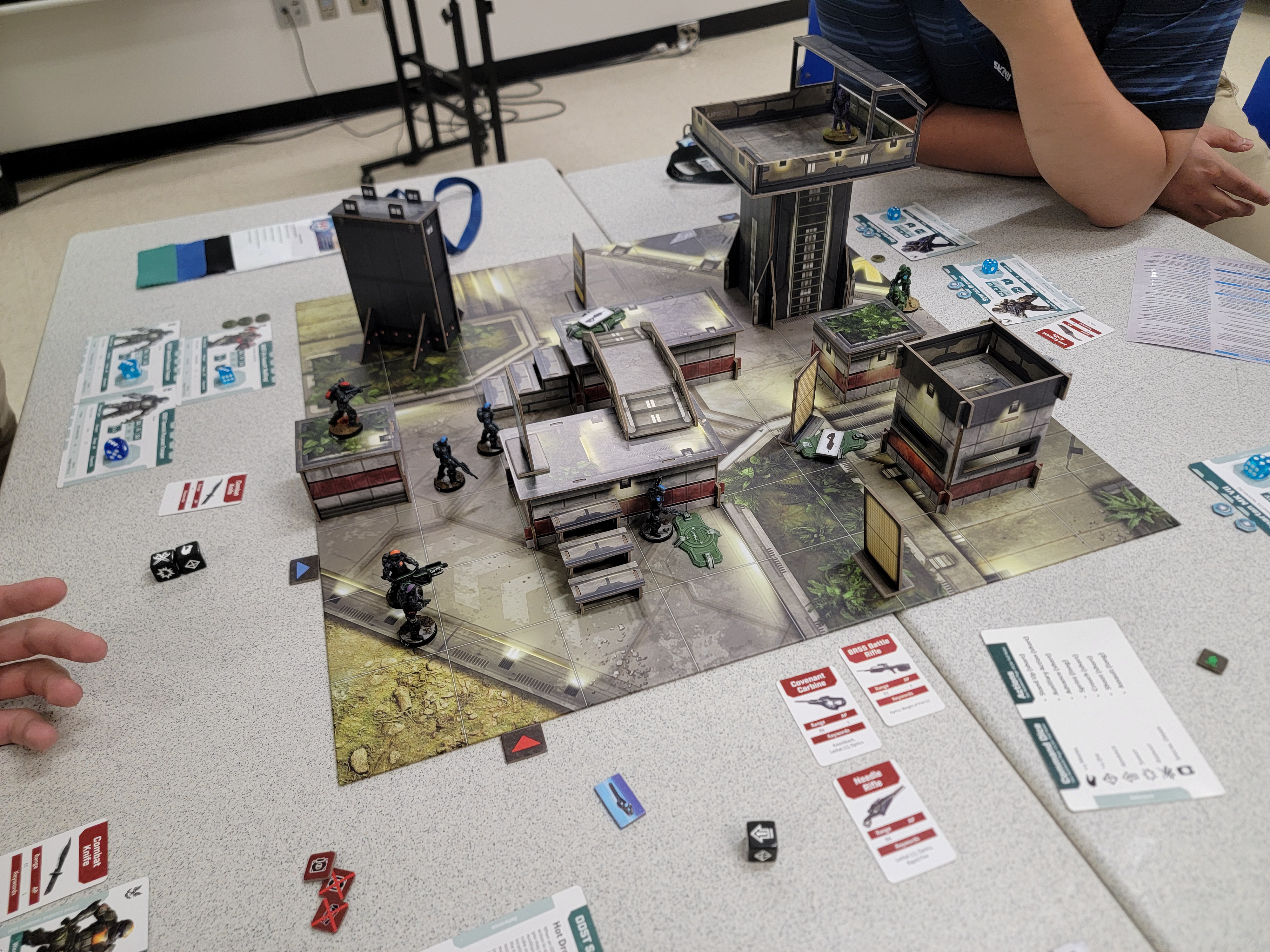
This is a game where I’d lean on special rules and gear to make each unit type operate in a different manner. This is especially important with the Covenant. Here’s a slice of what I mean:
- Grunts: can, once per turn, sacrifice a model to go on a suicide run. This, combined with bad shooting and hesitant activation due to low stress thresholds, makes for a unit you can use to distract Marines, screen, and threaten enemies that aren’t paying them proper respect.
- Jackals: Shield Jackals carry shields with their own rules, which enable them to flank the enemy—until those shields burst and the jackals go running. Contrast this against Sniper jackals who are very accurate and deadly, but will prioritize keeping their distance from the enemy; a good UNSC player will always have something trying to zone them out or outright kill them.
- Brutes: their statlines would make them durable, and their rules would enable them to move faster when charging to help them get into melee. Combined with their activation rules earlier, you have a dangerous unit that you want to dedicate to hitting Spartans… who might run off and chew on Marines instead.
- Elites: they’d come with shields and a special rule that allows them to choose to sidestep incoming shots instead of rolling armor saves. This would force them to move laterally, which would possibly expose them to further fire. Beyond that, they’re both vital to controlling your force, but also vital for killing your enemies.
- Marines: reasonably accurate and reliable troops, but they are readily distracted and pinned down. Their command roll will prioritize attacking nearby enemies, and their special rules will reinforce it. When failing a command roll, they will spend their turn shooting at whatever the nearest enemy is. When they do shoot on your order, they’ll still prioritize nearby enemies, with inherently shortened “Close” ranges for attacks.
- ODST: Elite troops who do what you want when you want. They’re the most straightforward unit in the game, but much more fragile than Spartans.
- Spartans: fast moving, deadly, the star of the show. Similar to Elites in nature, but a touch better. At least until we introduce Spartan Killers… but that’ll be farther down the release cycle. This is, assuming, that Mantic sees this post and decides to hire me out of the blue. (I have a good resumé! I promise!)
Gear
Not much to say here, but a big part of Halo is how the different gear works and interacts. Covenant weapons are better at taking out shields, while human weapons are better at handling armor and health. With the three layers of defensive stats, we should be able to represent this just fine. I’d seek to model as many of the basic Halo weapons as possible as wargear options and a successful force will find ways to intermix different items.
The Mission
It’s always important to understand what your missions will look like. I expect missions in Halo: Platoon Battles to revolve around objectives, where a player is seeking to take control of a battlefield or key objective. As a quick sketch, here’s three:
1. Control: Standard mission with three objectives and points progressively scored for holding them. This is the “Default” and represents capturing ground.
2. Assault: One side defends an objective and the other side assaults the objective with some off-board air support or permission to bring more high level (Elites, Spartans) units than normal to help sway the battle. The defender’s inherent advantage is overcome with some force structure permissions.
3. Send It: One side is trying to hold onto an objective for a set period to send a message. The other is trying to dislodge them.
I’d probably scrape Halo missions for more ideas, but this is a start.
The Forces
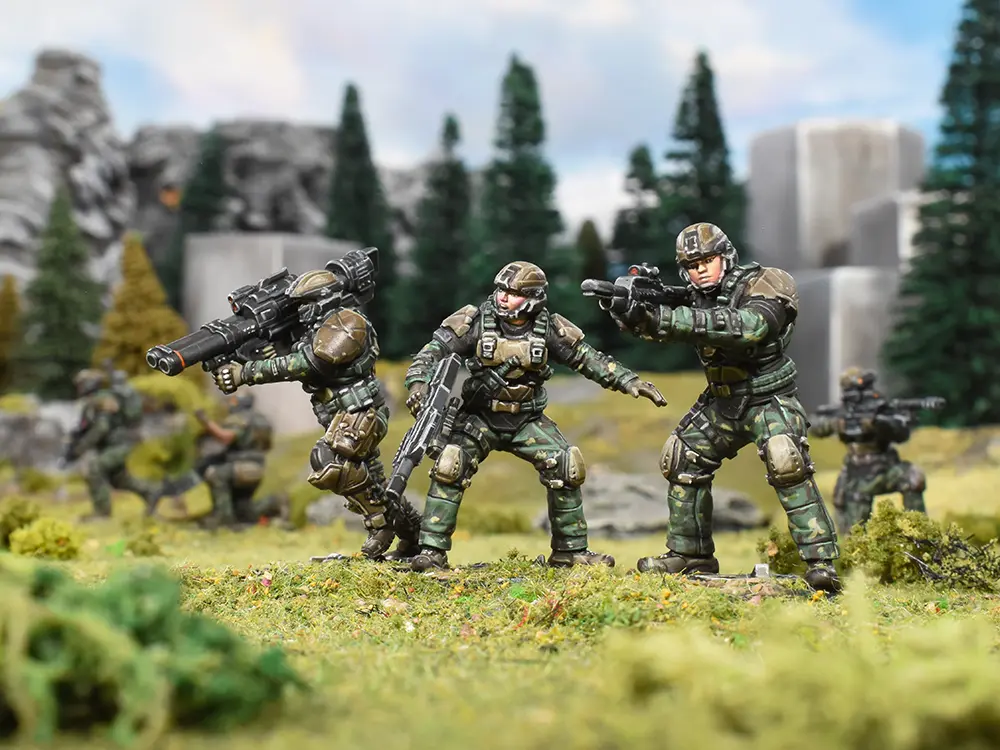
This is a platoon-scale game, so here’s an example of what I’d like two respective forces to look like:
| UNSC | Covenant |
| 3x Marine Squads (~24ish models) | 3x Grunt Squads (~30ish models) |
| 3x Marine Support Weapons (~9ish models) | 3x Jackal Fireteams (~15ish models) |
| 6x ODST | 2x Brutes |
| 2x Spartans | 4x Elites |
These are actually large forces. I would probably price it such that taking both ODST and Spartans is cost prohibitive. This is where I struggle just a tad—too many activations will slow the game down, but it’s hard to not want a bit of everything. I’d have to revisit this. No amount of “Fast play” will overcome having too many units of action.
The Vehicles
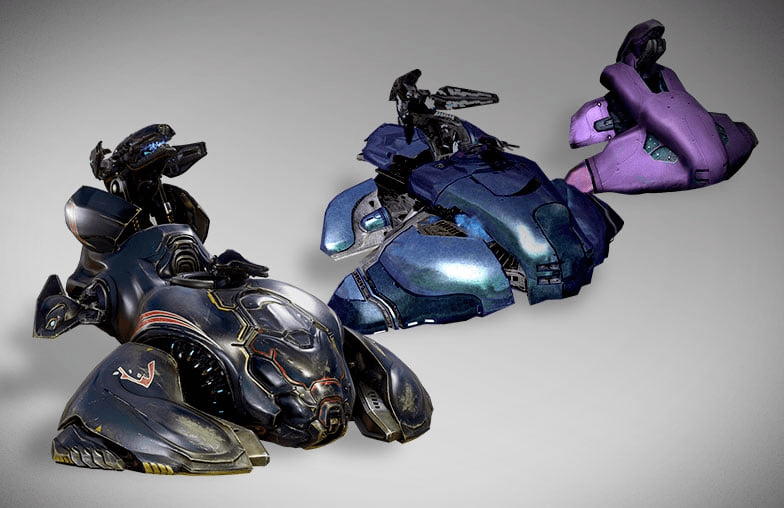
Speaking of, I haven’t touched this topic yet. Yes, I want vehicles. I’d want only one tank and maybe a few support vehicles per force. This is platoon-scale, so vehicles exist but are not dominant. As for damage systems: I’d keep it simple, but only certain weapons would be able to damage vehicles in the first place. You’re not destroying a Banshee with an assault rifle. My ideal anti-tank system is the one used in Chain of Command, so I’d likely build something similar here: roll to hit, roll competing AP and armor dice, determine effect on chart.
Concluding Thoughts
Will I write this? Maybe. I might end up with enough Halo stuff sitting around to want to try it. I’d only really have to 3D print a few more dudes to paint at the going rate and I really love the idea. The systems are pretty well reified in my mind. Thankfully, Halo: Flashpoint has me plenty entertained for the foreseeable future, but man…
I really want to paint a Wraith, ya know?
 Small Scale Victory
Leave a comment