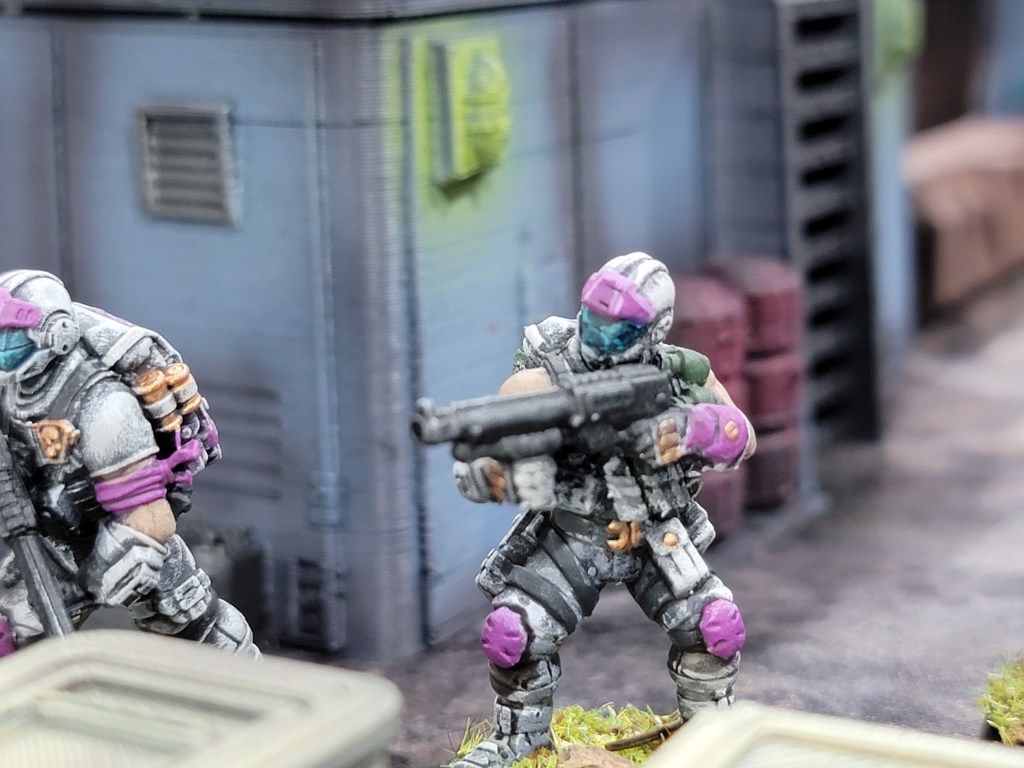
Let’s see, this past weekend I: wrote a report on Viking Cruises, produced a brief on Apple’s business strategy, refined the list builder for DPS, playtested both Desiderium and DPS, and painted up another vector with my son. This is my long way of saying: I earned a lazy post.
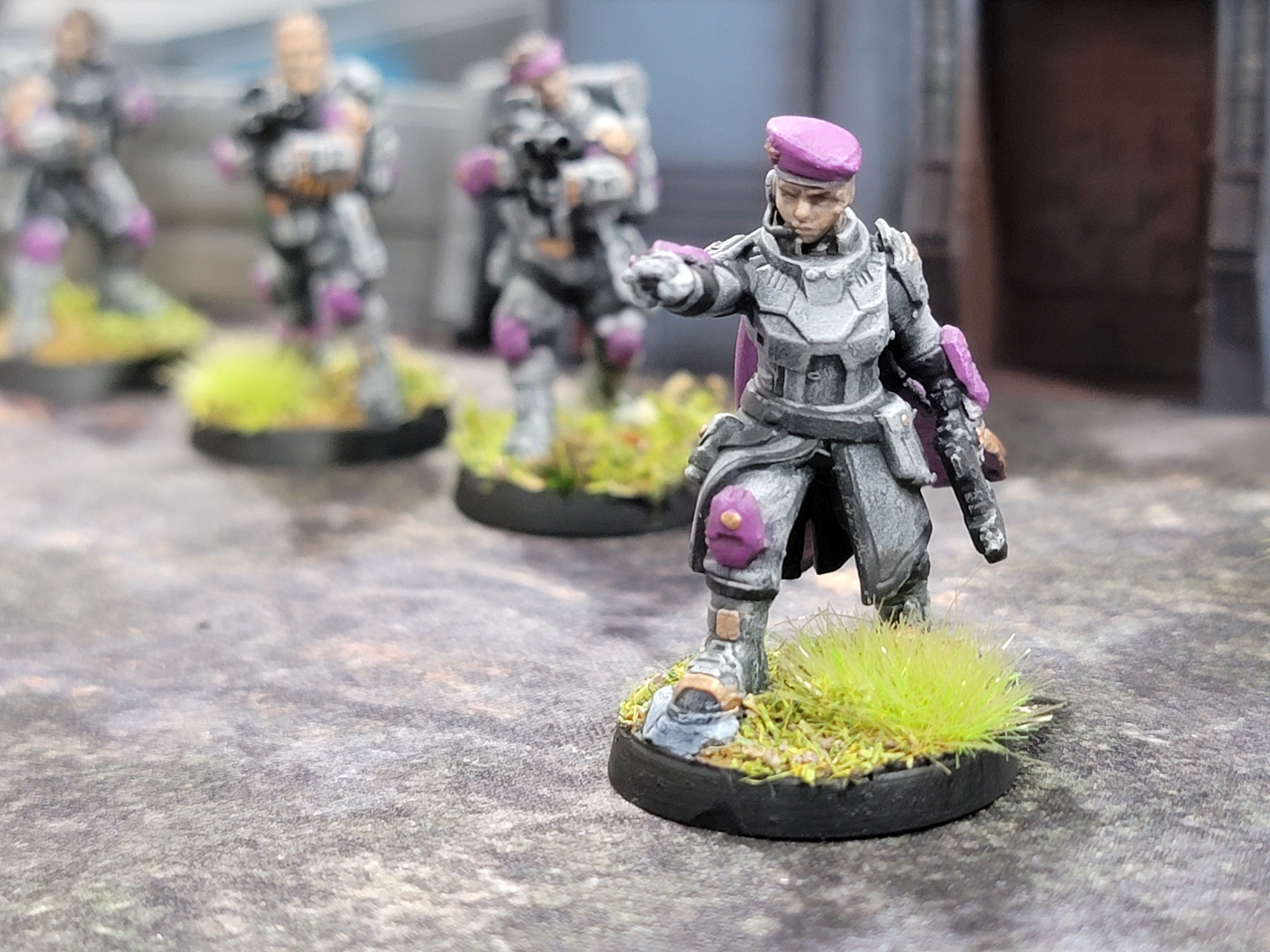
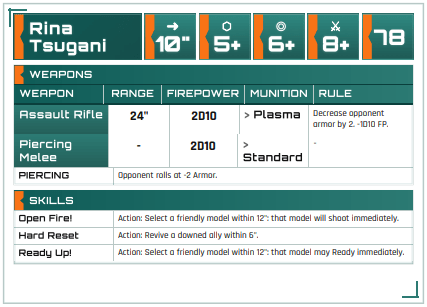
Rina Tsugani is my latest Vector Lead. She was built to lead my Rifle Vector, so more of an all-rounder able to get in and support. She has a solid statline: 10″ move, 5+ armor, 6+ shooting, 8+ melee, combined with a hefty price tag of 78 points. A Vector is composed of 300 points, with the average model clocking in around 40ish points.
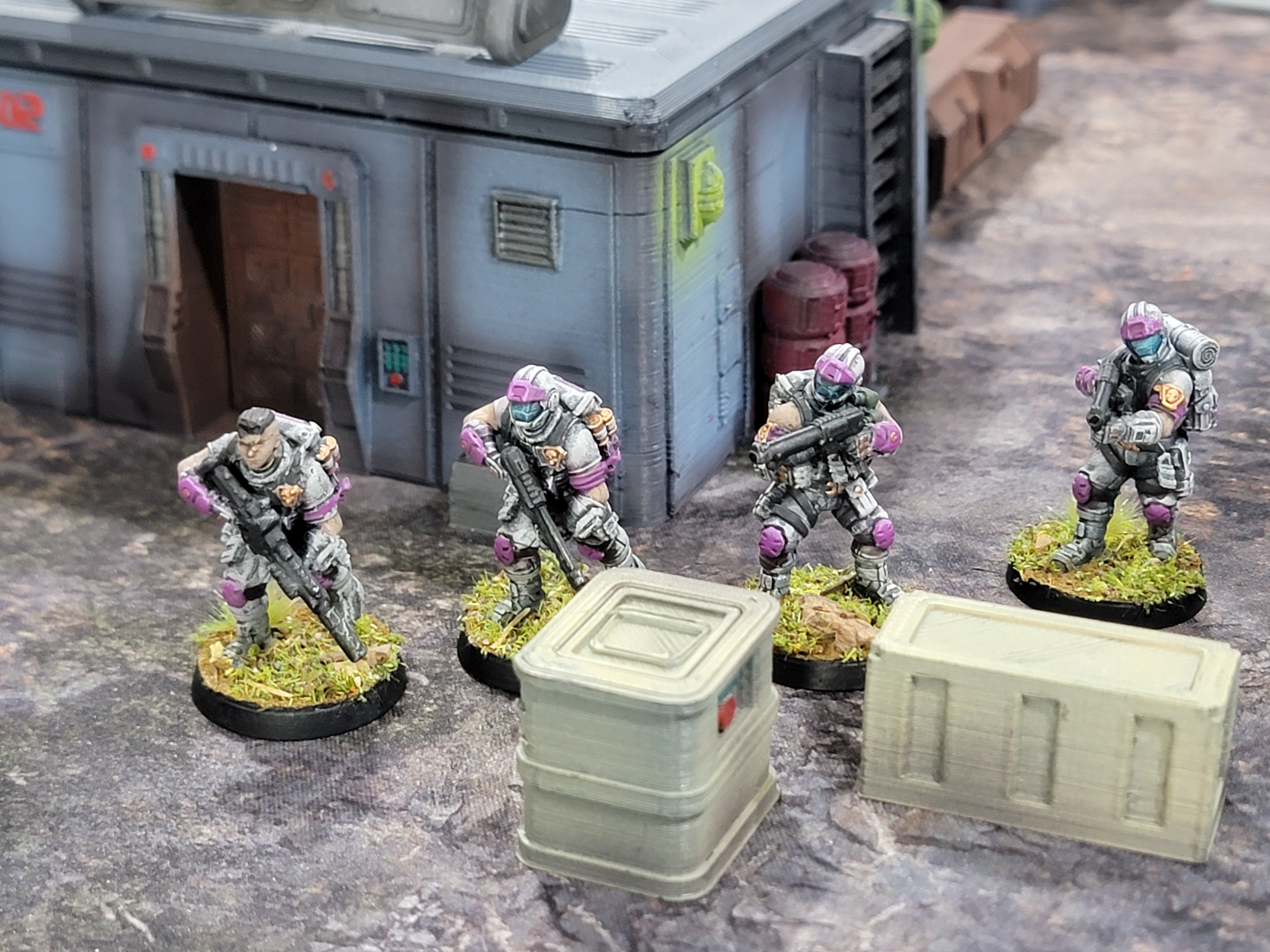
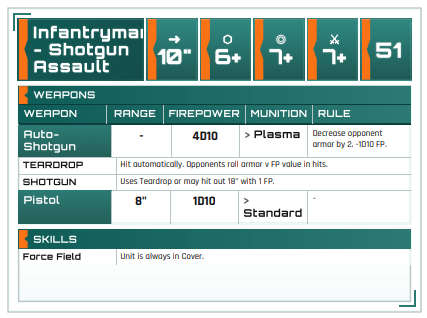
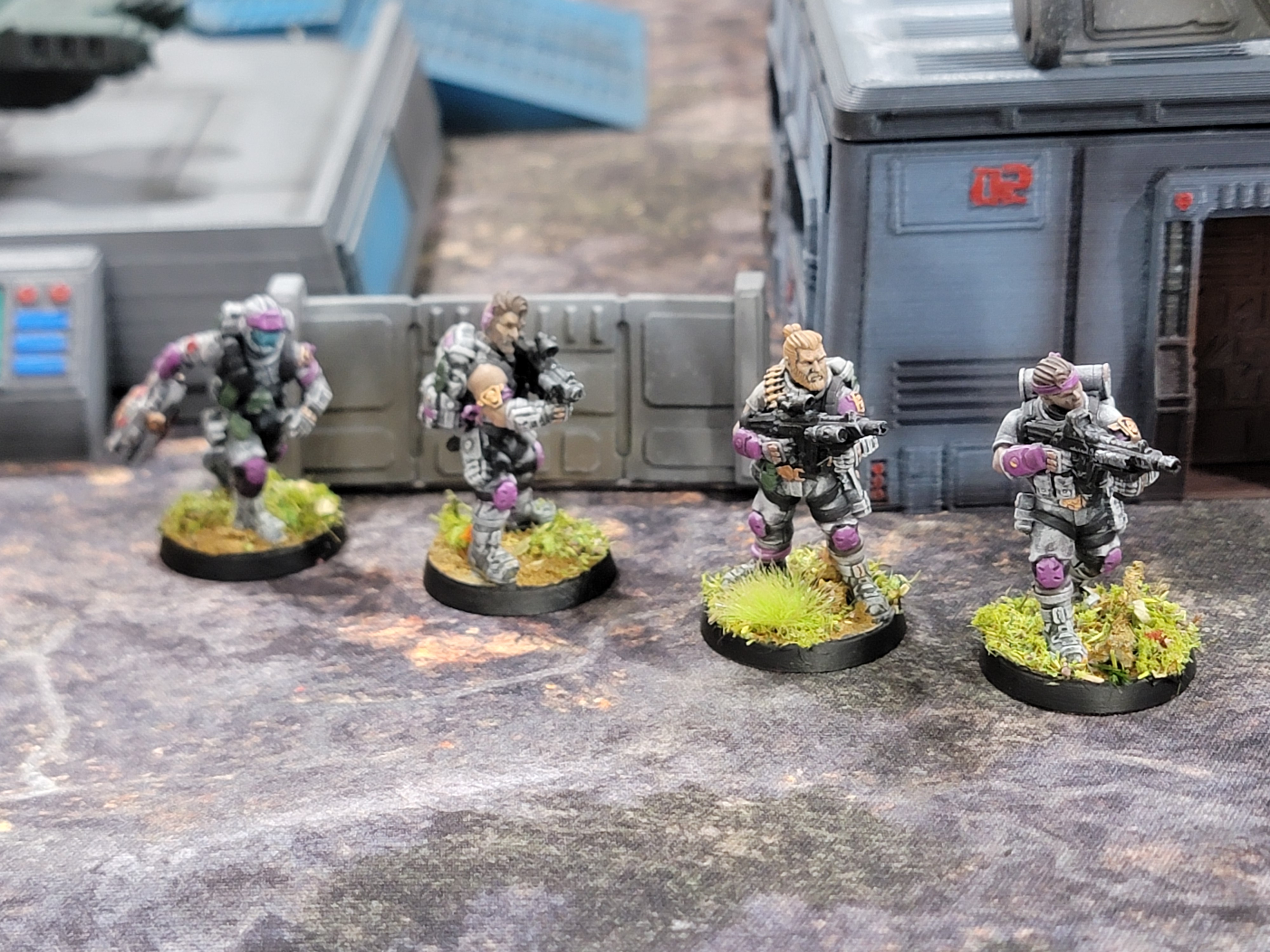
My shotgun bros are built to get in and blast an enemy down fast. In our test game, they did just that quite successfully; so much so my son wanted to stop playing until I told him how to counter them. He invested considerably more into his leaders, especially their survivability, and didn’t consider that would lead to me killing off the grunts with shotguns. Lesson learned for next time.
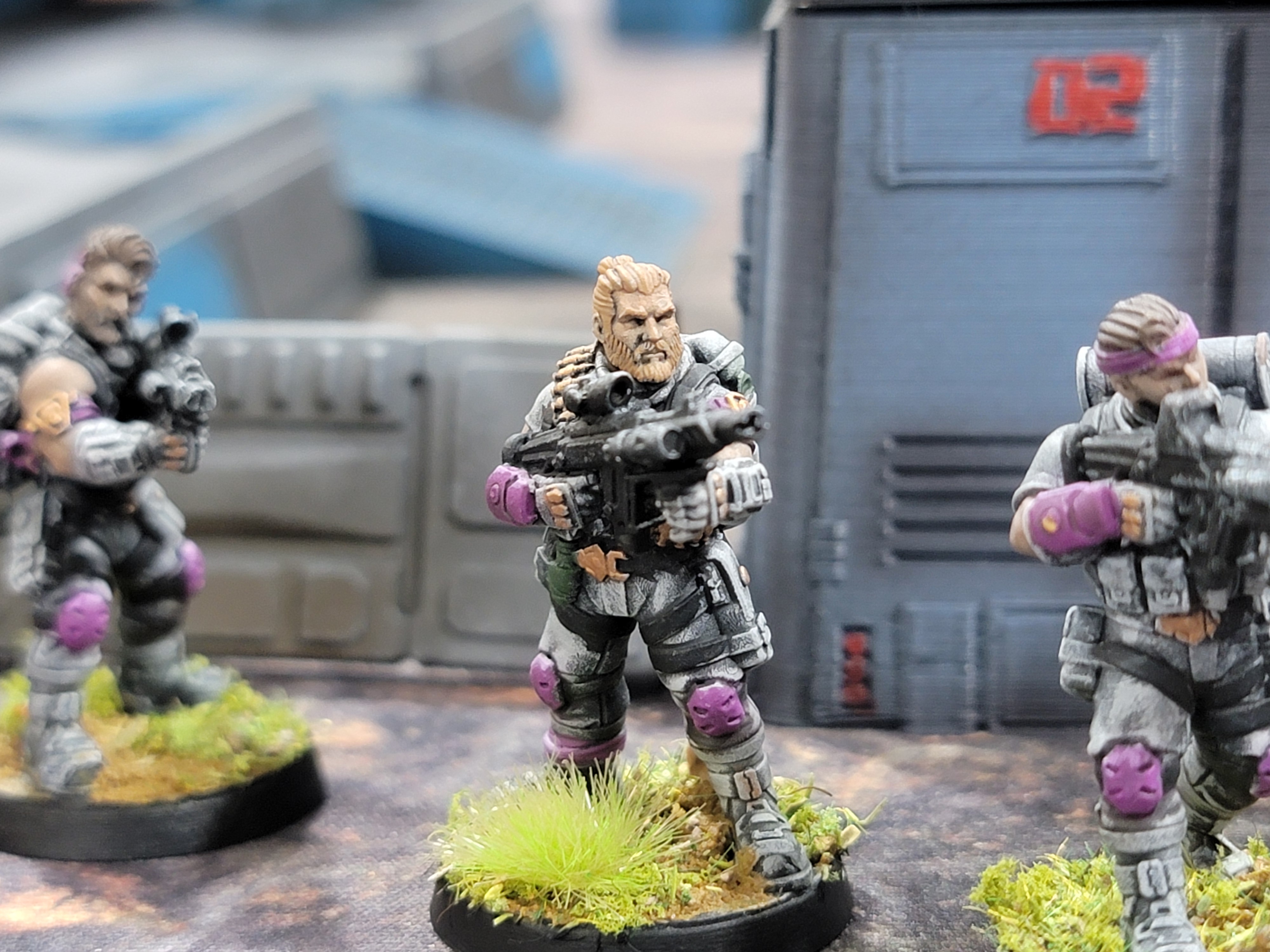
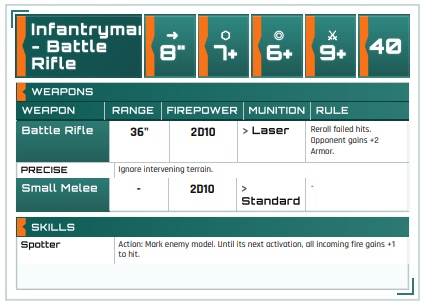
I realize now I didn’t use the Spotter rule on my Battle Rifles during the last game–that would have helped mitigate the challenges I was having in hitting his leaders. I’m almost glad to discover this. We missed a few opportunities in the last game but it shows me there’s room to chain together concepts into a strategy. Rad.
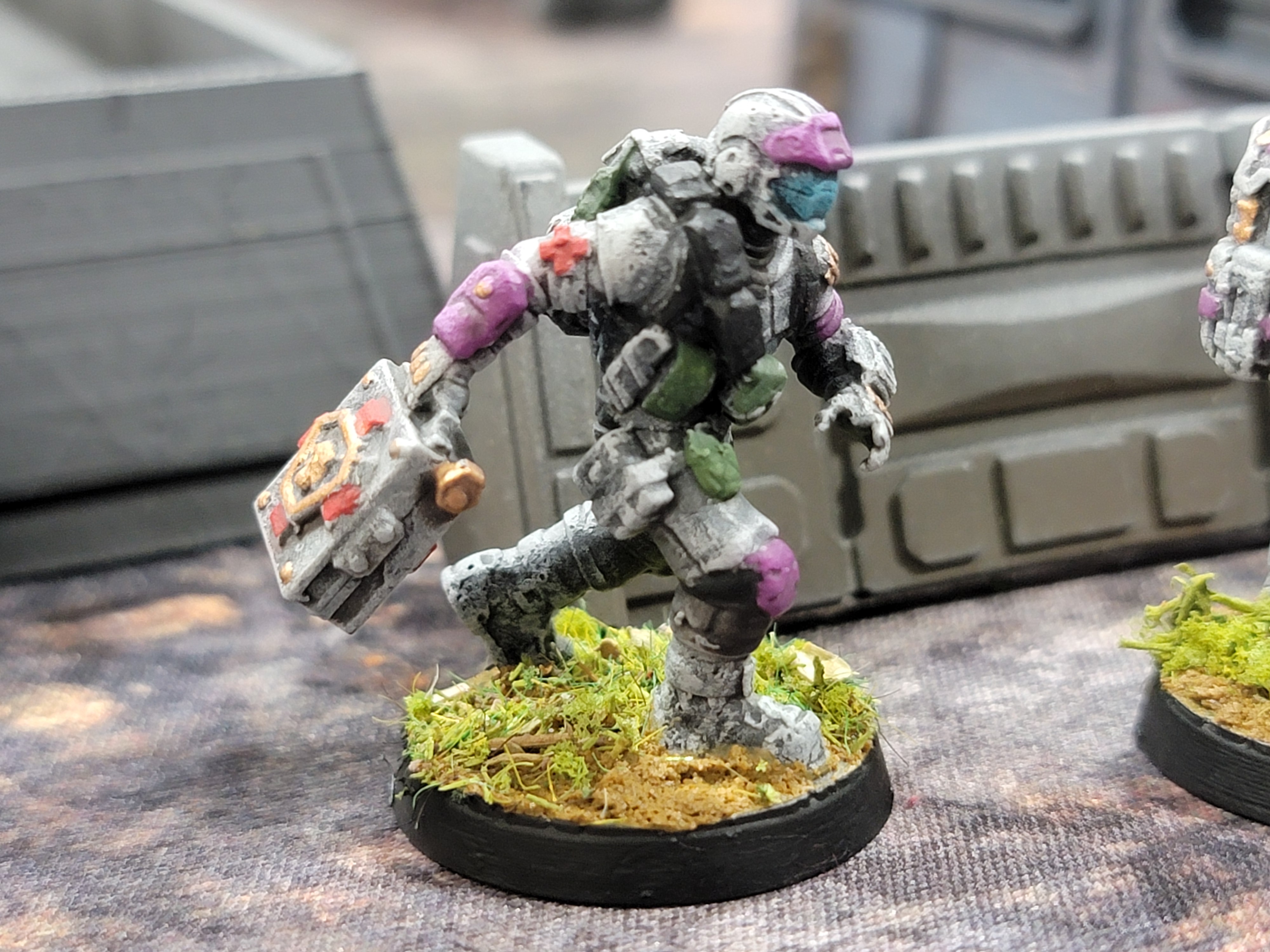
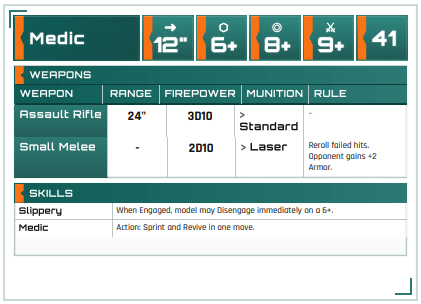
My medic saw some play! He successfully interdicted a dying unit and then ran off to score points on an objective. I originally gave him 12″ move so he could get to people quickly. I had not considered it would also make him the best candidate to throw smoke and run to the objective. Happy accident.
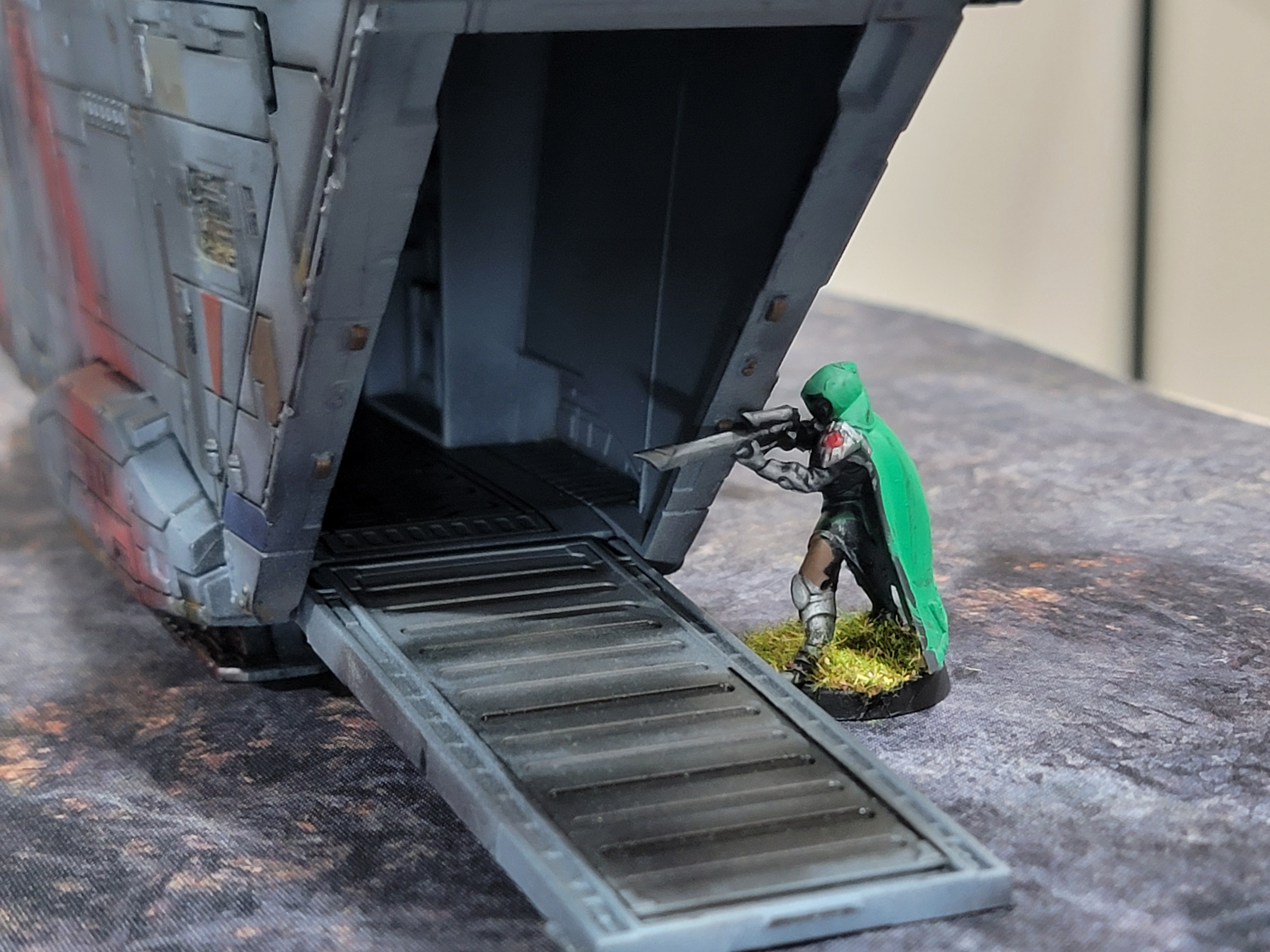
The game itself went well, though I won on points. My son eventually caught on to how he could better use his troops and hopefully learned that snipers… uh… don’t go up to the center of the board, no matter how cool it looks.
I might write up my observations so far for Thursday this week. Most of it revolves around the burden of building a points system. Right now the game seems pretty balanced if we’re not silly in our builds–but I didn’t exactly ban you from building a list with 30 or more models, which would absolutely break the game.
Here’s a link to the drive with the list builder and our army json files.
It should be pretty simple, I hope. You build your units and save them to your force. You build your vectors using the units built. You then print it all out and bring two vectors to a fight. Basically, you build your own army book. I’m back and forth on this idea. I could continue down the path of full customization, or I could use the formulas built and dictate factions. I like freedom but dictating factions will open up fun design space where I can give powerful abilities or think through faction capabilities. On the other hand, freedom allows players to truly bring what they want.
My other game, Desiderium (title not final), which I’m writing with a good friend, is already veering toward defined factions so we can give those factions special rules that help to really distinguish them. It’s also just easier from a balance perspective because you can build around a theme and ensure the themes work well against each other.
I’ve taken both of these games quite seriously–moreso than my norm, and I’m glad I have. I’ve learned a lot so far in the whys of design. Why do games tend to dictate unit sizes? Why do games tend to have defined factions? Why do we measure individual model movements in a large fantasy game? Why build a pinning system?
Yeah, there’s probably a “There” there. More to come.
Oh, what’s that? Describe the fantasy game? Where are the articles on the game I’ve been working on with a fellow professional game designer for several months? Uh… uh…
Here’s some music!
Surely, nothing from this will influence the lore of a faction in a game somewhere…



Leave a Reply