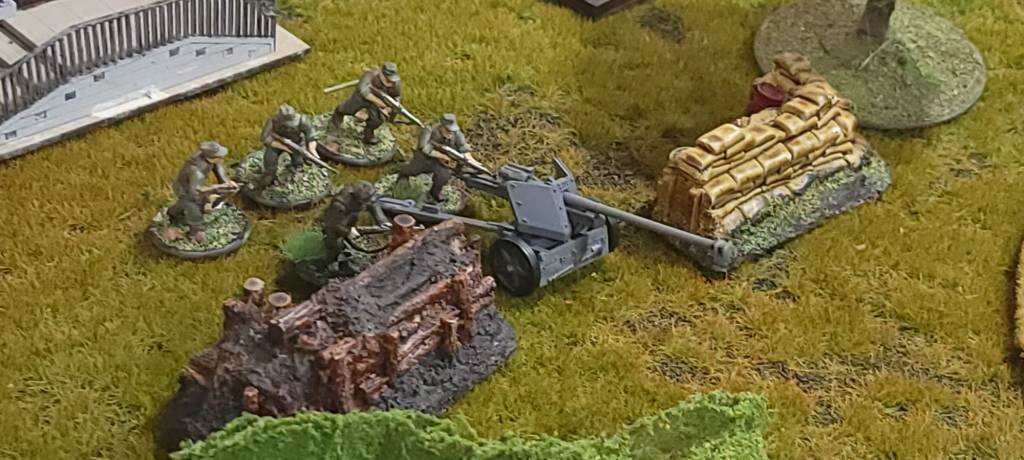
It hit me this morning that I’m three months out from my next Chain of Command event game (at Tentcon, our club’s yearly convention). In the past, I’ve done Big Chain of Command games—easy enough (okay, not really—scenario is super important here). One thing I’ve wanted to do for a long time is to produce multiple tables linked together, such that each player is dealing with only a single opponent but is still functioning alongside a team. Perhaps they send reinforcements, or their table affects the other tables.
The issue with this idea is that it’s really hard to piece together the right scenario without severely throwing off balance. Not to mention the narrative debt—why is one board affecting the other? What’s going on here?
My solution, or at least solution-in-progress, is to not worry about it so much.
Okay, what do I mean here? Well, really, I intend to just setup three boards with different objectives as if it were three separate games. To connect them, I’ll do a few things pre-game and setup rules for the tables helping each other. I’ve accepted that this means it may not be fair. One person playing faster and winning their board sooner will pressure the other boards. That’ll just be the way of it. It’s no different than one Big Chain of Command game in which everyone combats each other.
As for how to connect the tables, here are my thoughts:
1. Pre-game, each side convenes and discusses the objectives in front of them. They will assign player forces to each board in secret. This allows one side to pile on, or forces teams to adapt. Perhaps you’re stuck in a 2v1 situation—that’s doable. Hold on until help arrives.
2. Units can transit between tables by leaving their table and appearing on another during a turn end. Coordination is key here as turns end variably.
3. Your side wins and loses based on victory points, so the degree to which you win or lose matters. You could intentionally setup a strategy in which one side loses a board on purpose but commits just enough to slow the enemy and surrender less victory points on that table.
Overall, I like this initial concept. There’s more to work out, like how support should come on (should it follow you to your new board if you switch tables, or should it be committed to specific fights?). The core here is good. It forces interesting company level decision making about where to assign assets and then makes the players deal with those decisions.
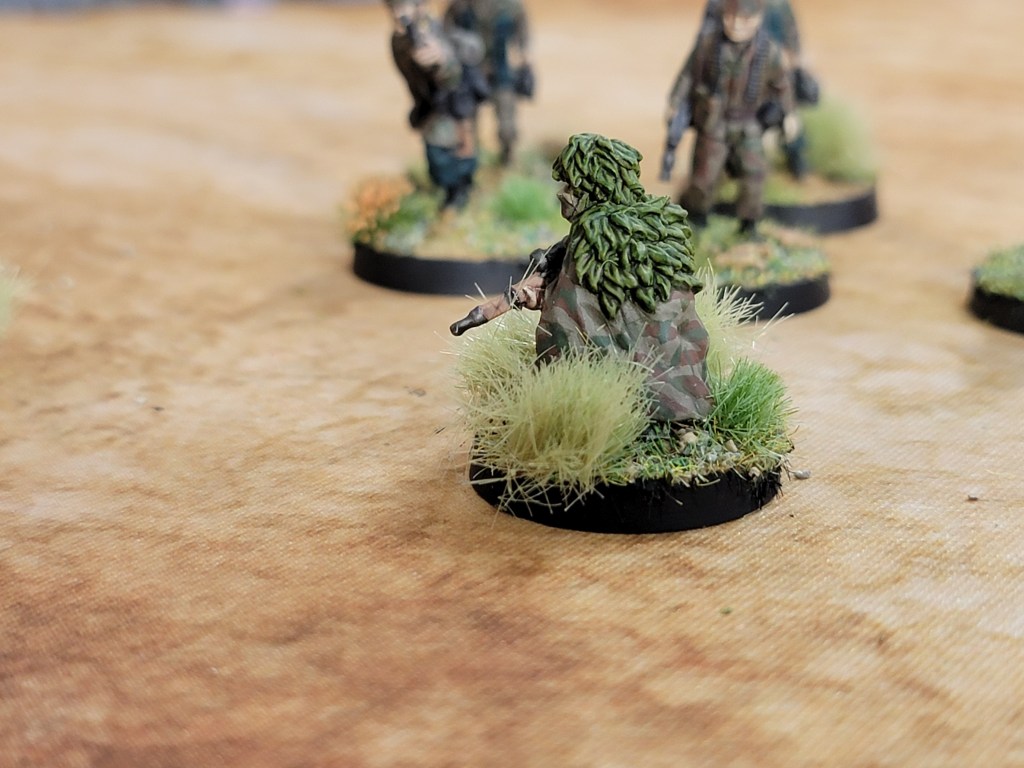
The issue comes with new players. I have several new players in the group who would end up being “Weak points” for their respective sides, which is painful. They wouldn’t know the tactics well enough to hold a table on their own. I don’t exactly have a solution for this as it’s an essential problem no matter how I slice this. As an event game, I’d like it to be more than just plain ol’ 1v1 battles. We do that already.
I could maybe give them some form of handicap, or I could perhaps designate team captains who can advise the newbies or at least build a plan that accounts for them. After all, in real war you have to account for the variable skill of your men.
With the event three months away, it would be tempting to think I have plenty of time, but as I’ve recently seen with organizing a The Silver Bayonet league, it’s not always so quick and simple. I’m hoping to have the proper plan set within the next two weeks so I can go on to address any needed terrain pieces.
One thing I will very likely do is permit each table to be a different theater. This limits the believability but maximizes variety. Players will bring whatever armies they bring, so we’ll likely be off the real world path anyway. For settings, I’m hoping to field the following:
1) Eastern Europe/Russian border [Needs to be produced]
a. Alternate: China board, which is a comparatively huge project
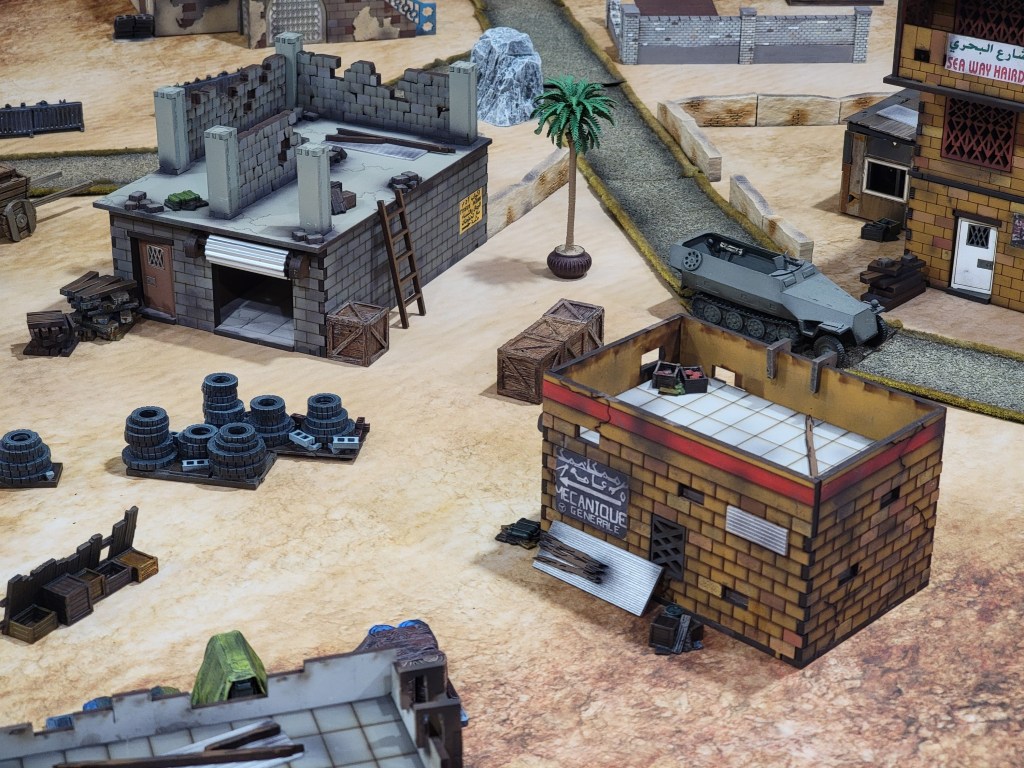
2) North Africa [Needs additional greenery]
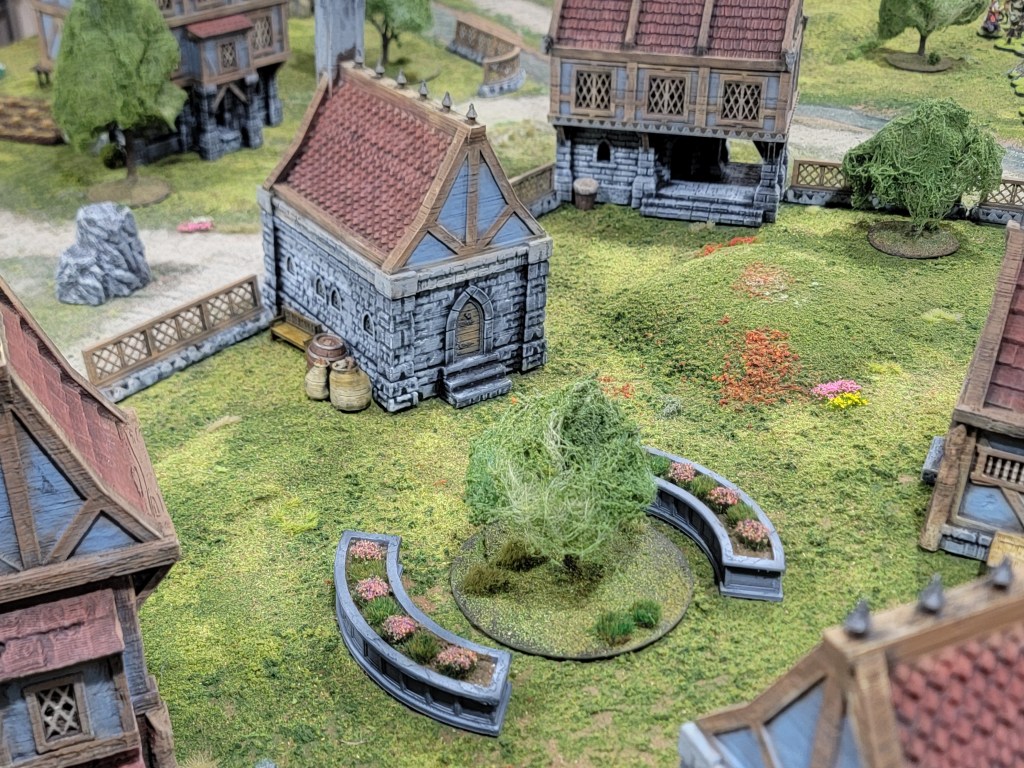
3) Europe Standard [done, but could stand for a nicer bridge]
With my Battletech stuff nearly done I should be able to shift focus in April toward World War II scenery. We’ll see, I suppose. I’d love to take a week off and just pound out a great board, but lately all my projects have ballooned such that they never fit my initially envisioned timelines. If I’m playing it safe, I’ll make the Russian border board as that only requires the buildings, which are graciously fairly simple to print and paint. If I decide to go forward with China, that’s a huge project, but one I have a lot of passion for. It’s… a debate, I suppose.
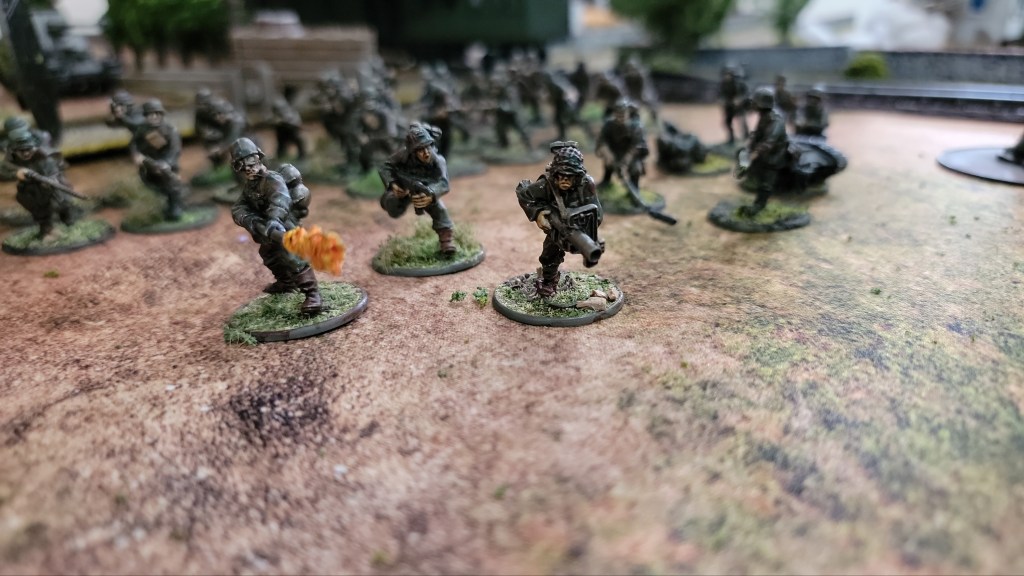
We’ll see where I land, per usual. My players will be happy with whatever I put out, but given that this is our club convention, I’d prefer to have something truly impressive to display. There’s always this inherent desire to impress. I want my boards to be a highlight—the kind of thing that makes people wish they played historicals instead. It’s silly, but I’ll take motivation where I can find it.
All that said, I’ll take bets on whether I even paint more World War II stuff for this event. It’s just as likely I do this as it is that I start painting something crazy, like Rumbleslam, the game of over-the-top silly wrestling combat that I’m totally not eying.
Not at all. I haven’t looked up every cat-person in the game and put them into a cart. Nope. Nor have I debated how best to produce a ring. Or even how little space it’d take.
Of course not.

 Small Scale Victory
Leave a reply to Pete S/ SP Cancel reply