Oh man, what a dumb topic. I still haven’t painted anything, so now we’re just reaching for topics. As I sit here thinking about what to write, the main question hanging over my hobby wargaming head is a little odd: in a world of dragons and magic what makes you run from battle?
I ask this question because of the ongoing development of a large warband sized fantasy game. Somehow, both myself and my partner, Paul Bussard, have yet to lose interest in this concept. If I had to summarize the objective of our design, I’d say it’s the following:
- Build-your-own-army fantasy game; setting agnostic
- Enough complexity to model a world in which armies can be distinct but not artificially so
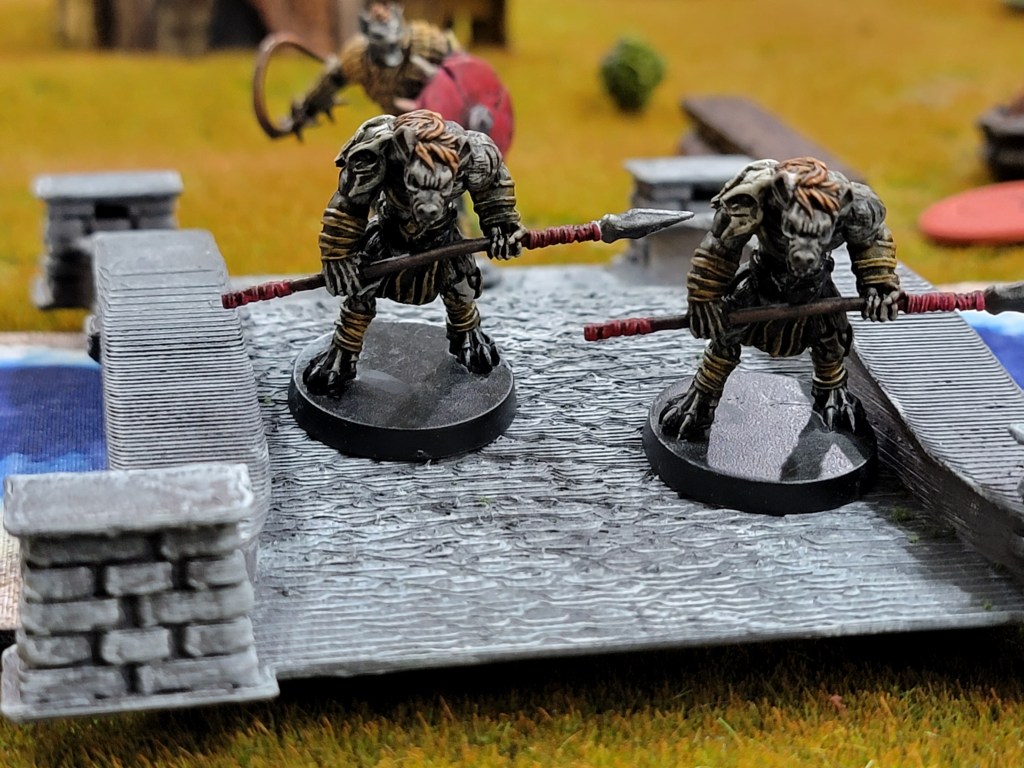
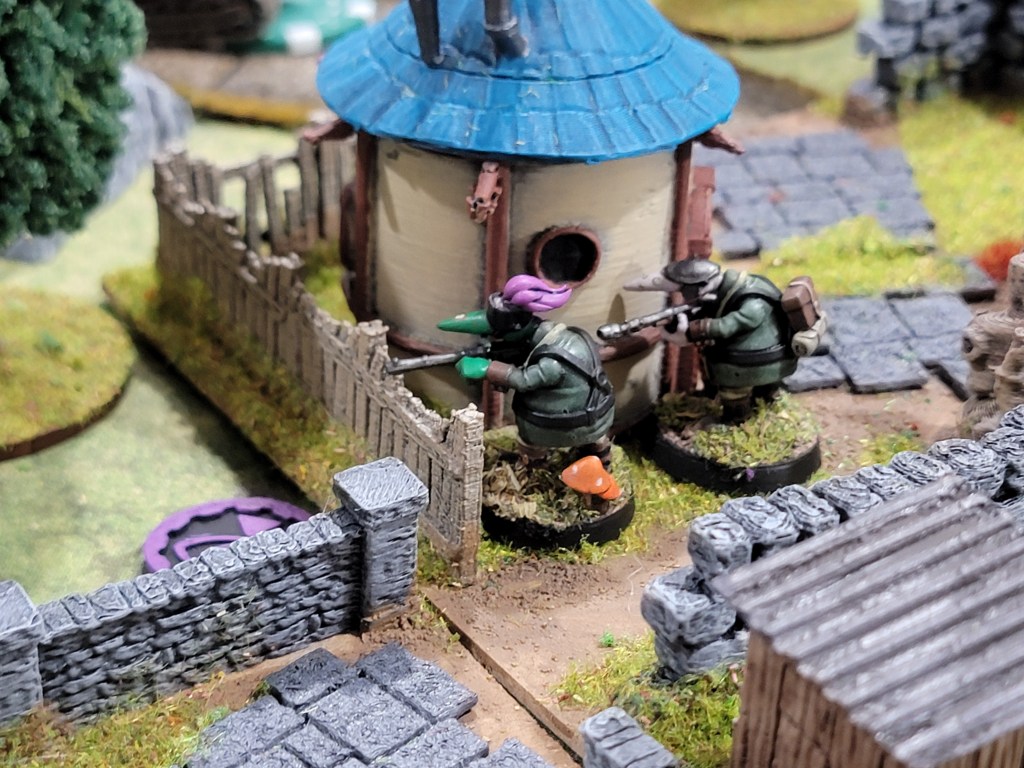
So goblins are goblins, which is to say they are really just small scared humans. Does that really make a difference? Would goblin light infantry be employed differently from human light infantry? If yes, how? The game should enable the expression of that difference. Let’s look at goblins riding wolves. They move about faster than mounted humans but they’re more cowardly and will disengage from battle if pressed. Okay, cool–so the game needs a way of modeling that lack of commitment.
Ah, we’ll call it “Conviction!” This is where I reveal I’m leading the witness and already thought some of this through. So back to the question: what makes you run away in a fantasy setting? When does your force’s will to fight break? Chain of Command is my classic go-to for this idea. Its morale system is great, with bad things occurring in the game slowly whittling away your morale clock. Lose a leader? That’s a morale check. Lose a jump-off point? That’s a morale check. Lose a–you get the idea.
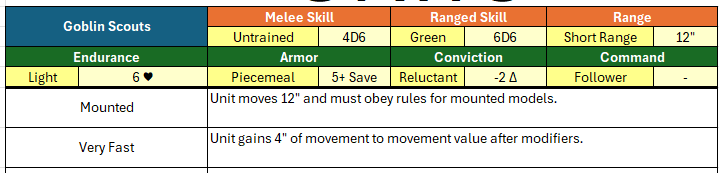
We’ve accounted for how long a unit will stay in a melee–that’s what Conviction will do. A “reluctant” unit will flee a melee when it rolls two less successes than the opposing unit. Combine that with a low combat value (4D6) and this unit is likely to flee from most melees. I clearly built them to run in, capture an advanced objective, and maybe harass some enemies from a range. Contrast them against my human vanguard:

These guys will stick around in combat for quite a while, so you can rely on them to put up a fight and do real damage. High conviction and melee skill delivers a very different unit with a different purpose. This is a force that moves forward to capture a position, then actually tries to hold it while reinforcements arrive. Great–two armies filling the same role but doing so in a different manner. So far, so good.
But what about will to fight? What stops us from fighting to the last man? Many games answer this very plainly: just put a time limit on the battle. Five turns, then drop your swords. It’s a functional solution but one I’ve never enjoyed. I want a system that that gets at the answer of as to why your force lost. What made them run?
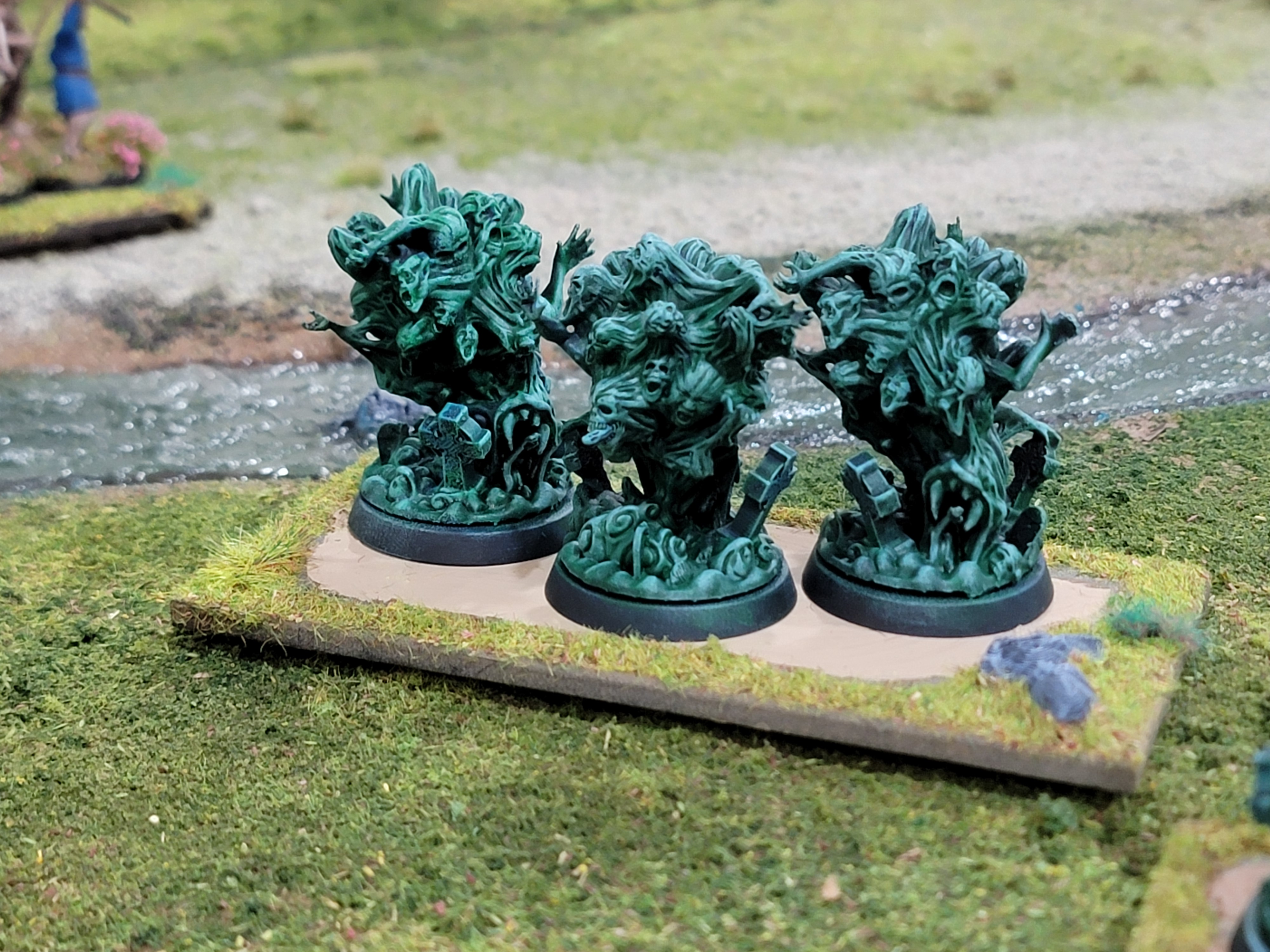
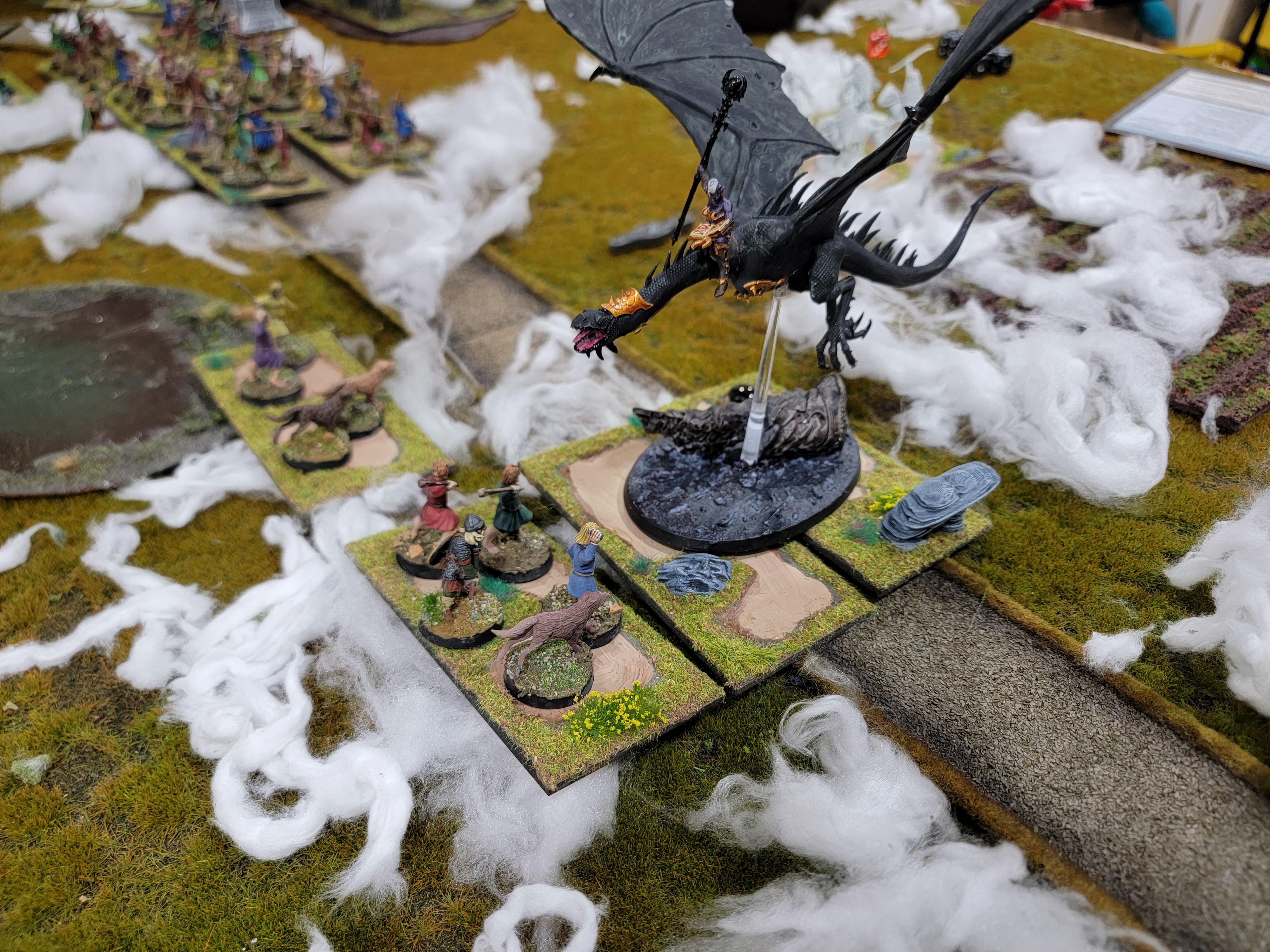
Morale. It’s always morale. For as long as war has been a thing it’s been morale. That isn’t different in a fantasy setting–but as I mull it over here, I wonder if it might in fact be another opportunity for differentiation. Would, for instance, an army of undead be more willing to fight the last? Would a dragon be more likely to scare off an opponent’s army? Would you be able to shrug off fantastic monsters because… well, you live in a world of them?
I believe armies would break, quite simply, when they believe they’ve lost. I think there’s room for play with armies having special rules that help move their or their opponent’s break points. I want a system that provides a robust underlying structure that allows us to play in that design space. So, here’s the sketch of my first proposal:
- Add up conviction levels across your force to get a total number
- Each time you lose a unit or leader, draw a token penalizing you a random number of points (1-3?)
- Objectives cause your opponent to draw more tokens as you wear down their will to fight
- Down the line, an army rules system will permit armies to modify the above
I worry about bloat and while I’m attached to the idea of an army rules system, I can see it might be a bridge too far, even now. We’ll forget that for the moment. The rest of the system I like. There are two dimensions by which your will to fight is shaped: your conviction and your sheer quantity. I like this because you don’t have to think about either of those things after you’ve built your army, making in-game tracking relatively light and breezy. Draw tokens, note when you’ve broken.
I dislike it because there’s a pretty hard balance to strike there. Right away, I can see the math doesn’t work. You’re penalized for bringing goblins with low conviction. Draw high values and you break really fast. That’s a no-go to me.
Okay, simpler, then: you lose the conviction level of the unit. Combined with losses from objectives, you eventually break due to the combined weight of falling behind on objectives and falling behind on unit losses. Alternatively, you might find it worthwhile to lose a unit because it means you hold an objective and cause your opponent to lose valuable will to fight. Better. We’re almost there. It needs… a hook?
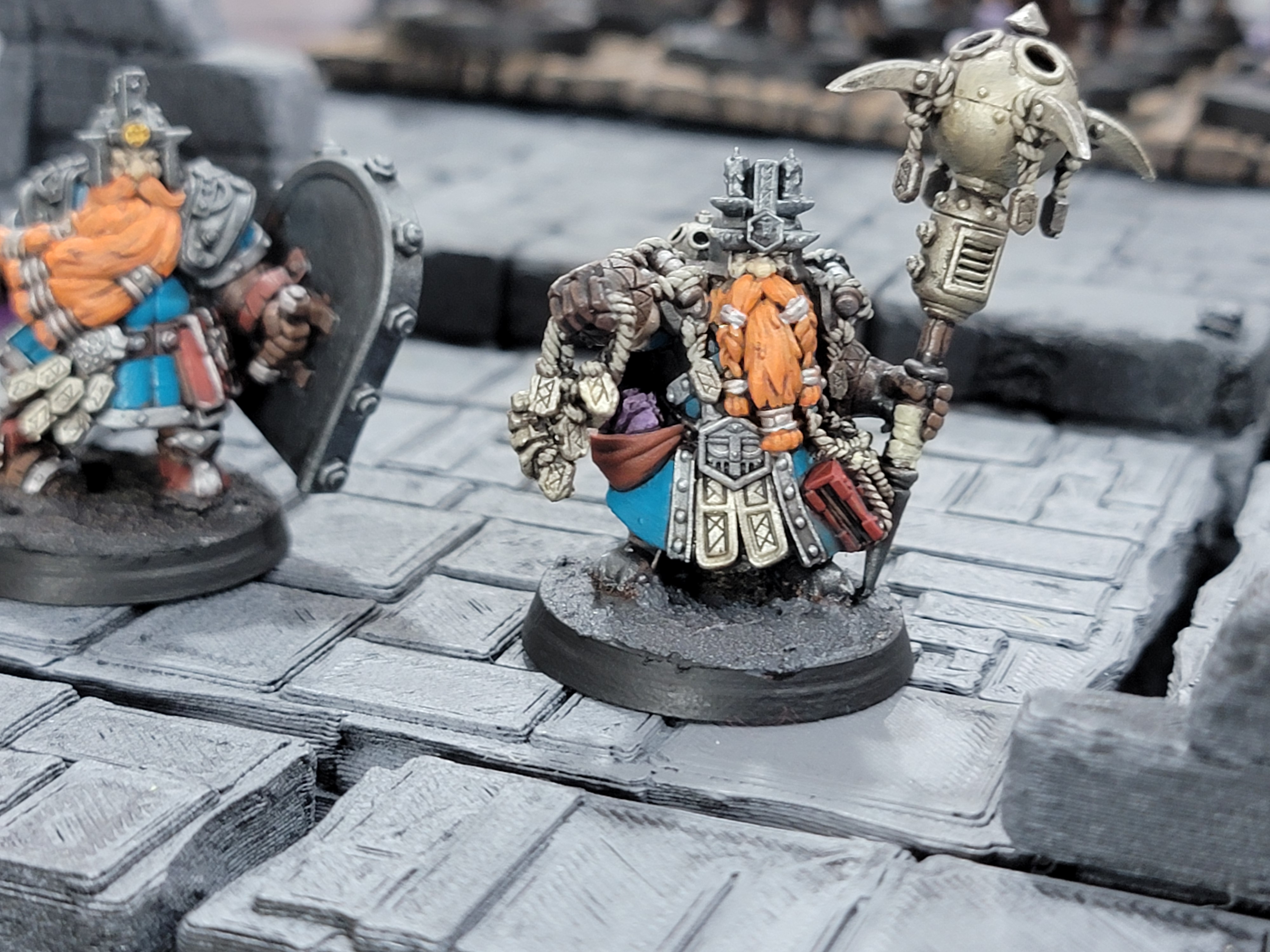
I suppose I don’t have to solve it today. It’s a start. As we play the game we should hopefully see where the value really exists in the system and that will elucidate a better concept. On some level I know I’m worried about being unique–but at the end of the day that really isn’t the point. The best game designers steal and iterate. The system I settled on here is plainly inspired by Midgard, with the previous system proposed being inspired by Chain of Command. This wasn’t even intentional–those are just good systems and it’s hard to escape them.
But therein lay the fun: it’s enjoyable to meditate on these things and continually revisit them. I like my first proposal for the notion that maybe we can link army size and unit conviction to make for a more resilient force. I suspect there’s a “there” there and I’ll keep seeking it.
Also, you know, Paul gets a vote.
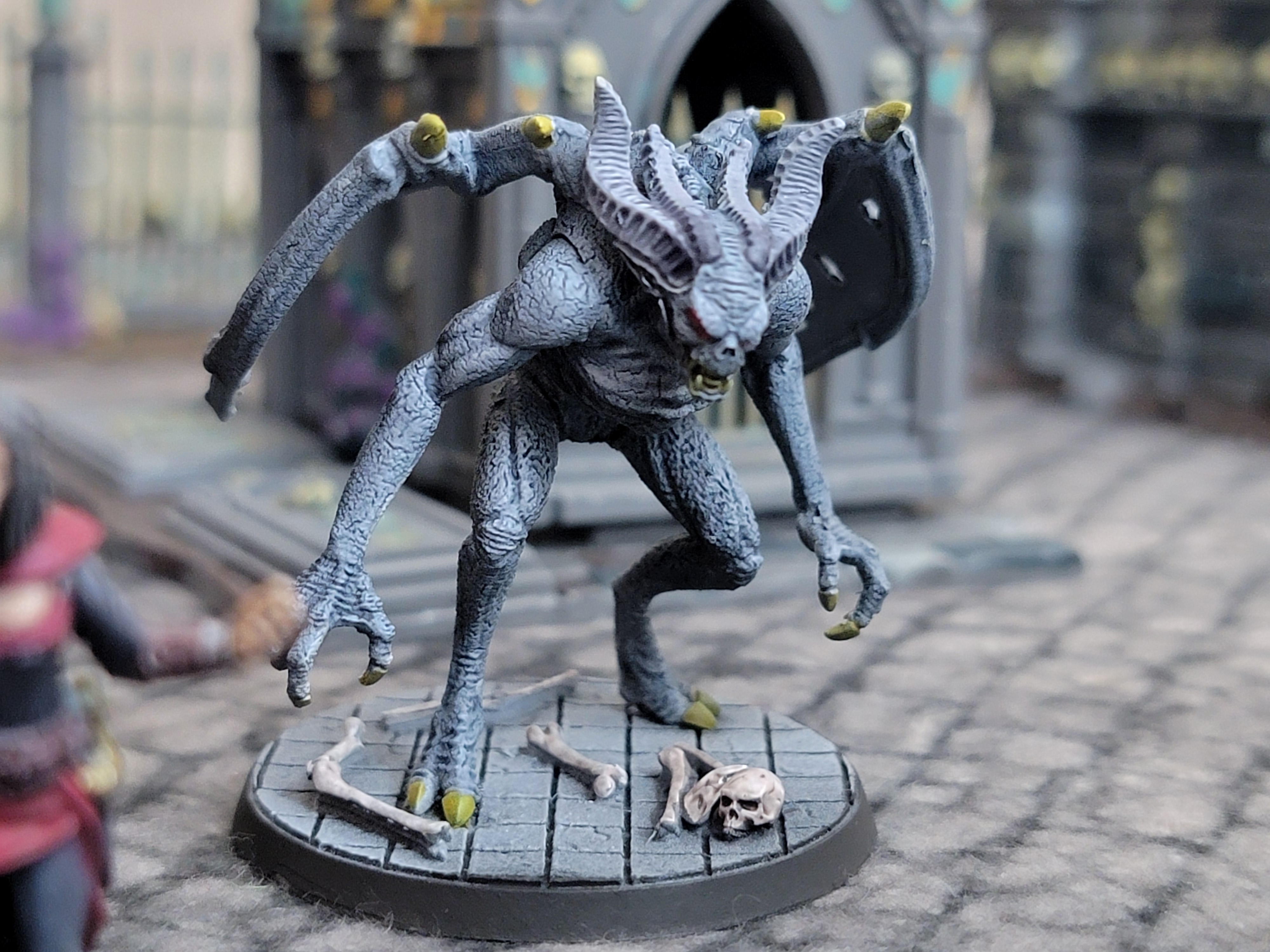
I guess.

![[Tentcon Preview] Blades of Woe: An Elder Scrolls Adventure](https://smallscalevictory.com/wp-content/uploads/2026/03/20250810_135109.jpg?w=1024)
 Small Scale Victory
Leave a comment