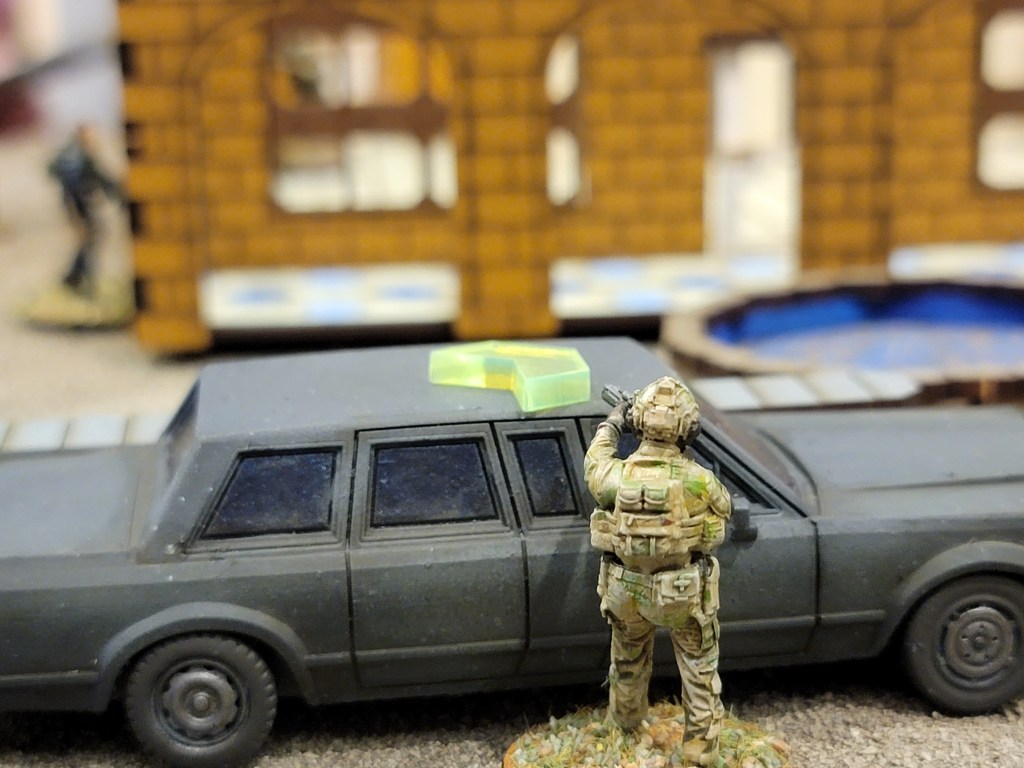
Please note: I now have a review of InCountry, but Google seems to like this page more. Here’s the link: InCountry: Recon Review
Days three and four for me were InCountry: Recon days. I was originally slated for the Warhammer 30k: Excruciatus event, but I stayed out late Friday night and the event was at 8:30. I regret missing it, but it was perhaps foolish of me to schedule an all-day event on Saturday. Next year I’ll try to leave myself a proper day to explore on purpose.
I did get to demo a few games this day, but none particularly grabbed me. Black Powder: Red Earth had the most awful demo I’ve ever experienced and completely put me off the system. I don’t want to get overly negative, so I’ll leave it at this: I am now deeply uncomfortable with this system and its creator.
The other games I looked into aren’t especially worth writing about and I did a poor job of recording them. For the most part, the systems were overpriced, not especially unique, and failed to deliver good elevator pitches. I recall asking a miniatures agnostic game to sell me on their system without mentioning the fact that they’re miniature agnostic (it’s just not unique anymore). He immediately told me I could bring any army I wanted.
Before getting into my impressions, I want to clarify something about InCountry that’s very confusing: the number of rulesets.
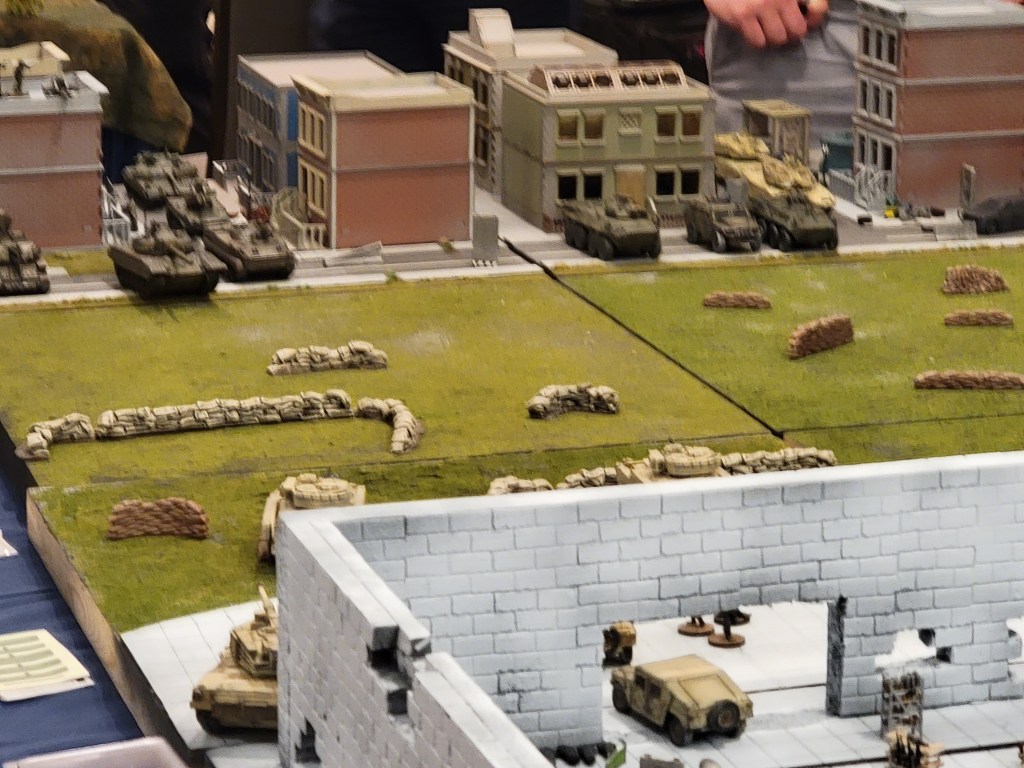
InCountry: Core is the base ruleset and is billed as a “Narrative” ruleset. It includes rules for tons of bells and whistles (vehicles, intel, etc.) and I have no interest in it. The event run specifically for InCountry:Core was… not great at showing off the system. It was a ton of tanks firing at each other in front of the not-Washington monument. It was a scenario that played poorly, would not happen at that engagement range, and failed to represent the system.
It looked cool as heck, though.
InCountry: Recon is their “Tournament” ruleset. It’s simpler, has a faster and more interesting combat system, and is abstracted so you aren’t playing specific forces. You play a Tier 1, 2, or 3 team or one of several proxy teams. The end result is any miniatures work and you don’t have to grapple with the issues of finding a real “Setting” for your game. It’s Counter-Strike on a small board, it’s fun, and it’s free.
I give a lot of credit to the showrunners that they made amazing boards to play on and every model looked fantastic. They also pivoted the narrative event to start with InCountry: Recon games and I think that was wise—having read both rulesets, Recon appears to be tighter and better constructed. More on that in a review later in the month or early next month.
They did a good job of having those scenarios affect the final battle. This was similar to what was done for Frostgrave, and once again I think it’s a great one-day narrative framework. I’d like to do similar for my club, but keep it all within InCountry: Recon. No need for awkward alternating tank slugfests.
Impressions: InCountry: Recon
Right, okay, onto the hopefully positives: impressions on InCountry:Recon.
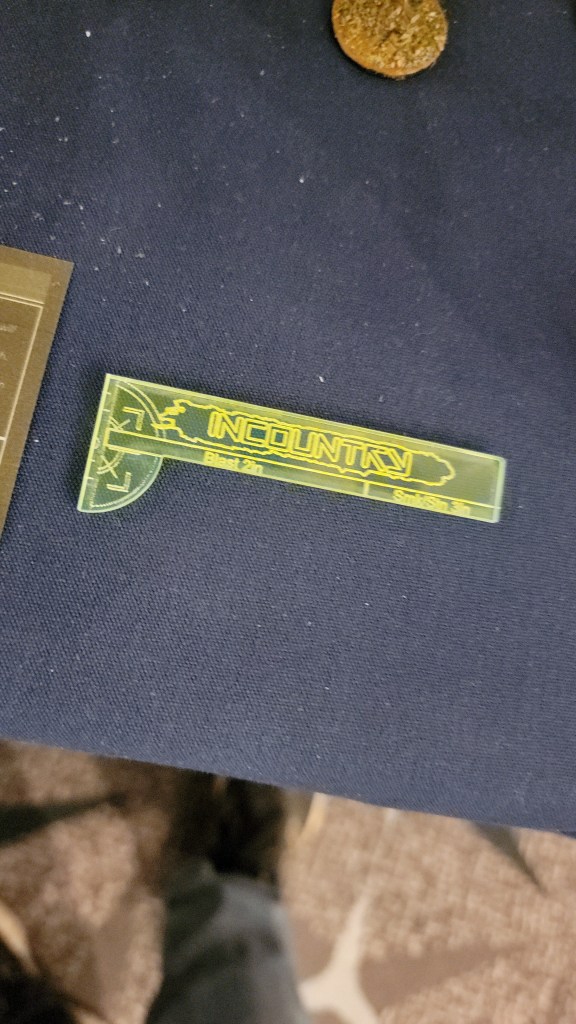
At the front I’ll say it: we were taught the rules incorrectly. The core of the game was taught correctly, but the people guiding the event had not read the most recent variant of the InCountry: Recon rules and taught us various small things wrong. I went on to teach these mistakes to others. I’m genuinely sorry to anyone on the receiving end my training—I should have read the rules and I would have immediately realized how much they were getting wrong.
That aside, the core of the rules was taught correctly and… it was quite interesting. In short:
1. You alternate activating teams of models who each get two actions. Teams are generally four models, and at the size we played you get two teams. So you control half your force at a time and alternate with your opponent.
2. You can Ready (360 degree overwatch), then fire without losing the Ready status. Models are almost always Readied once they’re in position.
3. Ready allows a model to shoot at any enemy that completes their first action and ends it in LOS. That model then gets to choose to fire back at the Readied model with their second action, playing out both shots simultaneously. When this happens, you enter a conflict and roll dice against each other. Whoever gets more “Hits” rolls damage first. If you wound the other model, that model doesn’t get to roll damage—you won the conflict. If both models have an equal number of “Hits” they both roll to wound.
Got all that? There’s more to the system, but it’s relatively simple and those are the salient points. The aim of the system is to be quick, lethal, and tactical. Mission accomplished in my mind.
I have, since this event, gone over the ruleset and fixed it in my mind. It’s a confusing ruleset to read, despite being quite simple. I may type up an FAQ at some point to help people along. The true ruleset is, in fact, better than what was taught to us at the event, so I’m currently pleased. At first blush—it’s free, fast, simple, and fun. Grab some minis and test it out. It lacks serious depth and is NOT a main game, but as a side piece excuse to play 1 hour tactical battles on a 2×2 board, it’s fantastic. I plan to run some learning events later this month and will update my opinion with a proper review. There are gaps in the rules for sure, but again, they’re free and fun as-is.
Now, I had a lot of fun in my learner games. The events went from “Tournaments” to “Recon Learnament.” The event runners gave out prizes like candy and I had some intense, fun matches. Every match I played was great and I walked away super inspired to make my own boards with buildings you can enter and properly interact with.
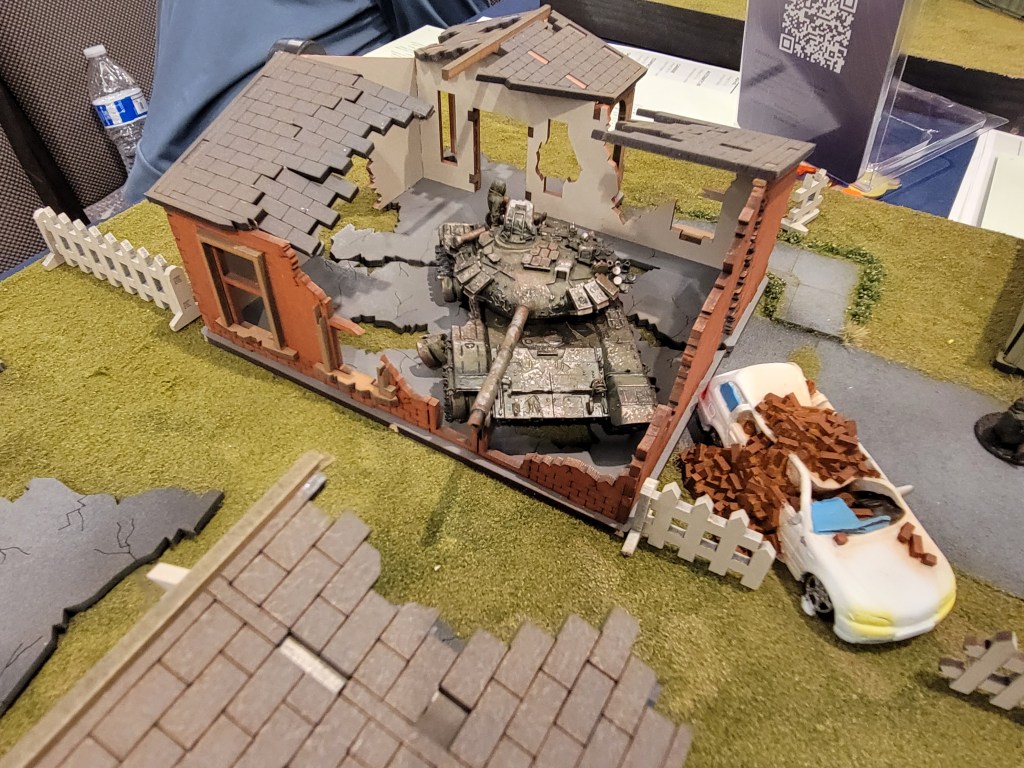
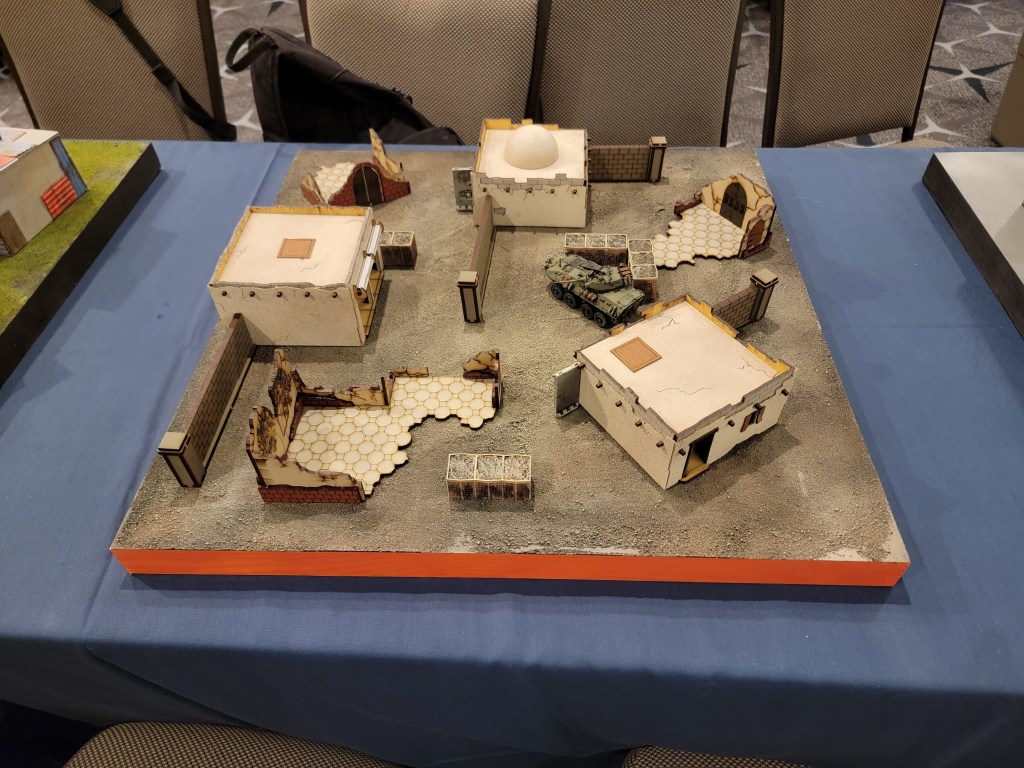
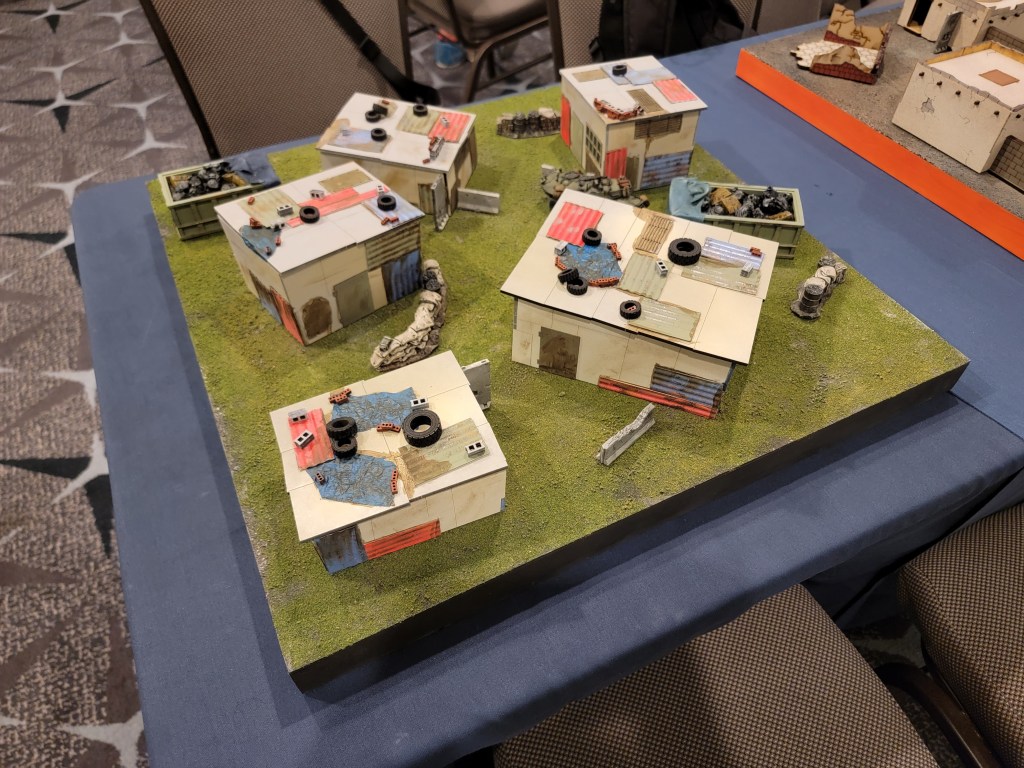
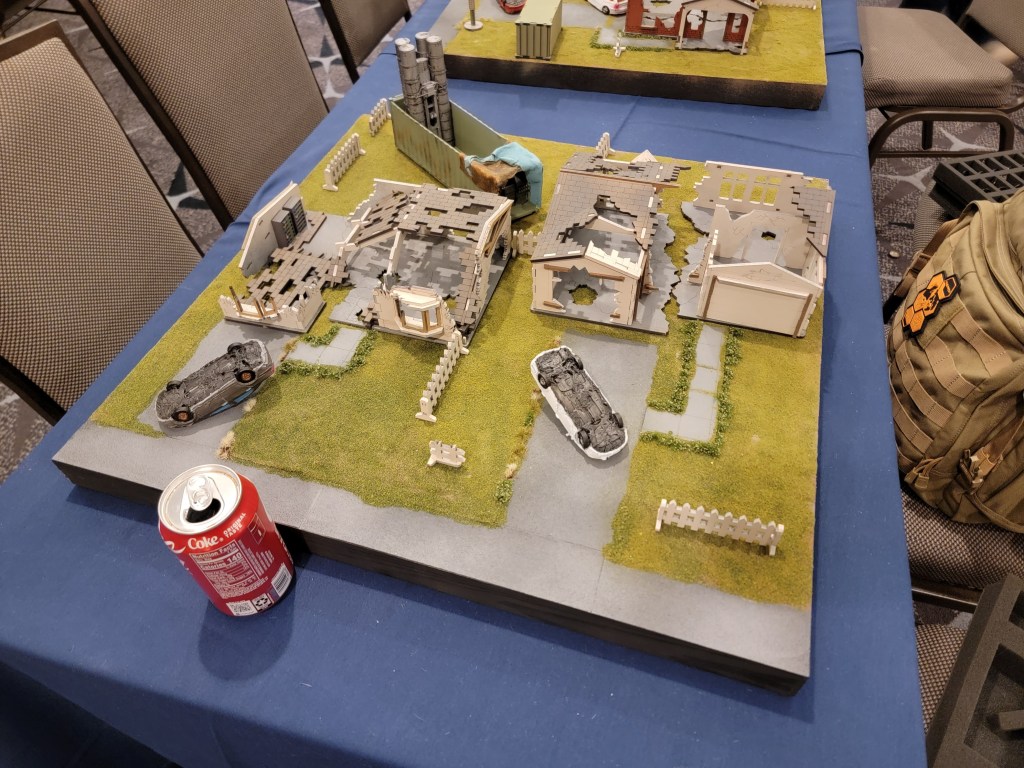
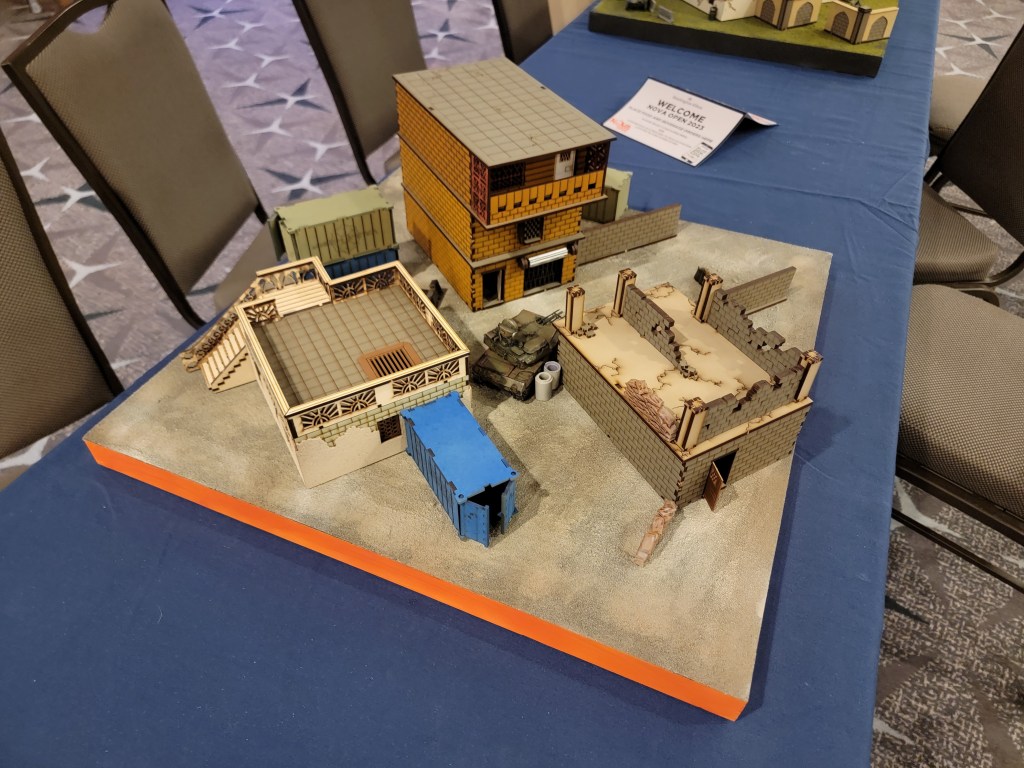
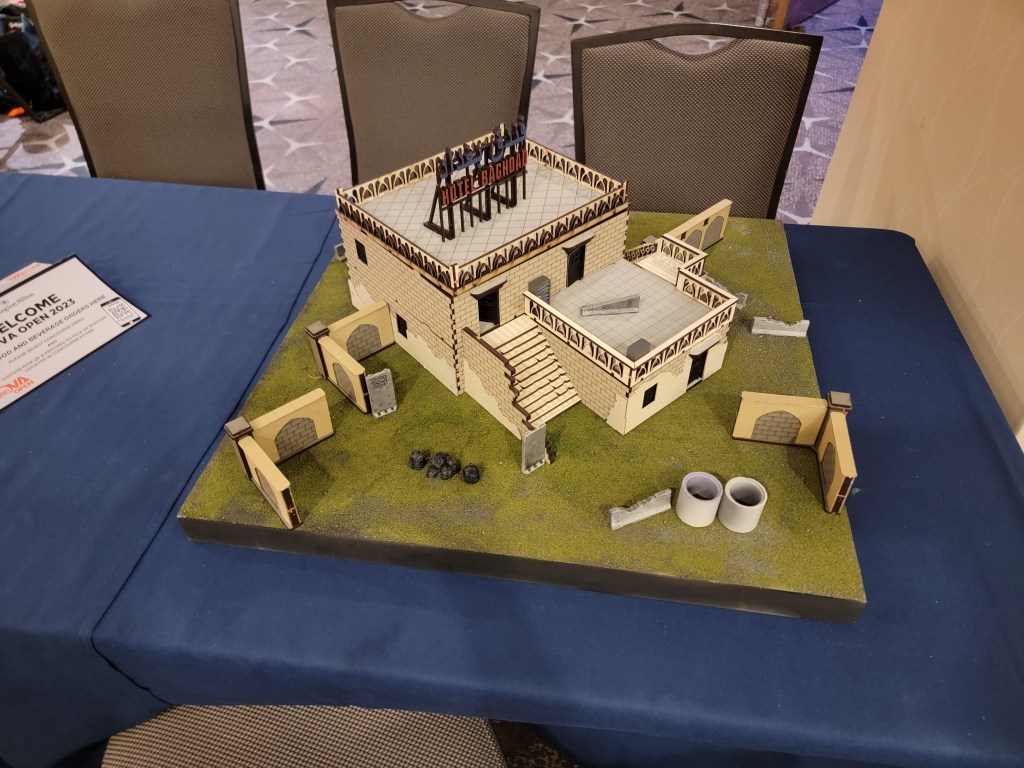
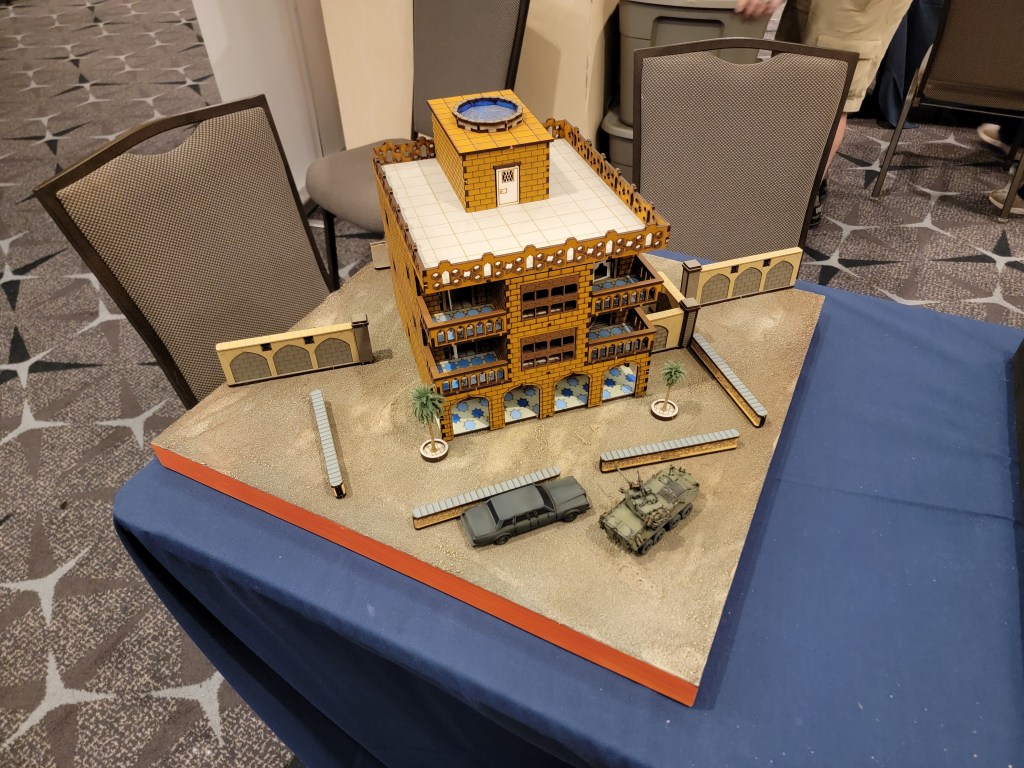
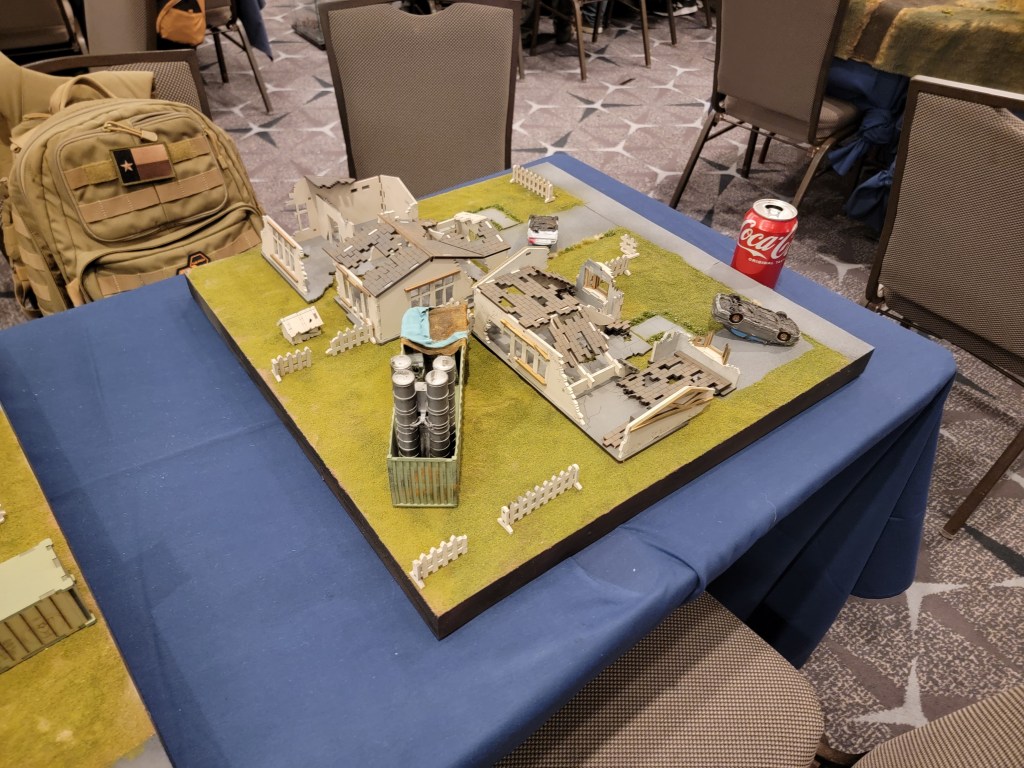
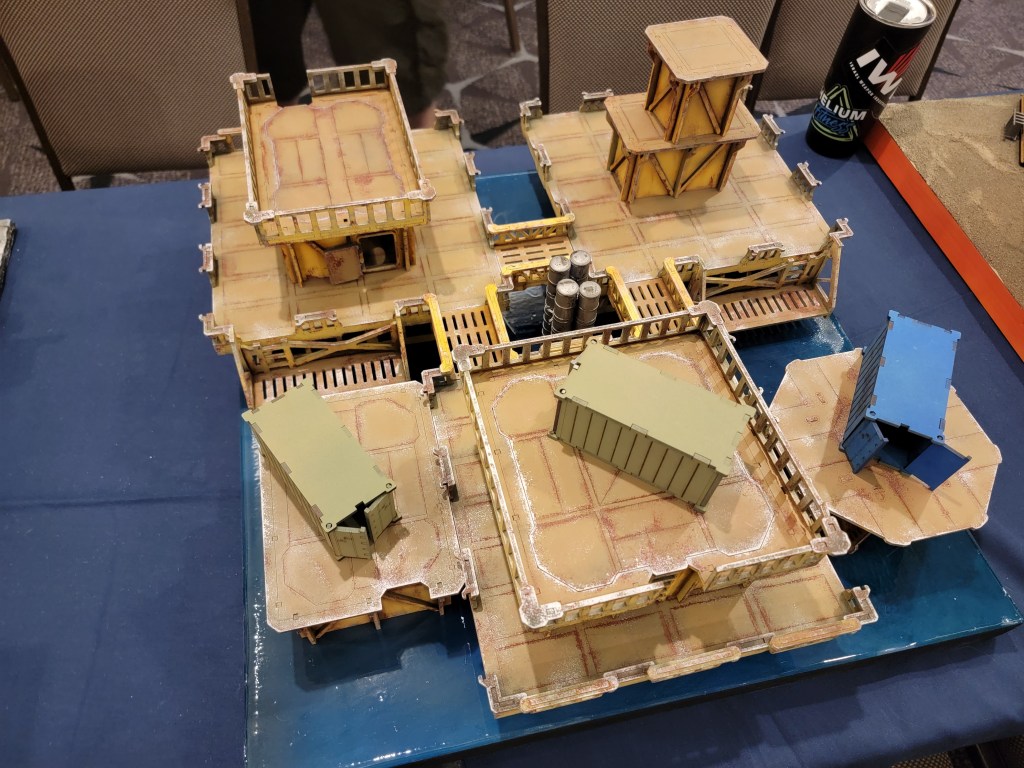
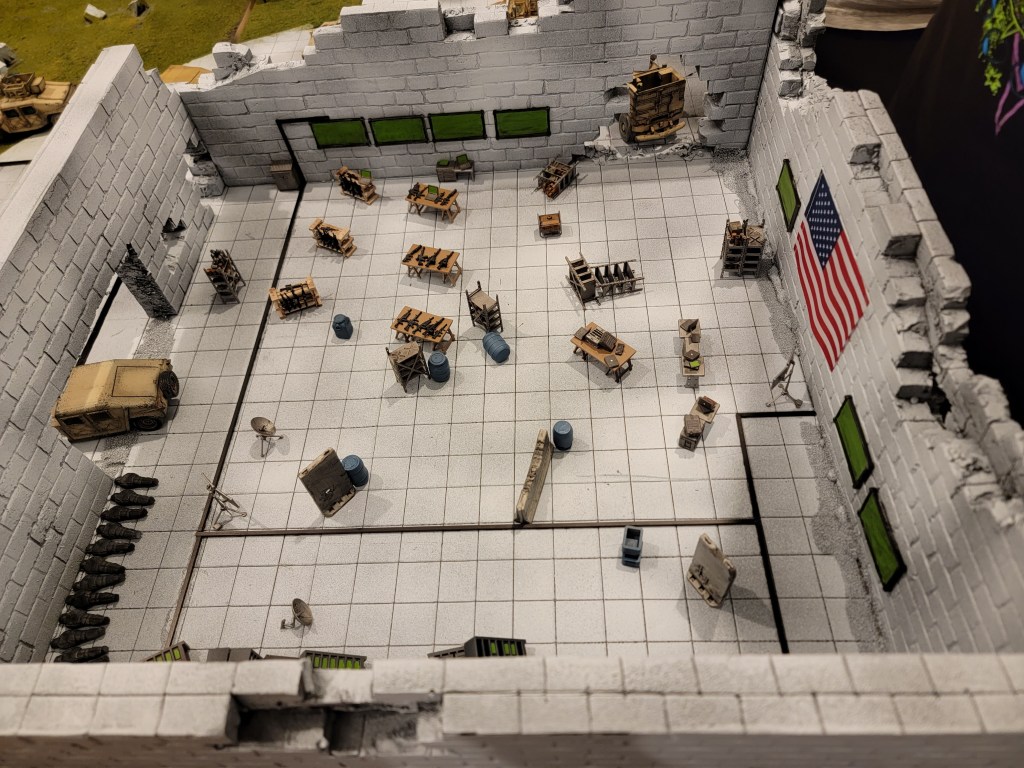
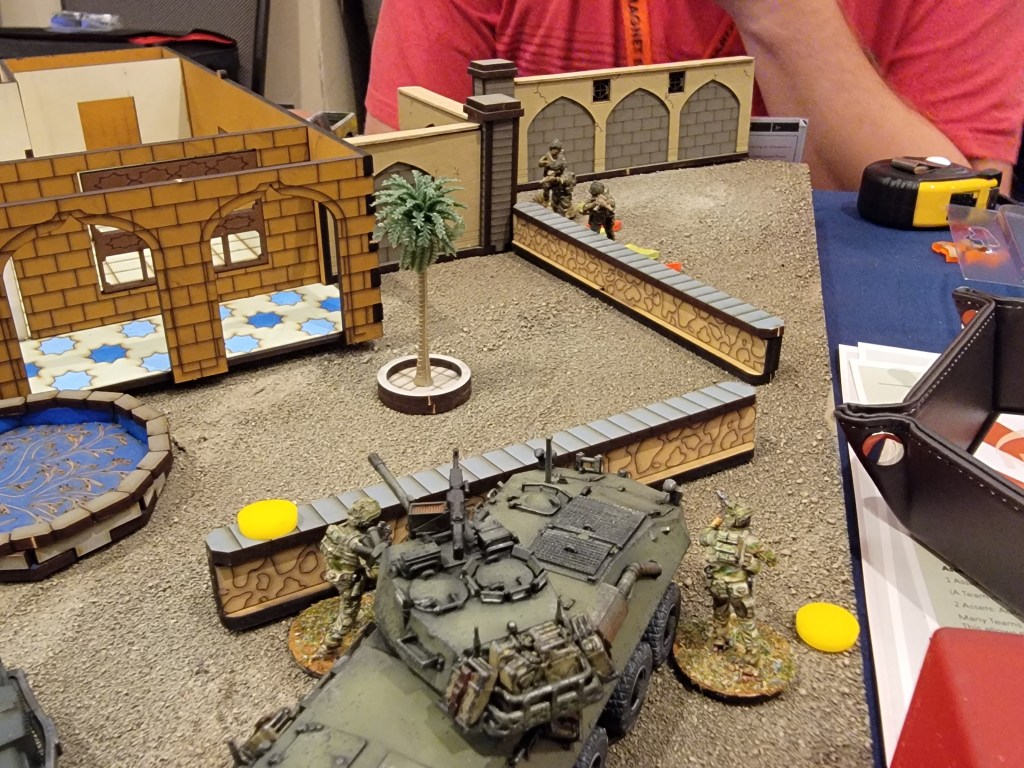
The boards! My God—I’ll spam photos at the end, but they NAILED terrain. I own two 3D printers and still want to buy some of the Blacksite Studio MDF buildings. Great stuff.
In sum: it’s free, try it with some models you have sitting around. Be ready to ask questions on Discord—the rules are written a little oddly. If you use basic rationale, it DOES have a solid internal logic, so you should be able to get pass this.
I’d love to document every game I played, but I think documenting one will get the point across about the system.
InCountry: Example Game
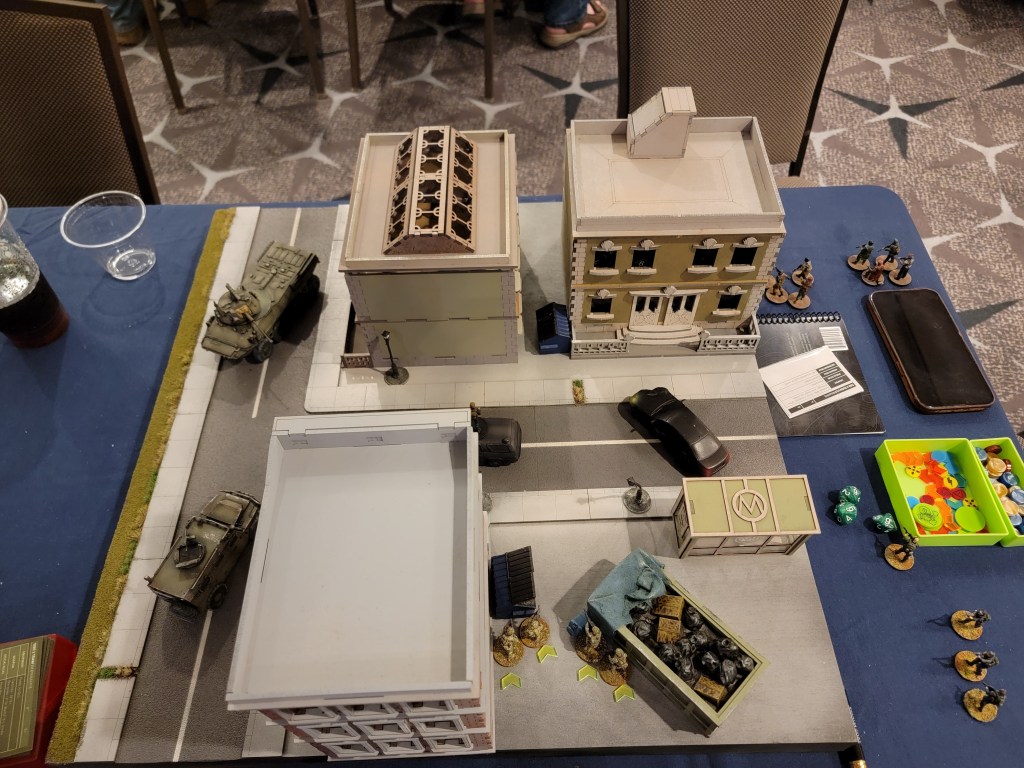
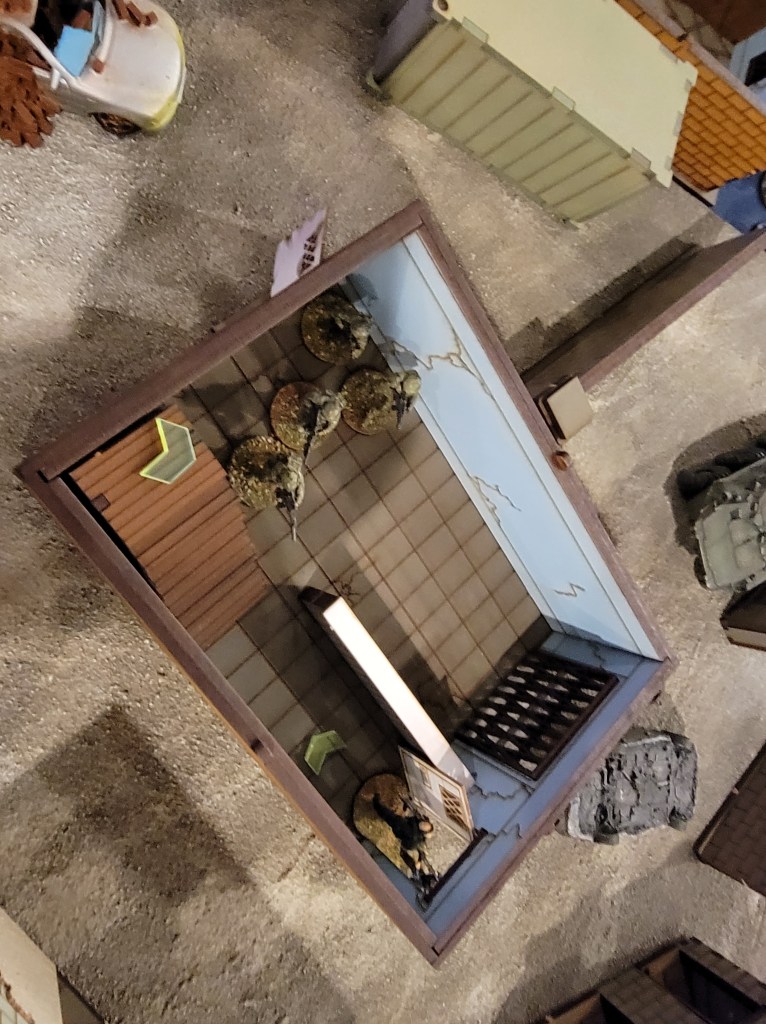
Here’s the board:
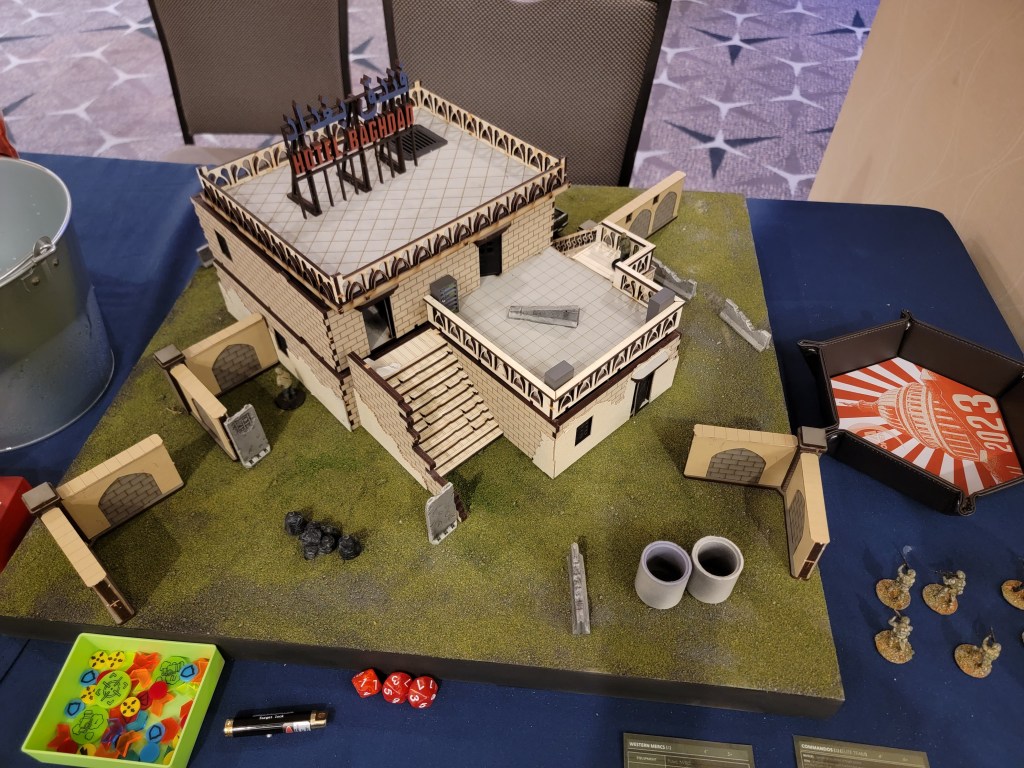
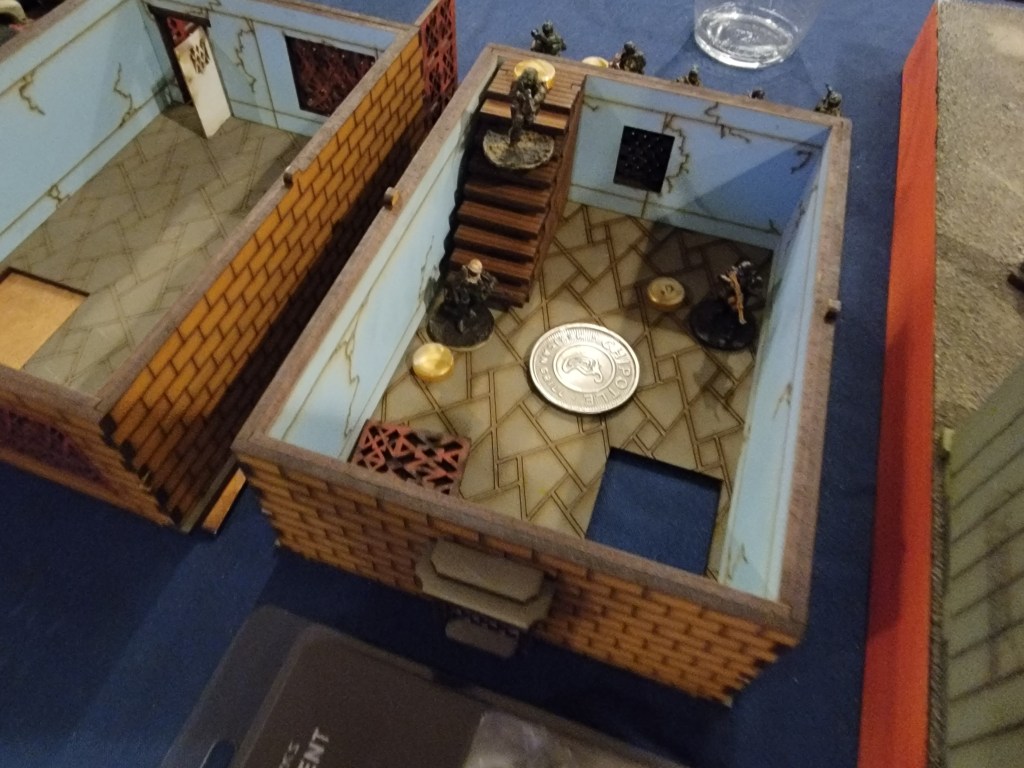
The mission was “Bagbag.” Four HVTs were placed—once each side secured one, one of the remaining HVTs would disappear. Whoever controlled two at the end of Round 8 won the game. One HVT was on the second floor of the building and the other was on the bottom floor. They were effectively tokens and did not move or act of their own volition.
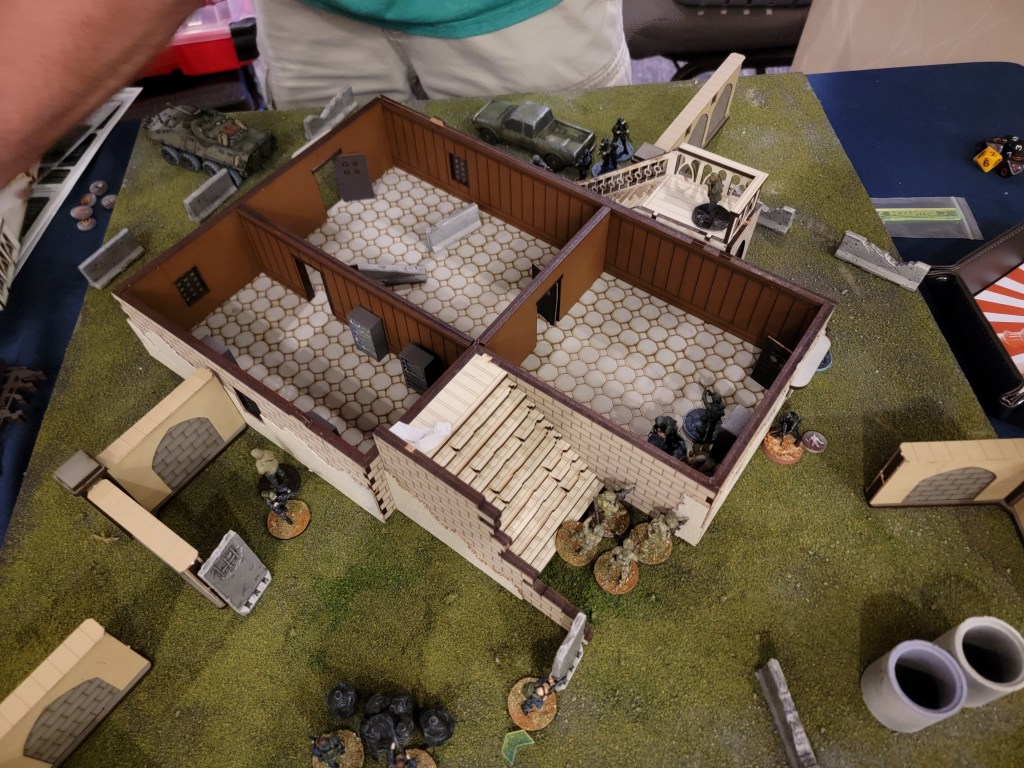
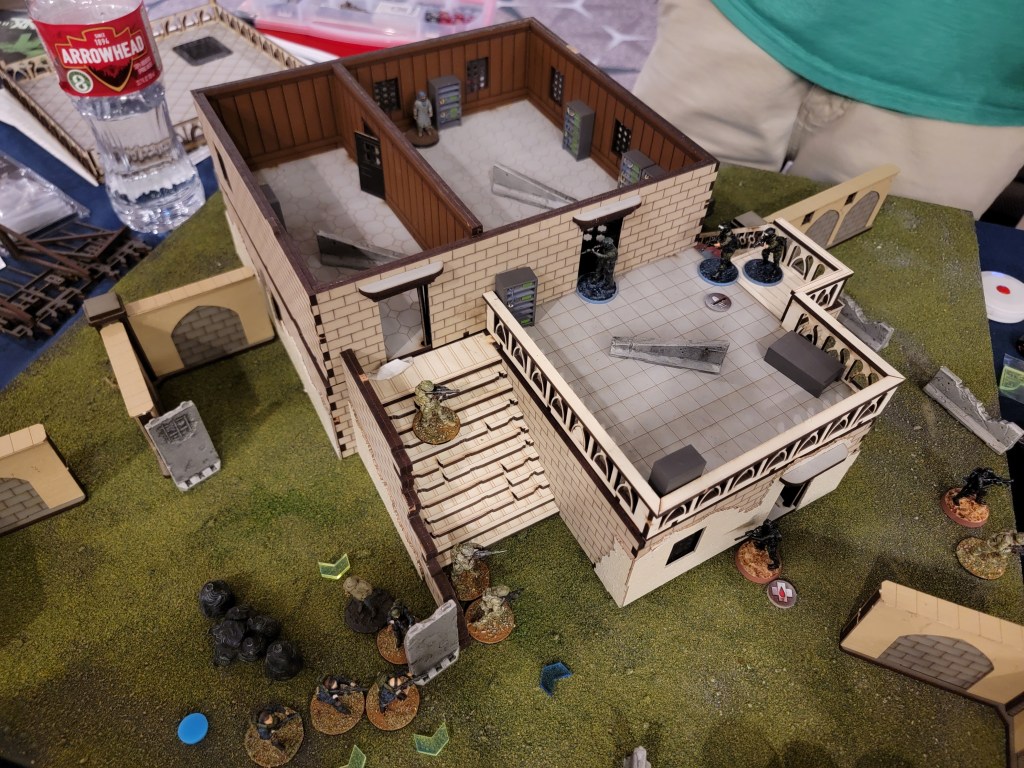
My opponent started out by securing the bottom floor HVT and securing that general route in the building. I secured my nearest HVT and after removing one at random, we were left with an HVT on the second floor to compete over.
I approached the stairs to get up to the second floor from outside the building. In doing so, I left myself open to a grenade, which my opponent landed and rolled hot on, eliminating a team I had bunched together hiding on the stairs. Ow.
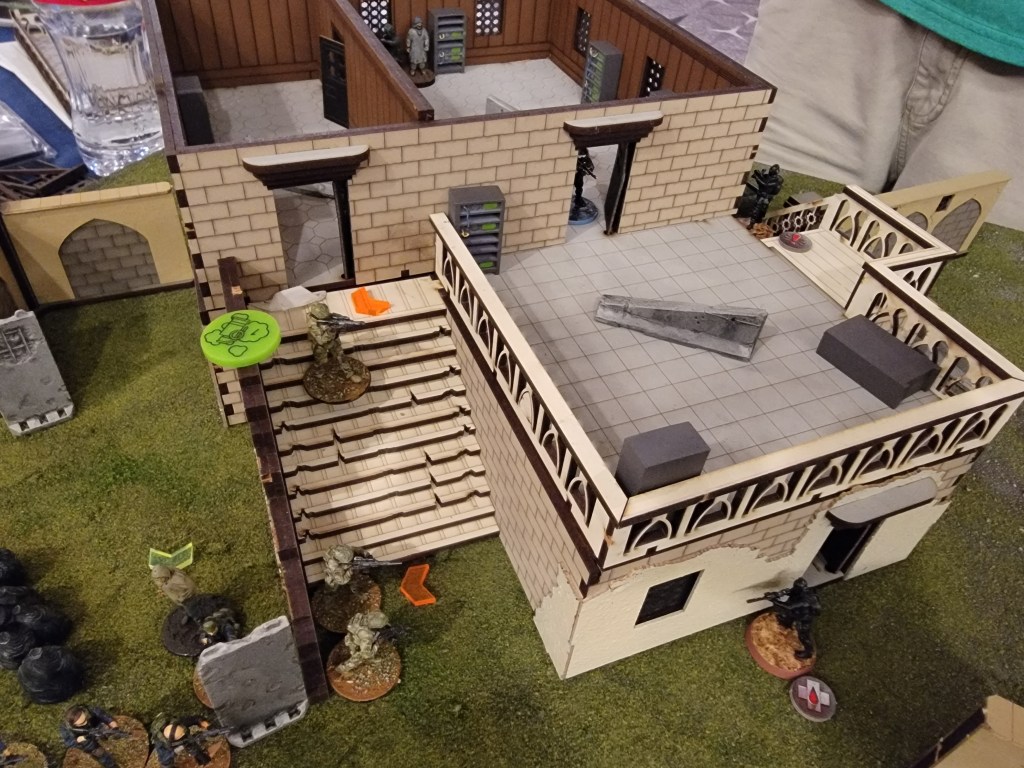
For what it’s worth, grenades are NOT that bad in this game. They won’t dominate a match (They have 30% chance of wounding someone for each hit, and only hit 1-2 times average). Against a single model I generally would not throw a grenade (except for situations where it lets me handle a Readied model without reprise), but against a group I definitely would. I opened myself up and my opponent took advantage.
With one team remaining I had to move my HVT along with the remaining team to try and secure a second HVT. I decided the second floor was more approachable (despite the grenade from earlier) and proceeded to route up the stairs.
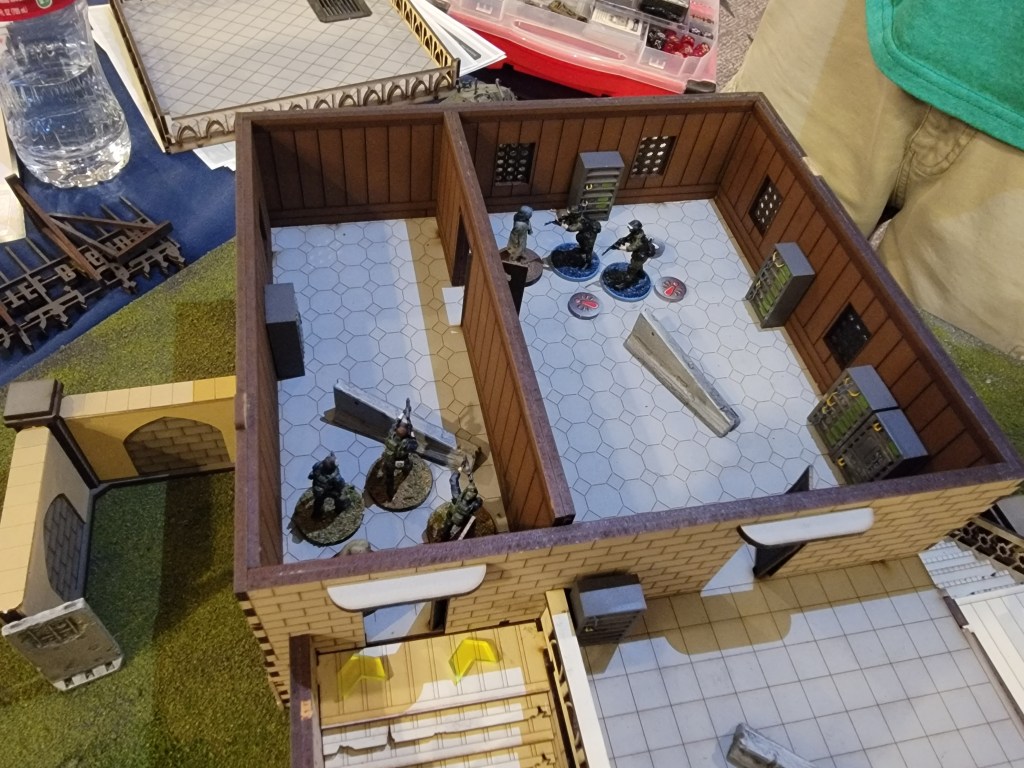
I used grenades to kill one model and pin the unit inside the upper floor (pausing their Readies), then used that delay to charge into melee. Ultimately, I nearly won, but his last model won two (three?) melees in a row and survived. That said, he outnumbered me two to one and I almost turned things around. It was a hell of a fight!
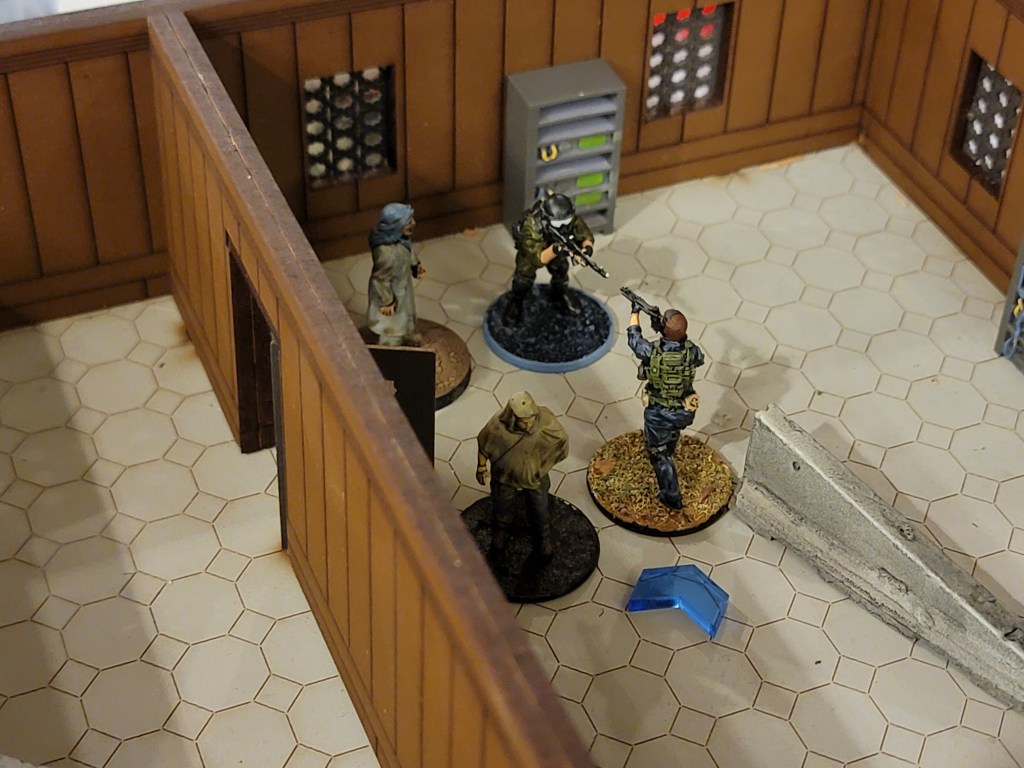
Too bad I didn’t know the rules better.
See, I didn’t need to melee him. I could have shot him within 4 inches and killed him without him being able to swing back. I should have won that situation but didn’t know about the Close Range rule. Not the fault of the organizers—I just wish I had read the ruleset prior to the event. This makes it better to me as I could have turned this game around.
I’m missing a ton of details here but suffice it to say the interaction between these major points was tense. We layered the usage of grenades and ready status to make every advance challenging, and there were a lot of trades made in the name of trying to earn ground. Once battle starts, every inch is really earned in smart planning and blood.
Wrapping Up
InCountry: Recon was another great event for me. Overall, this year’s NOVA Open (hotel issues aside) was on point and a ton of fun. I was really happy to be able to play three different systems extensively and have fun with each. I’d say the skirmish games beat out 30k for me, but that’s likely just a sign that I need a change of pace. I’ve played mostly platoon or greater level games all year now, so I likely just need to embrace some skirmish for a few months.
NOVA Open stands as a excellent convention in my mind. There’s more to do than just the tournaments, and every year it grows and gets better. It’s not GenCon or Adepticon or any of the other truly huge conventions, but I think they’re on their way.
Either way, it happens in my backyard and I’m always happy to go. I thought this NOVA would be my last, just due to changing economic positions, but now I know it can’t be. NOVA will be a yearly staple for me as long as I can manage it.
And InCountry? It was fun! Again, totally not a main system, but a great bit of side gaming. I’ll post more about the miniatures later, but I will warn that I prefer their resin over their metal for now (construction issues). In terms of the game, it’s free and a good time. I hope to get quarterly events off with it, or maybe even monthly if folks like it enough. Worst case, I’ll play another 10 or so games with a buddy and move on—and that’s fine. I painted a ton of cool, system agnostic figures, and I played a miniature agnostic game with them. They’ll find a new system again one day.
There’s the beauty of skirmish, really. It’s the best way to have gaming ADD.
That is… unless you decide to play a big, complex skirmish system that DEMANDS your attention. But those don’t exist, right?
…Right?…
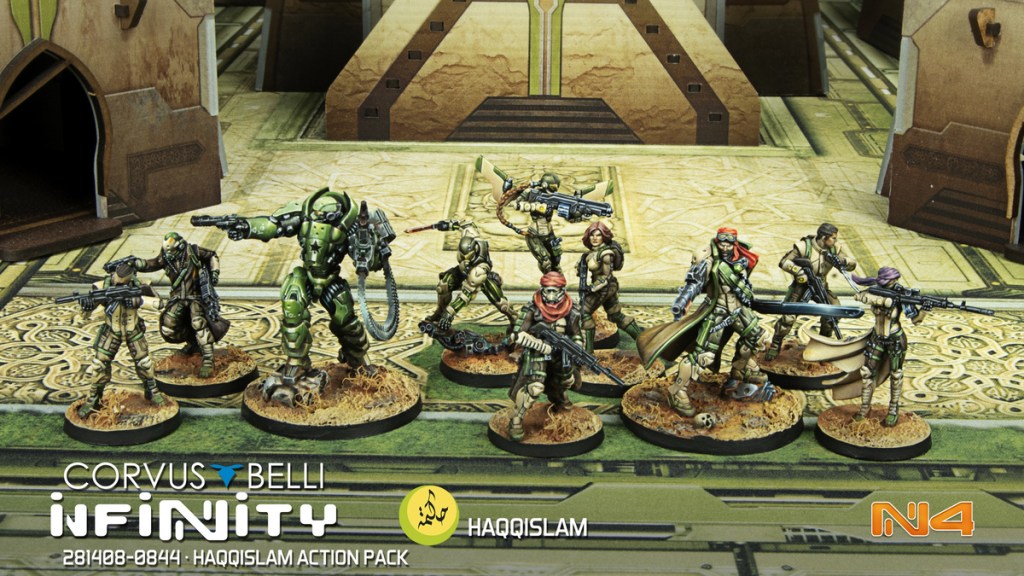
Oh no.
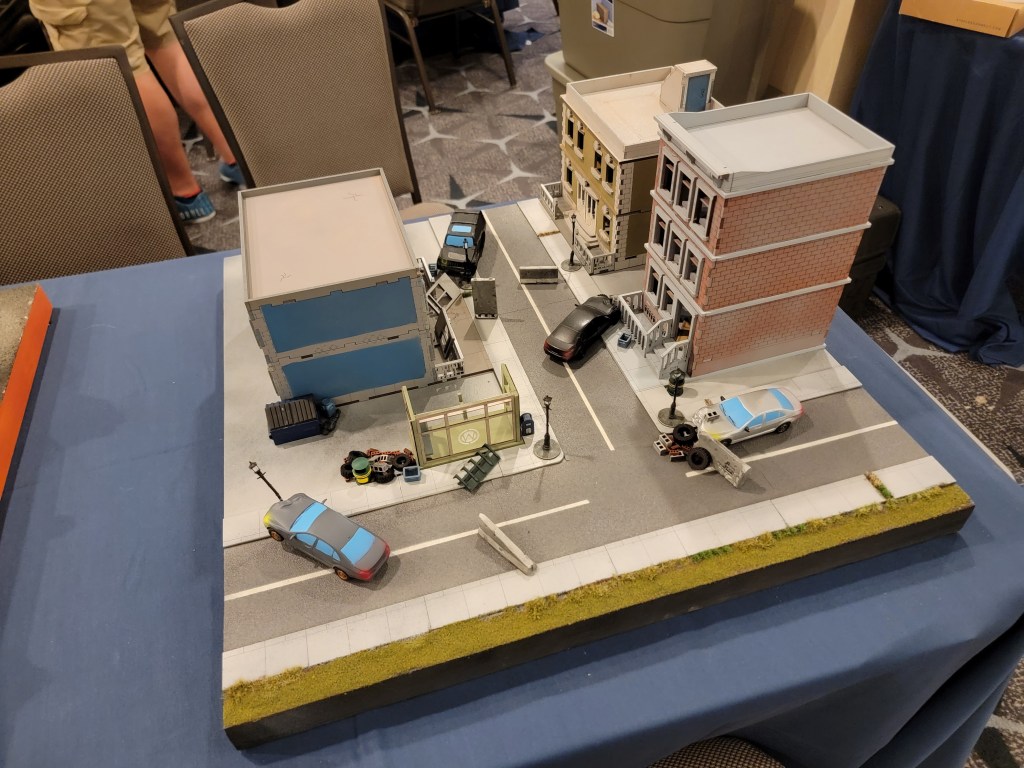
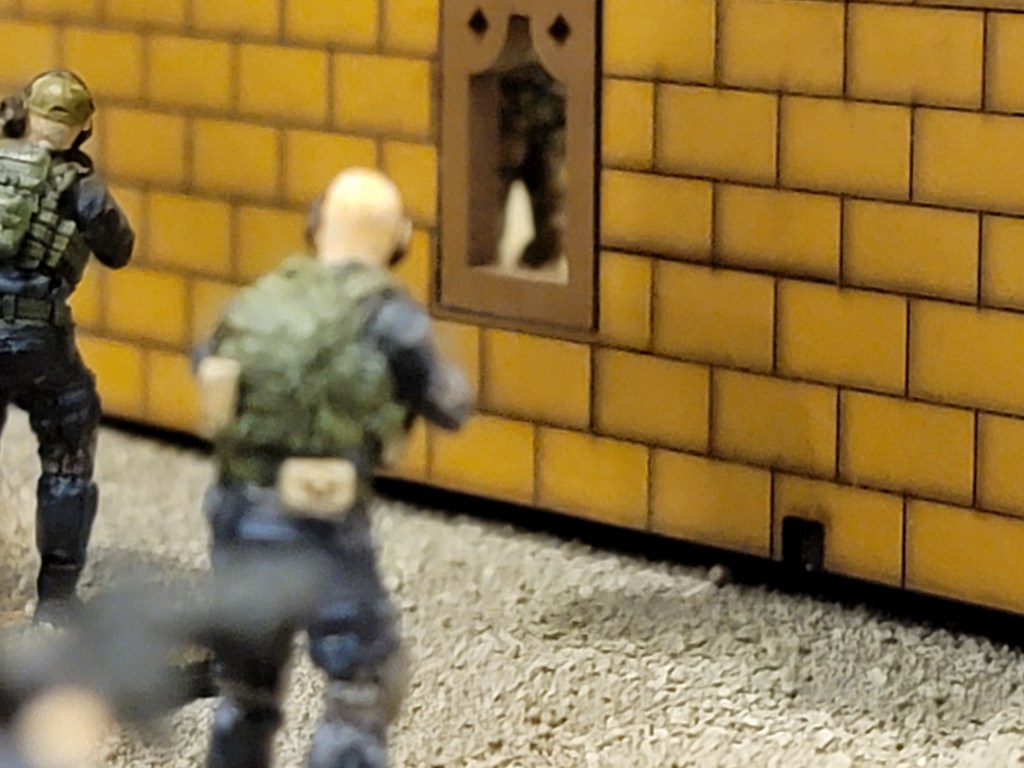
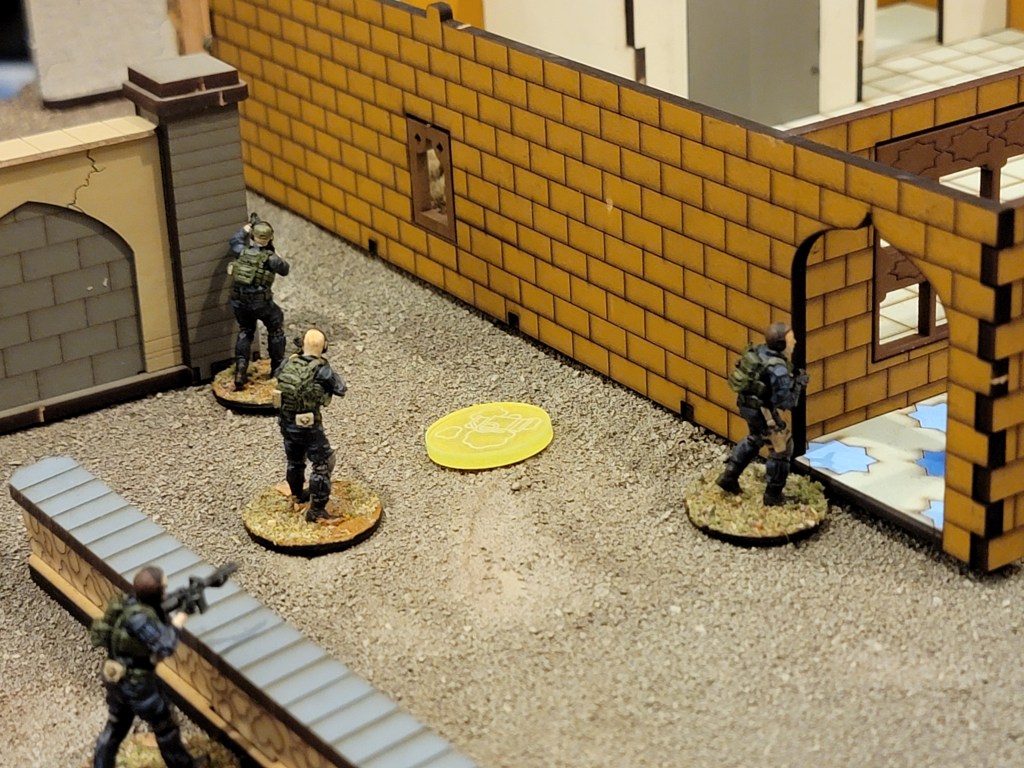
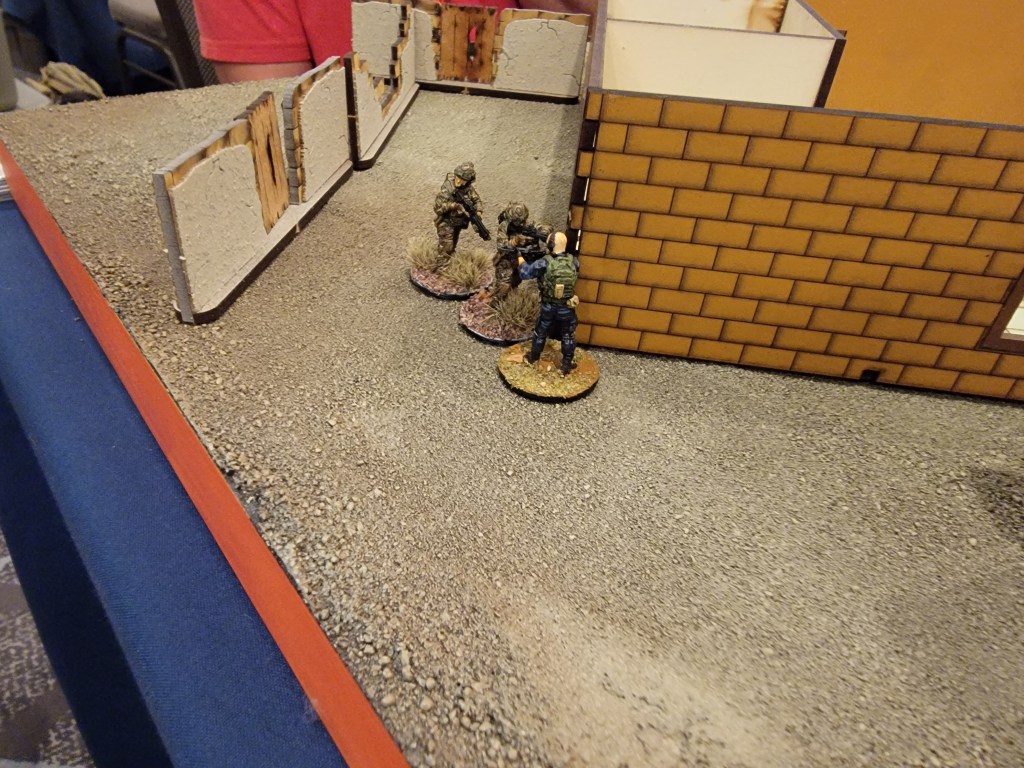
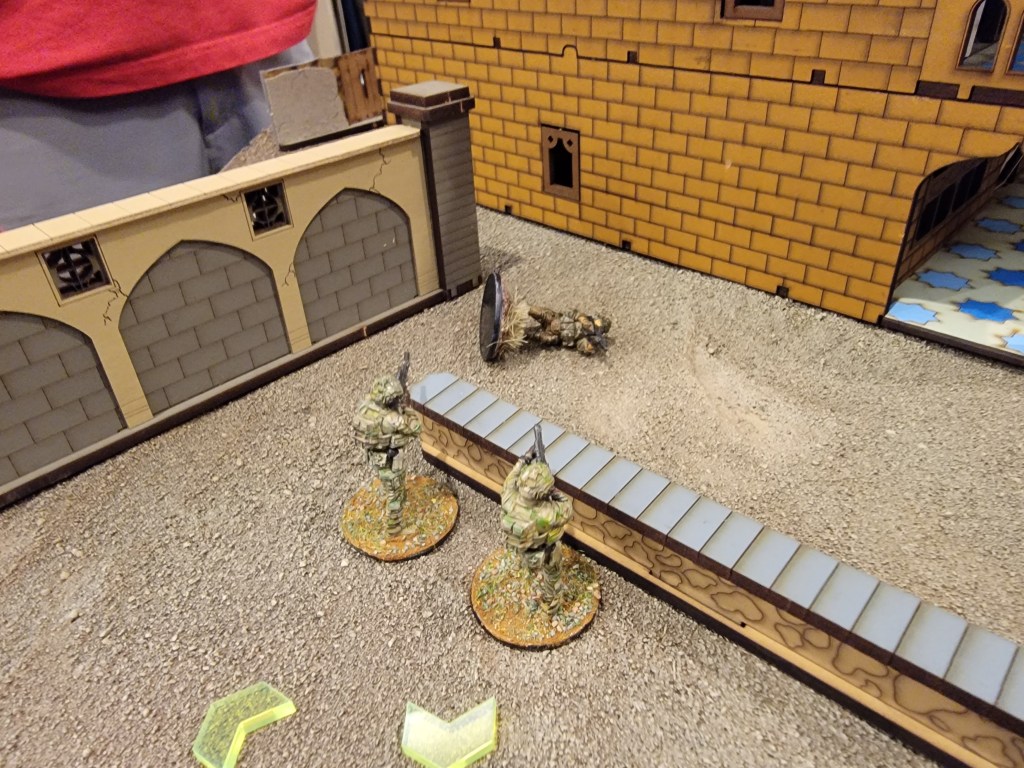
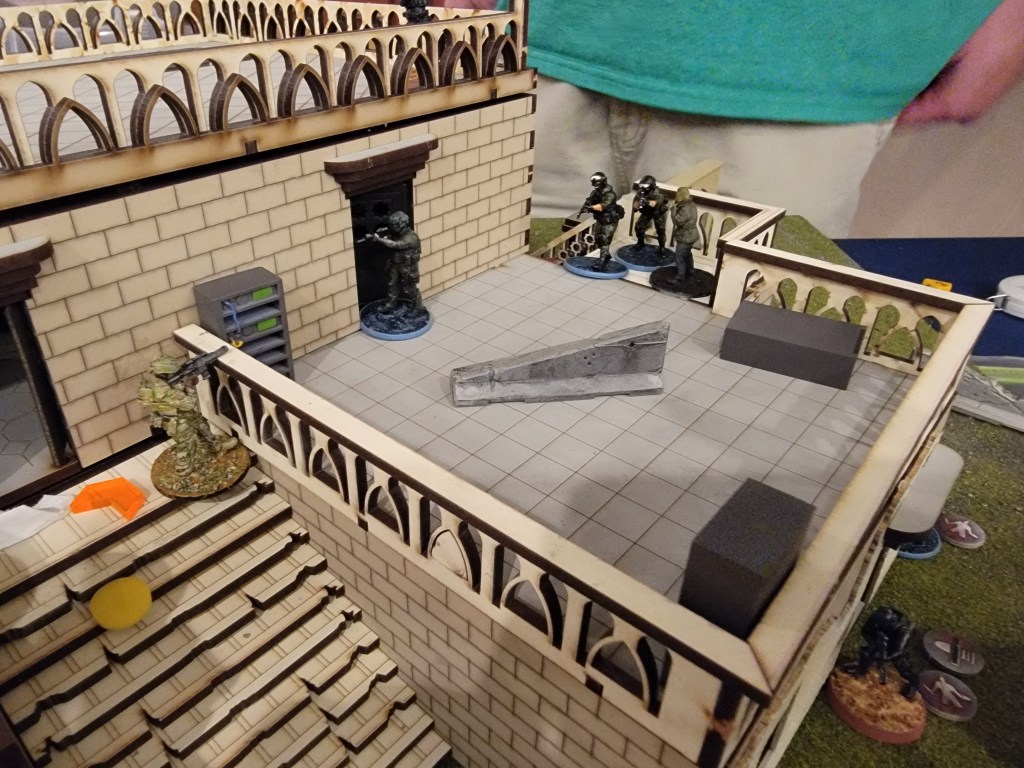
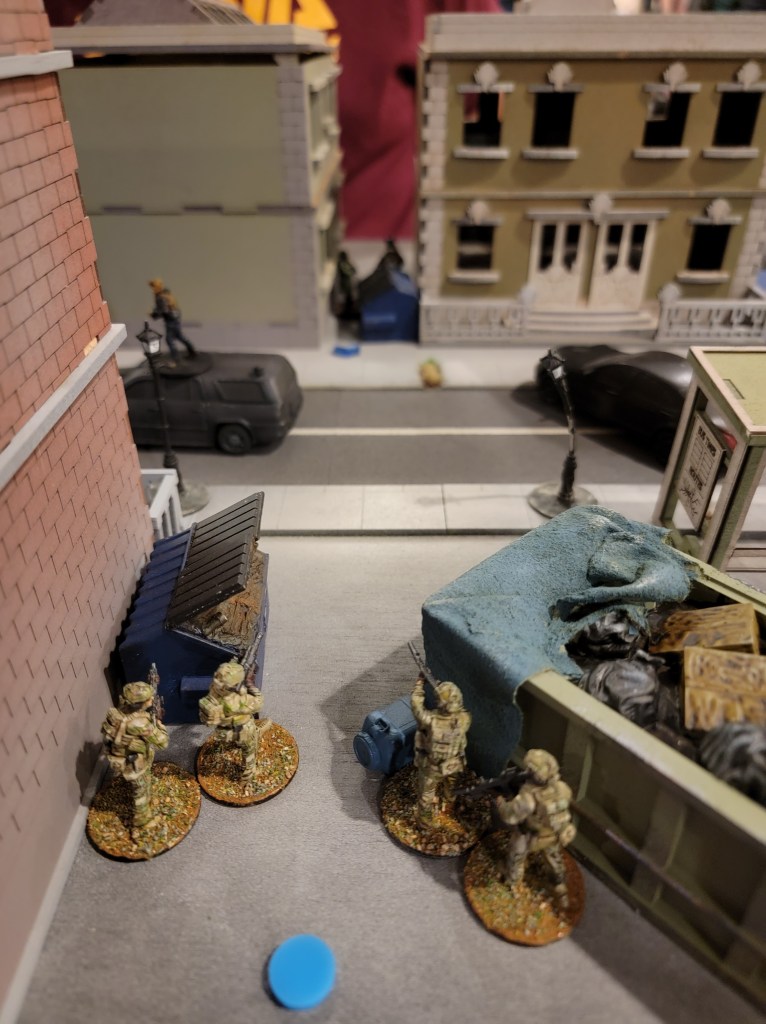
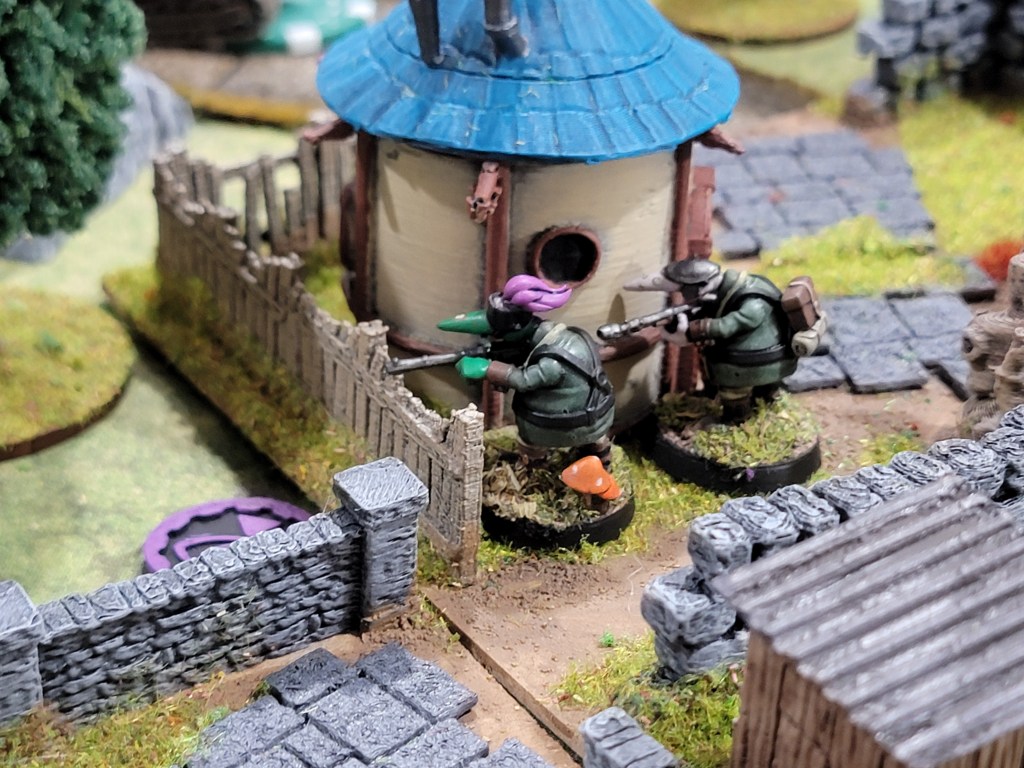
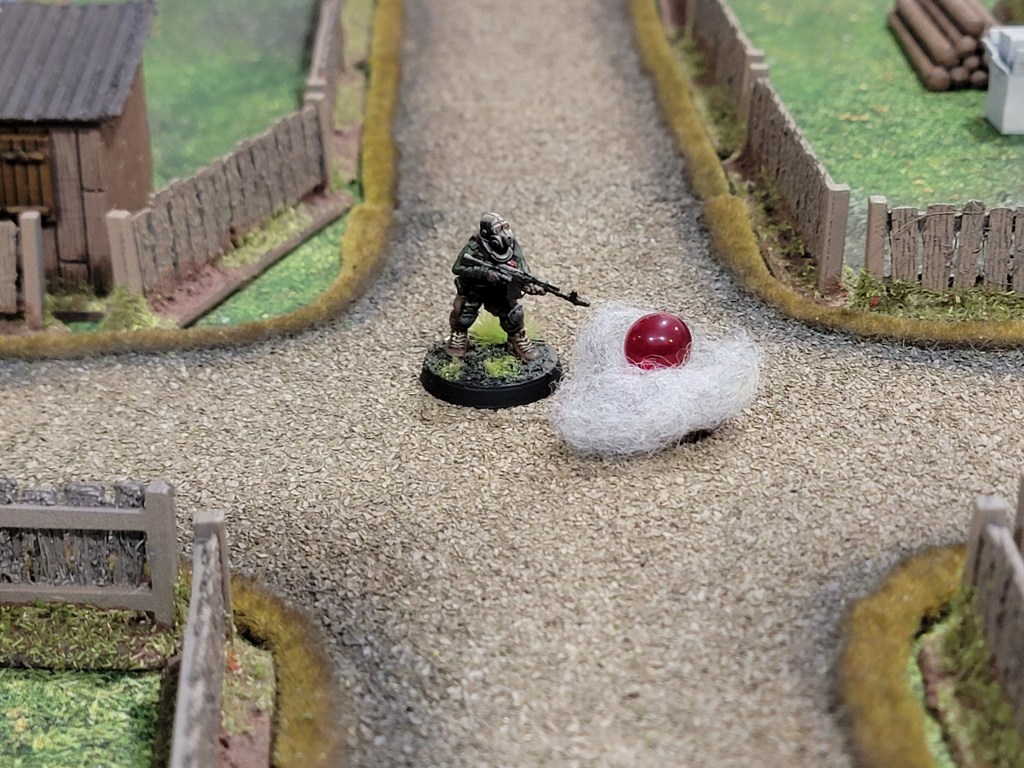
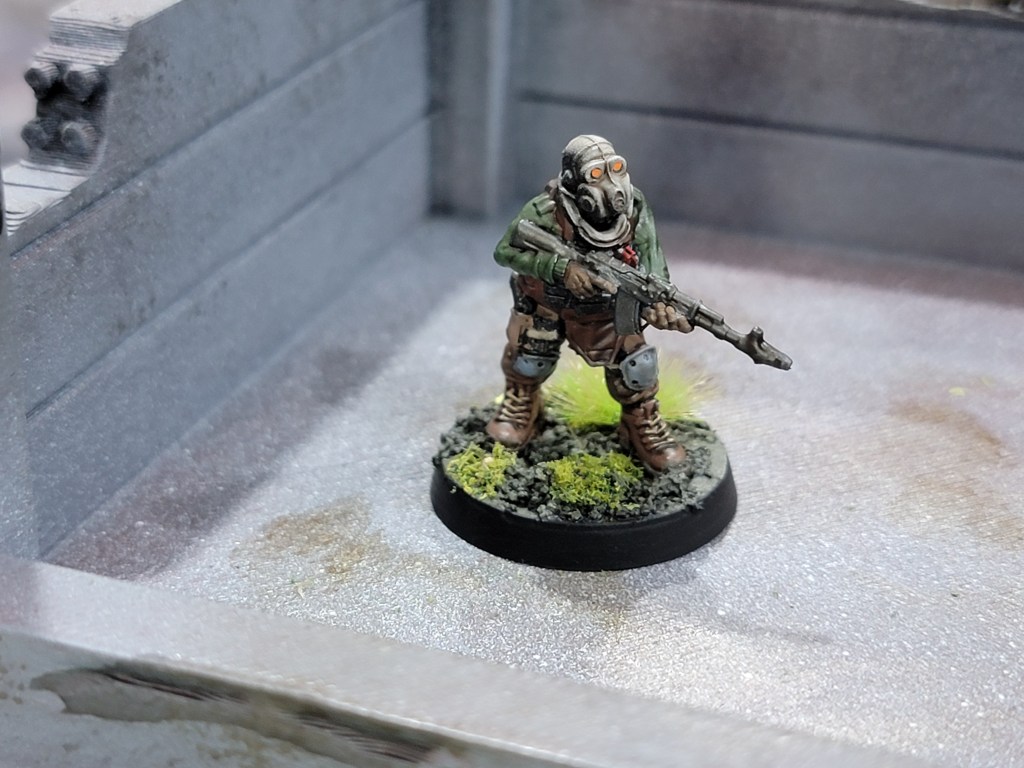
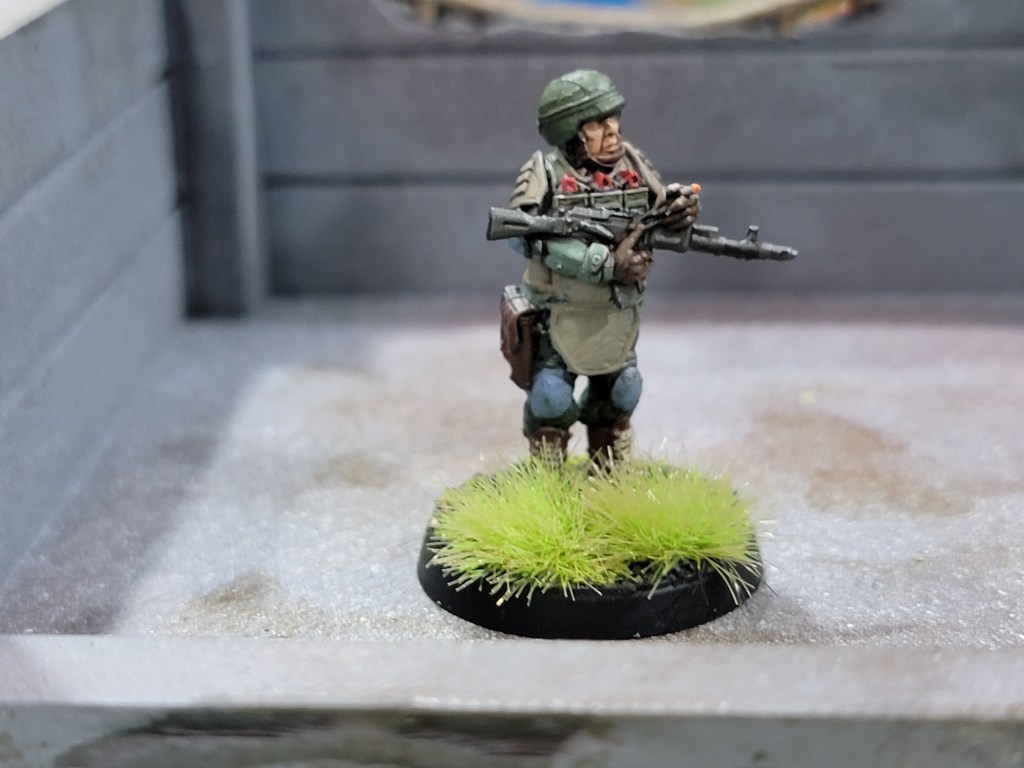
Gag aside, here’s the shots of all the pretty boards and gameplay:

 Small Scale Victory
Leave a comment