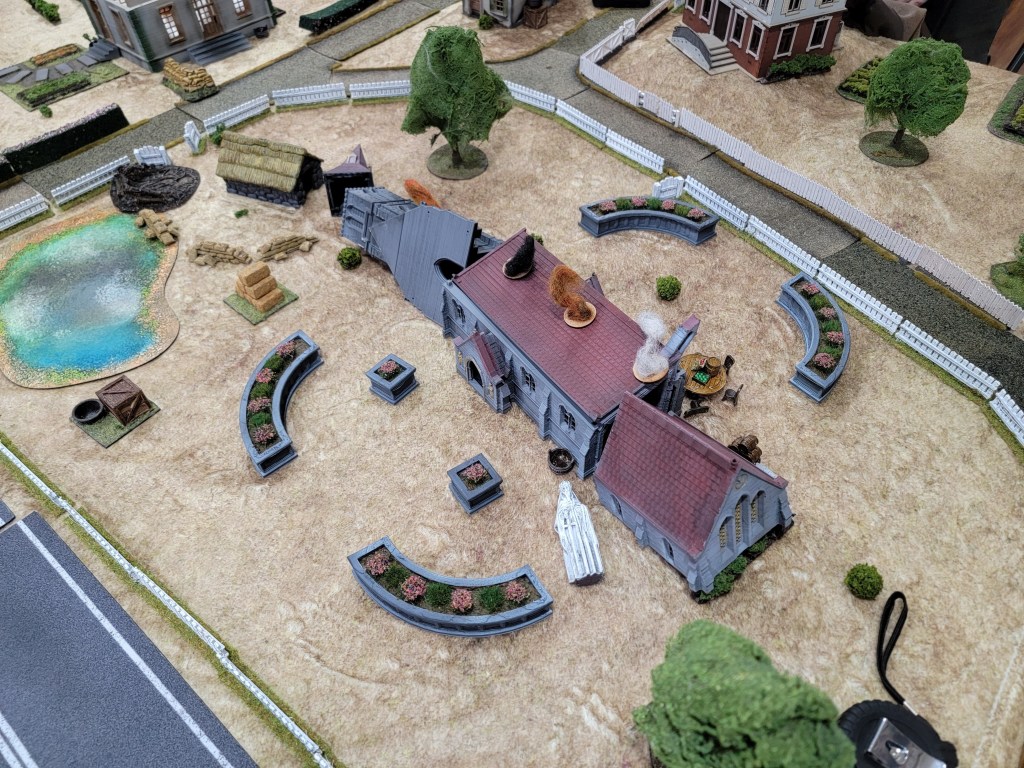
I’ve alluded before to running an educational Big Chain of Command game. Well, I did it! Or rather, we did it, as I had an excellent co-GM. This last weekend I got a few guys together at my house to sit through a tactics presentation and then play a four player Chain of Command game with two additional people acting as headquarters to give advice whenever a turn ended. The Headquarters players had no forces and were forbidden from advising mid-turn.
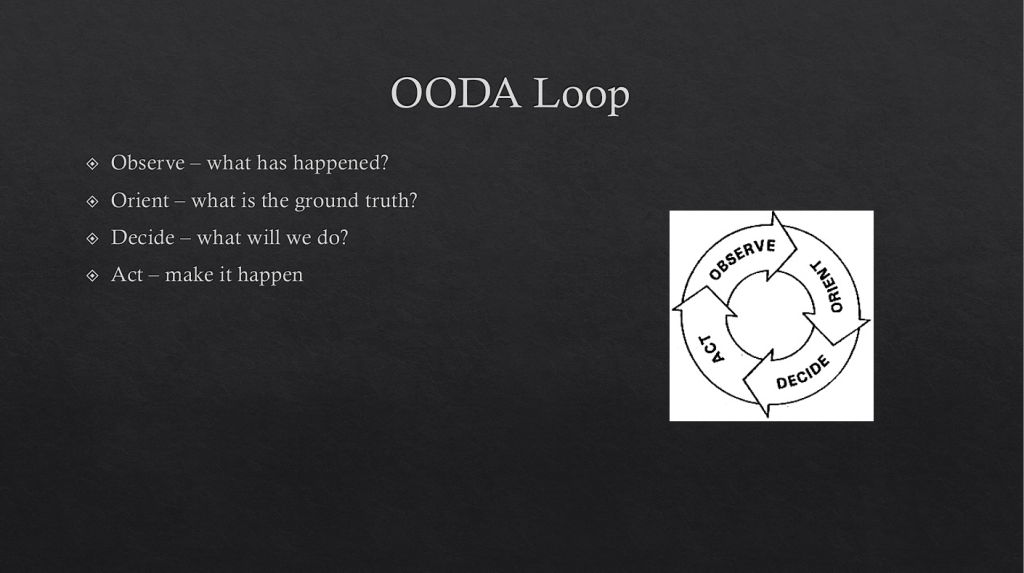
The presentation went over basic tactics and how to make a plan. It was written in a semi-military mindset and pulled a lot from the Chain of Command Tactical Primer, which is a remarkably great document. I can’t stress enough: as a new, intermediate, or advanced Chain of Command player you owe it to yourself to read the tactics primer I pulled from. Link below.
I plan to do a series of posts about the game that followed my presentation. It was dramatic and immediately showed that both sides paid attention (even asked questions!). My objective was to elevate our group’s level of play and I firmly believed we achieved just that. So much so that I think if I can refine this concept it may very well be an event by itself to hold at a convention, presentation and all.
The mission was intentionally designed (post coming on that) to give the attackers three possible avenues for success. The defenders just needed to repulse the attackers. This left the attackers to decide a main Course of Action (COA) and the defenders to decide between mobile and static defense tactics. I intend to do a COA analysis for both sides later this week.
A big part of the game was the periods of advice the players got. They had an hour to plan the game with their respective Headquarters, then at the end of every turn they got five minutes to talk with us. Only three turns ended in the game, so the Headquarters only got to check in three total times, for fifteen minutes worth of advice.
I will say watching as the teams deviated from plan was perhaps one of the most stressful things I’ve done as a wargamer. There were moments where I wanted to shout “STOP THAT” but couldn’t. There were also moments where I was immensely proud of my team (Defenders) for thinking creatively or just sticking to the plan despite unexpected enemy behaviors. It created a dynamic where the Headquarters acted as external observers unaffected by the game, who could keep the original plan from completely unwinding due to contact with the enemy, but also couldn’t due to not being in the game.
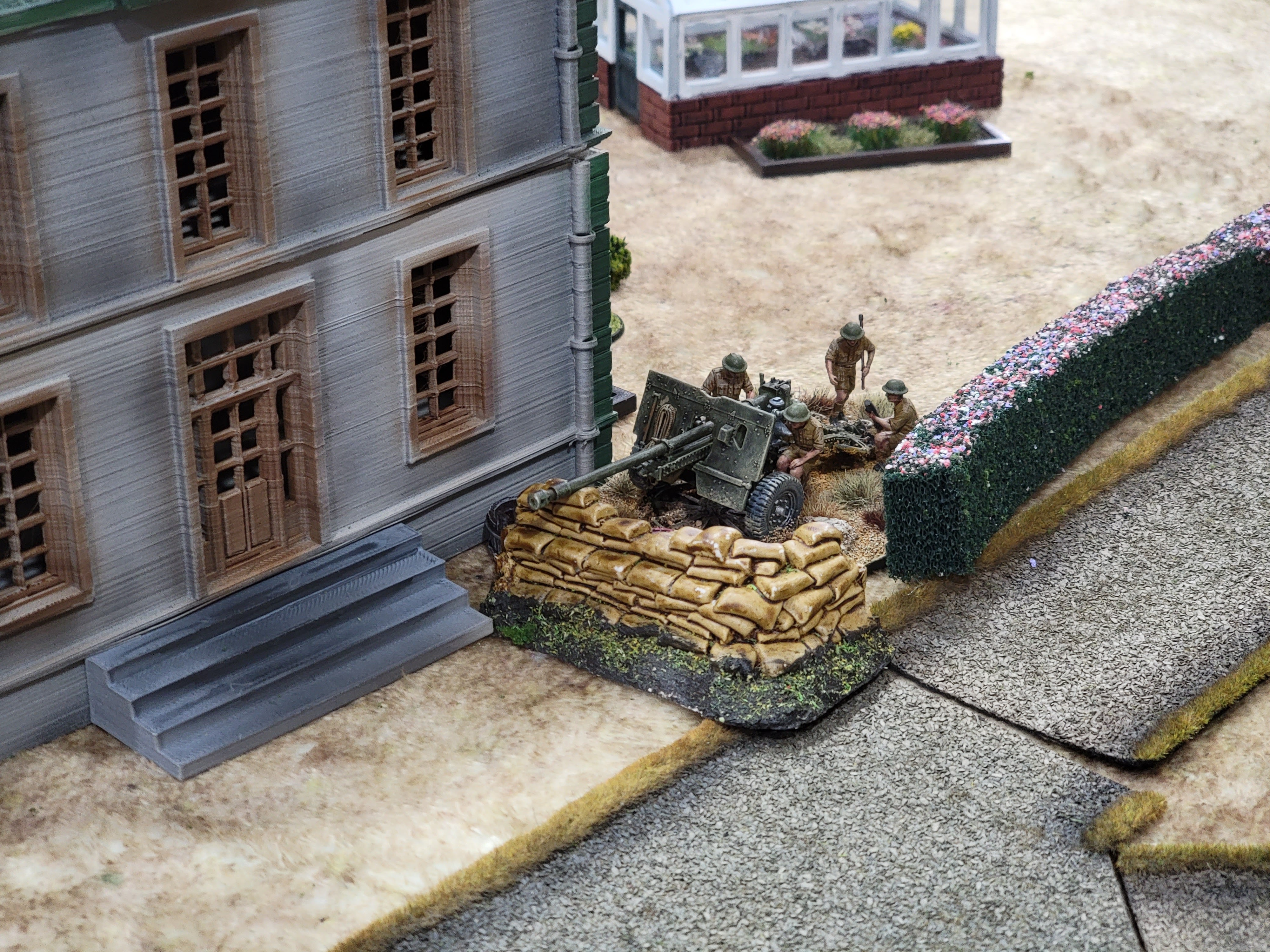
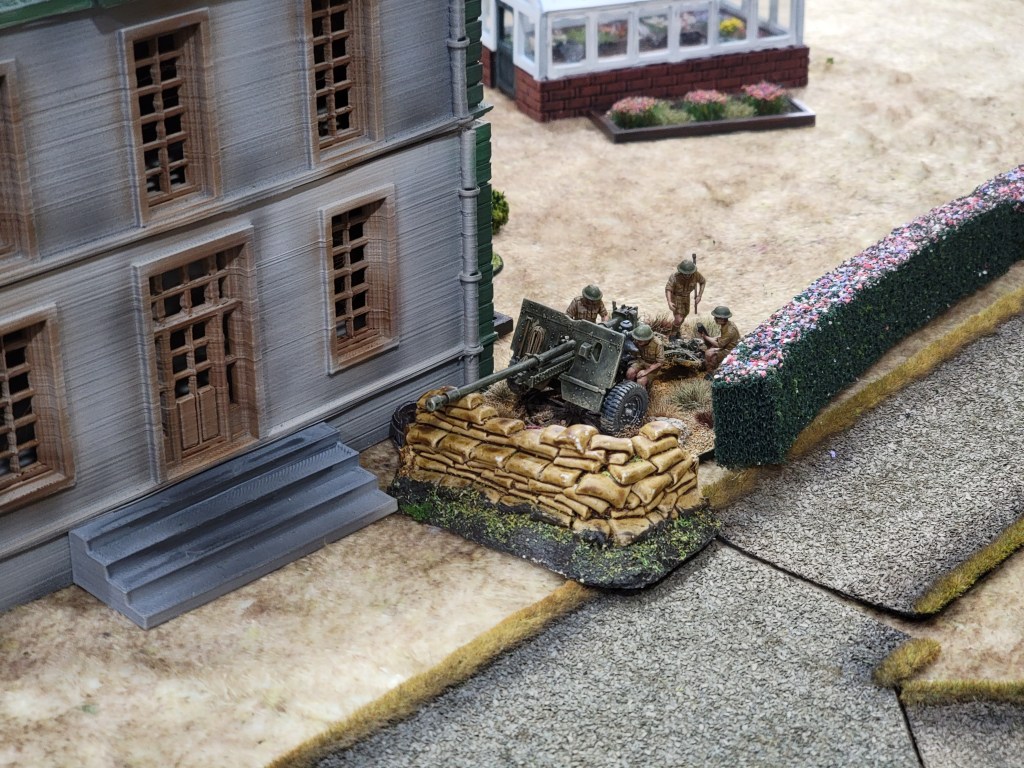
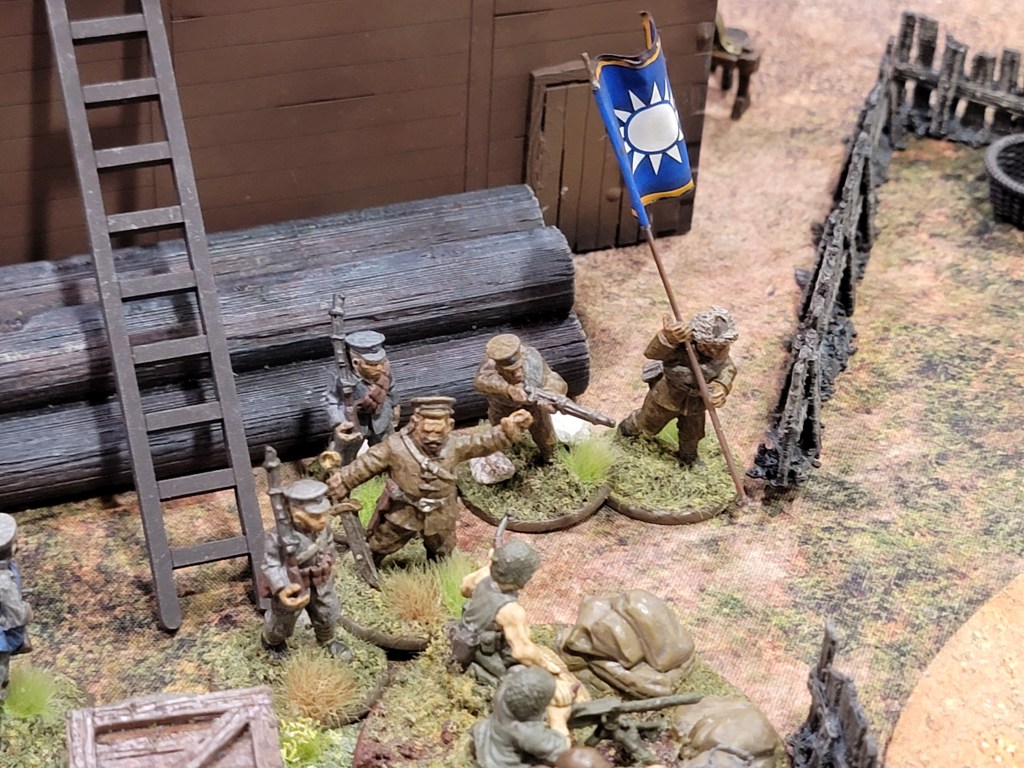
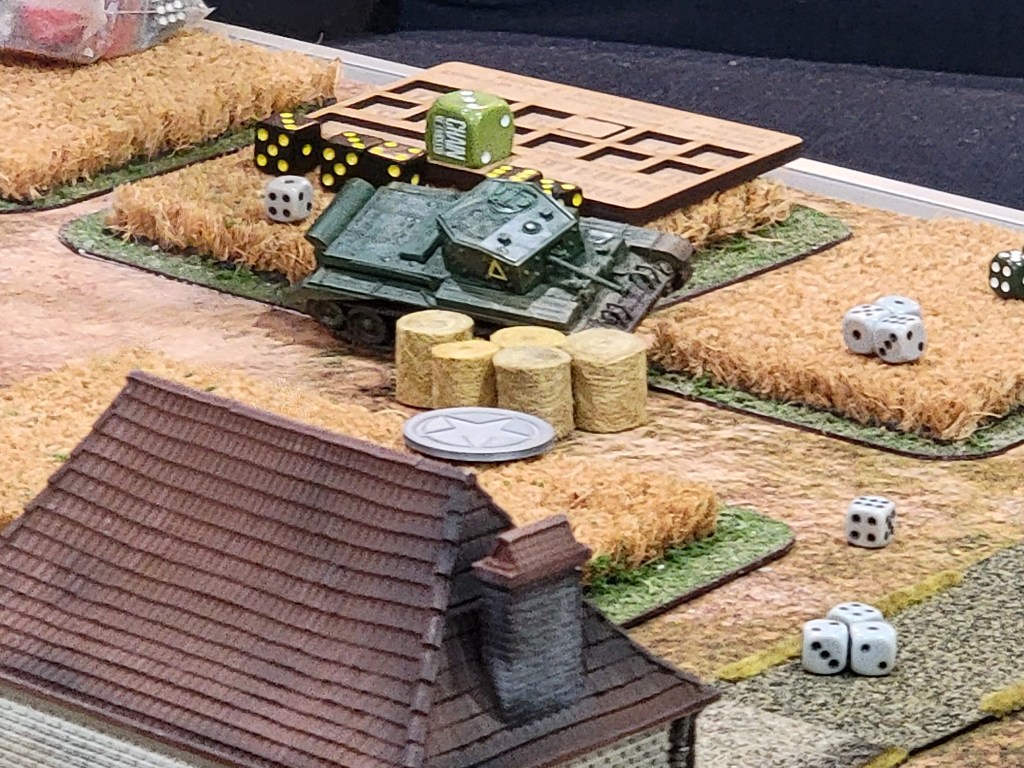
This post here is mostly meant to be a photo dump. Sorry to be a tease. I just took so many darn photos and it will be easier to create the other posts if I dump them all here. I will say the event overall appeared to be a success. We took nine hours including three hours spent with presentation, planning, and lunch. The game itself took about 5 hours and we did a hotwash (post-game-chat) afterward that I wish we could have run longer. It was fascinating to hear everyone’s takes on the game and I could have sat around until midnight just discussing what went right and wrong from the players’ perspectives. I’m still refining how I capture this data in hobby gaming and I hope to do better with it in the future.
Every time I run one of these Big Chain of Command games, I walk away more and more convinced the system is just insanely good. There’s nothing like it—I’m not even convinced that the other Lardy games match the quality of Chain of Command. I have mined this game for years and still adore it.
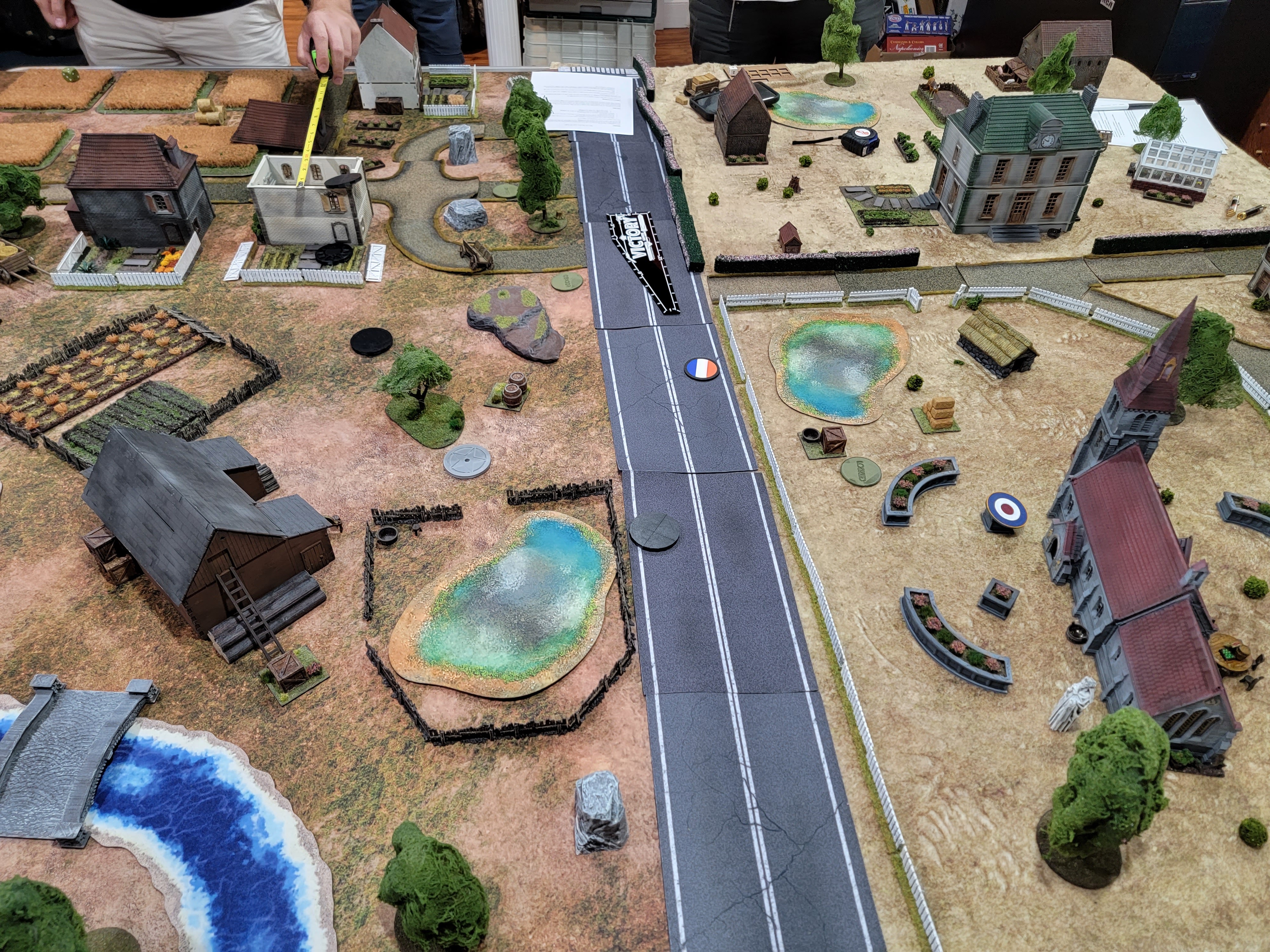
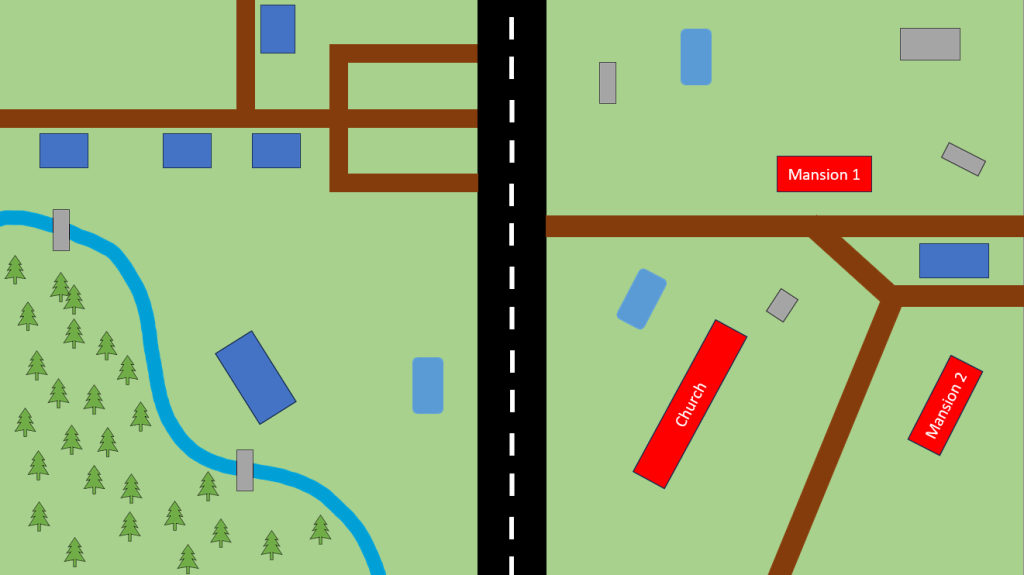
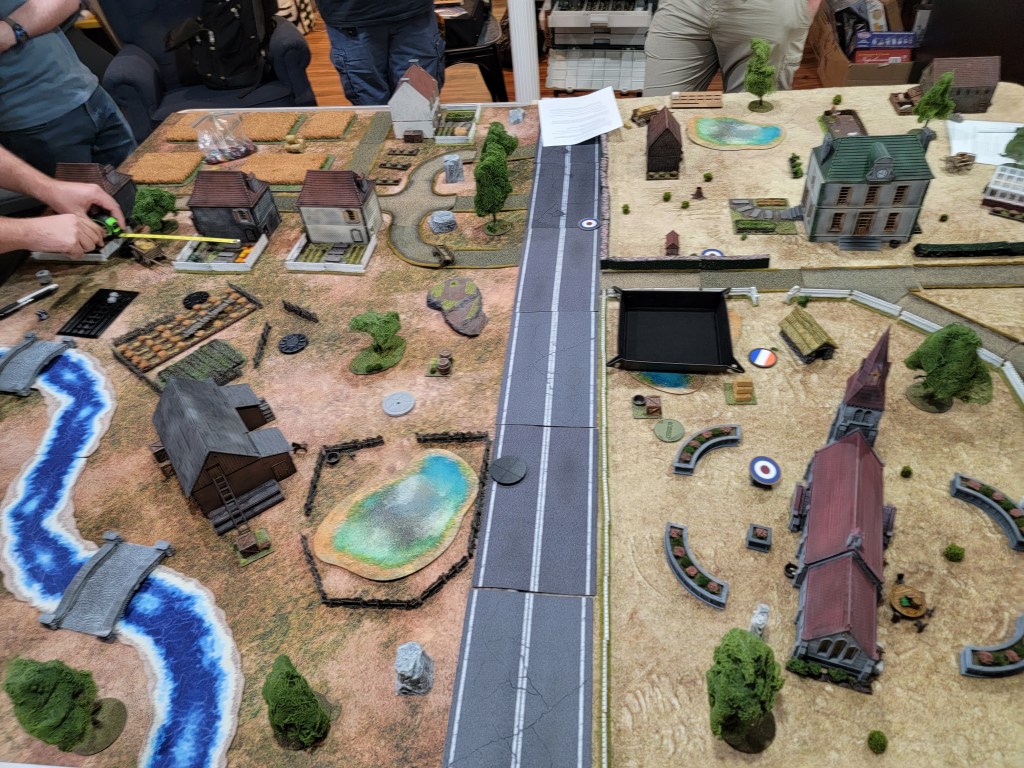
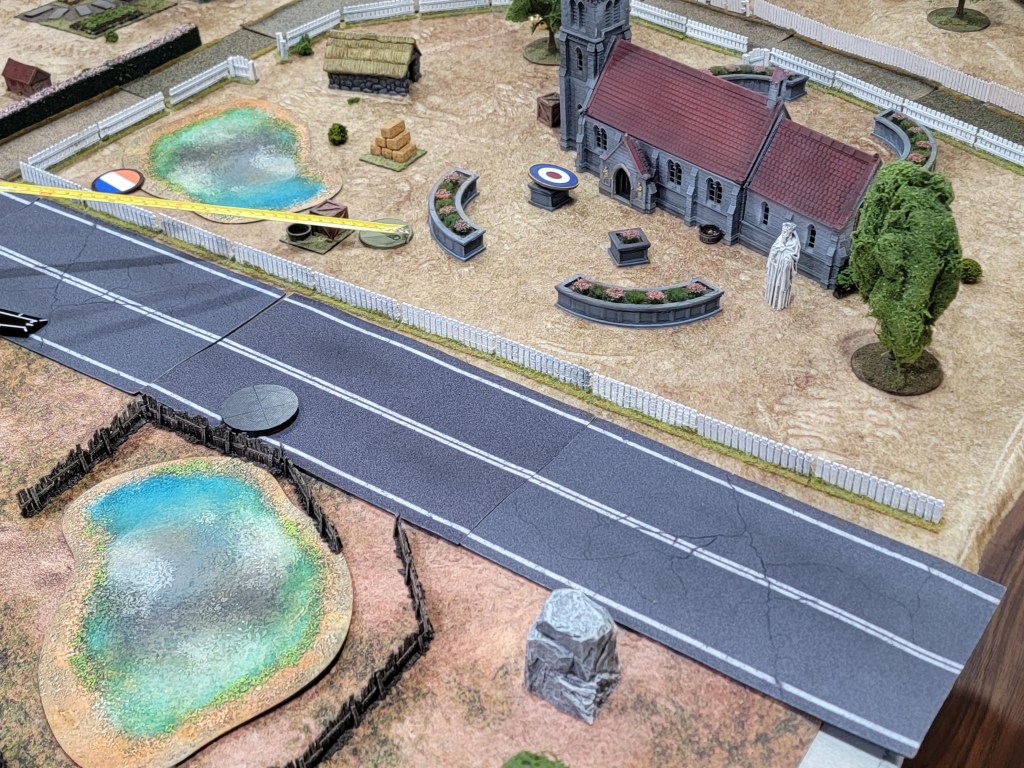
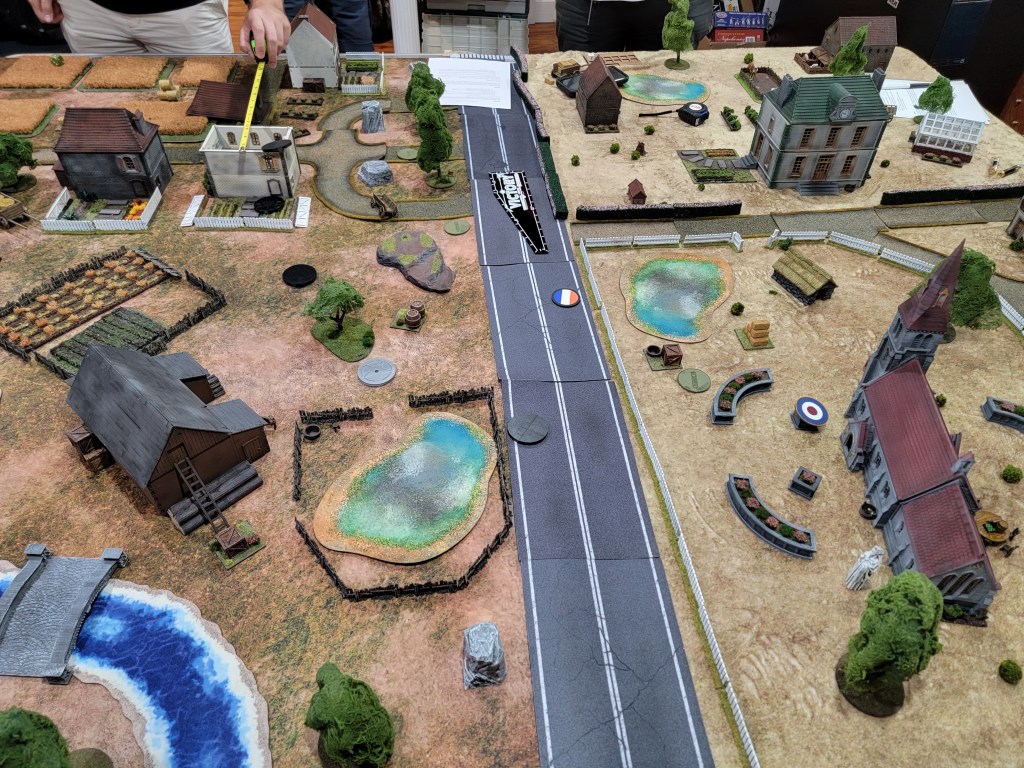
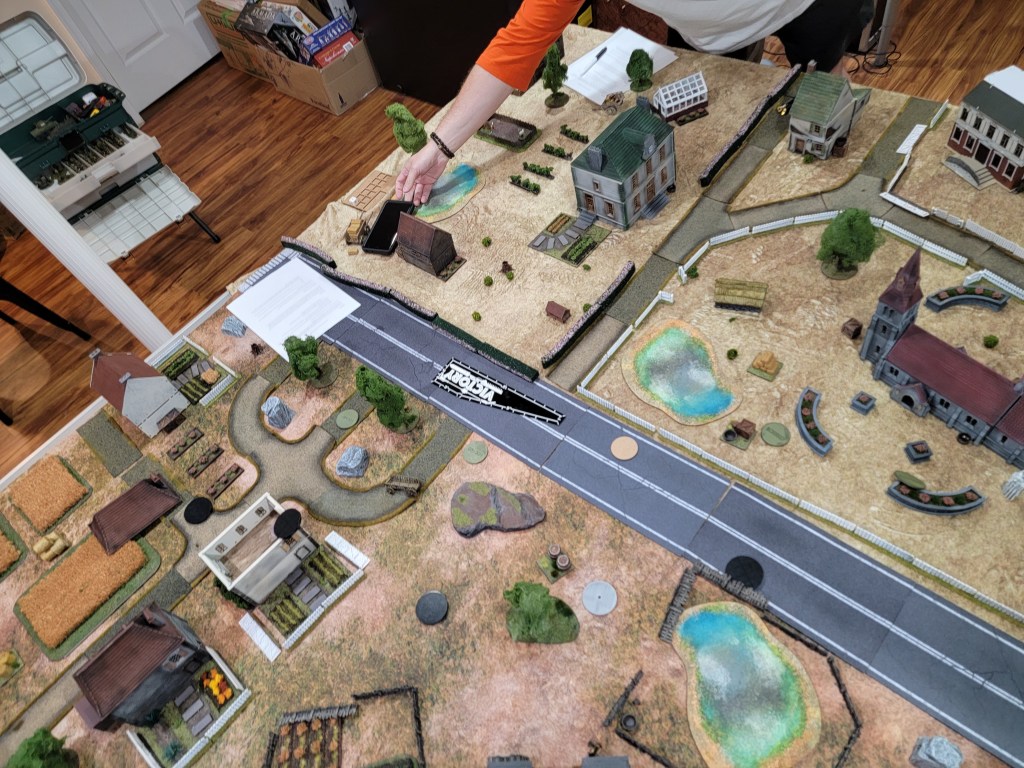
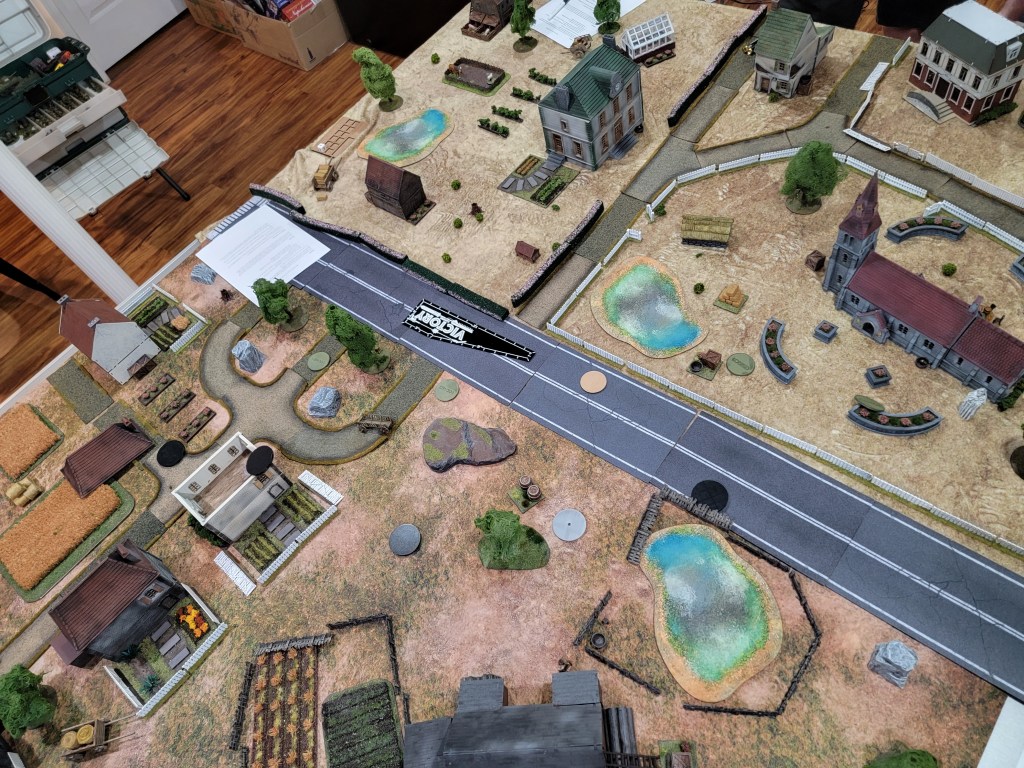
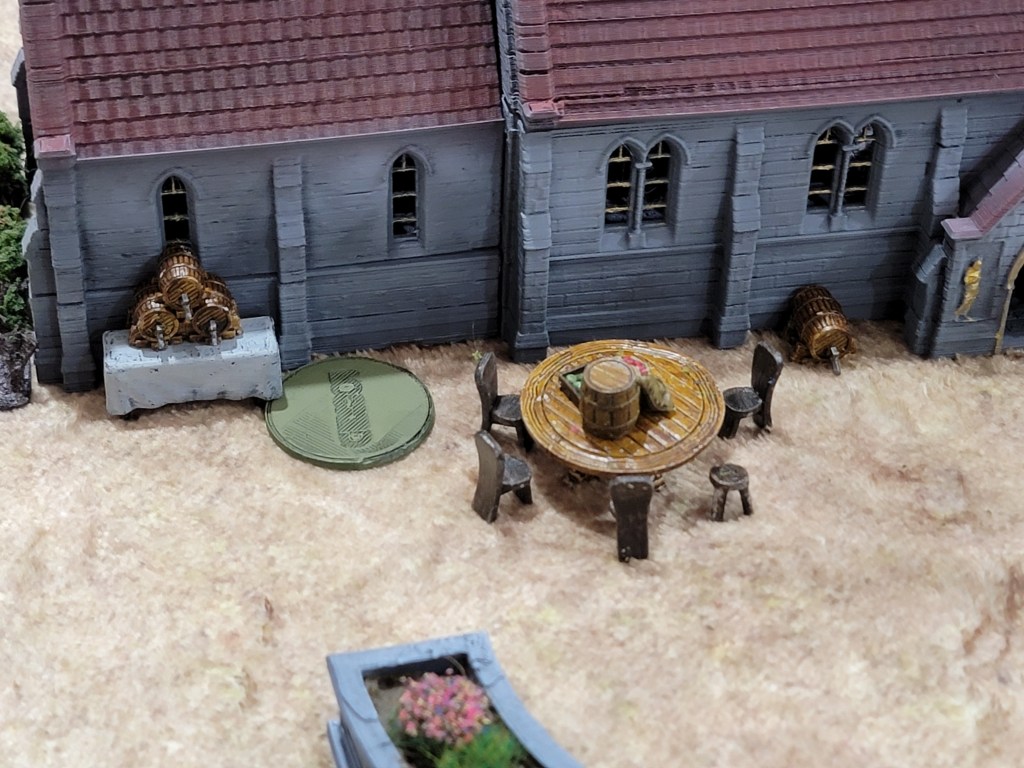
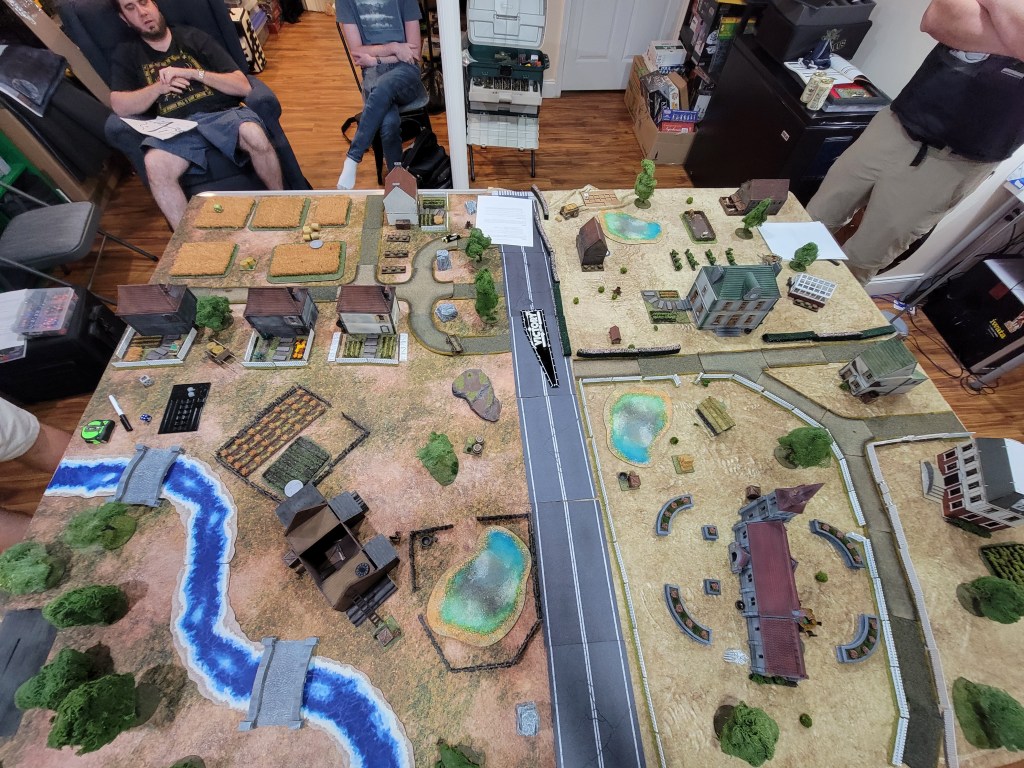
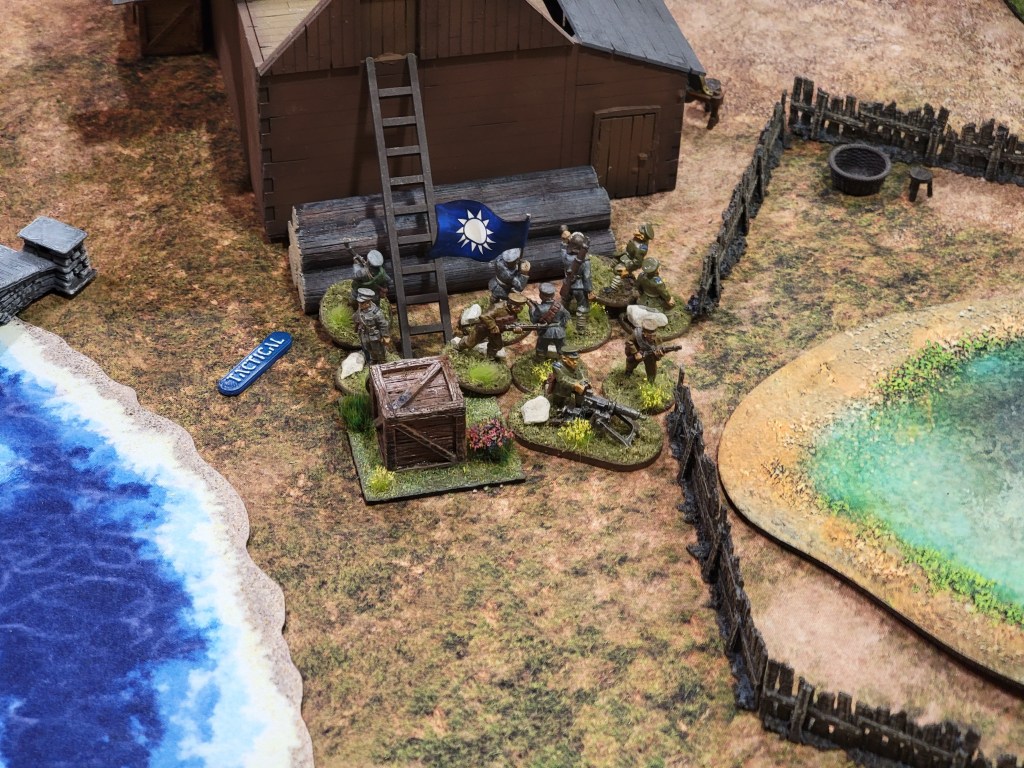
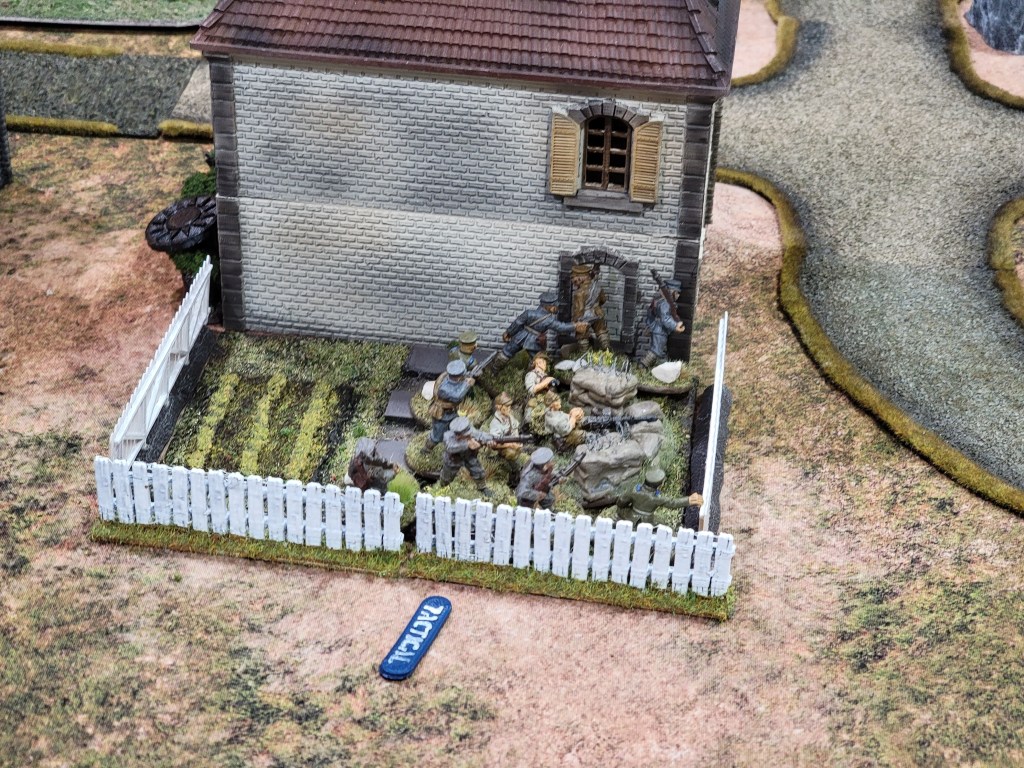
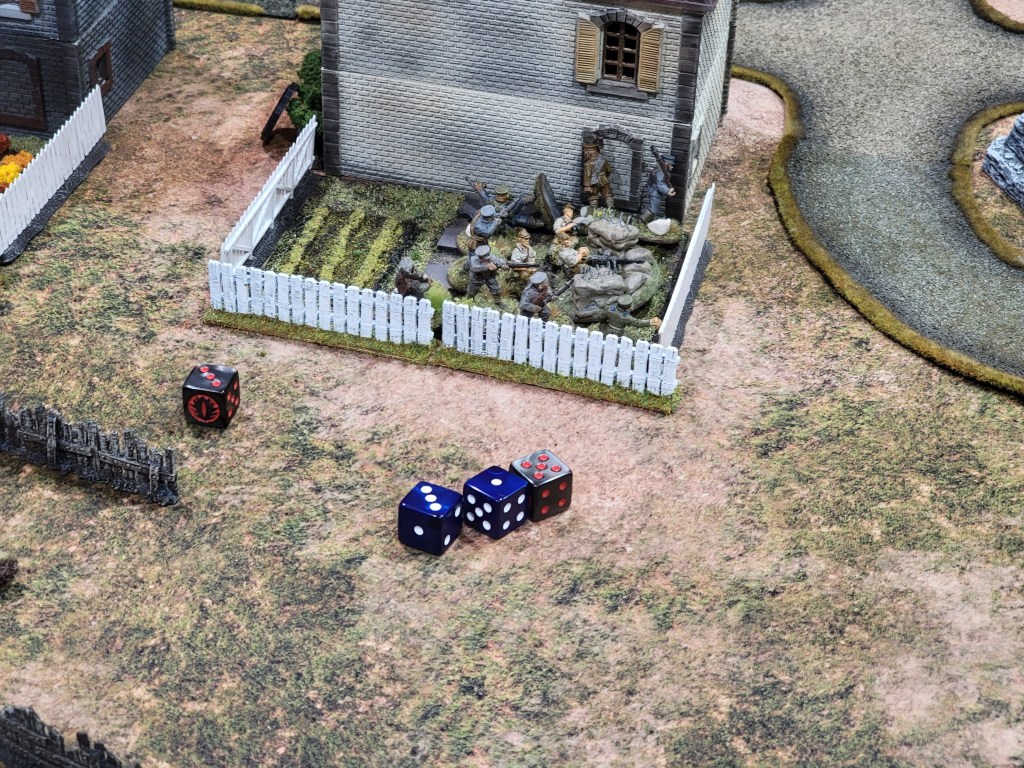
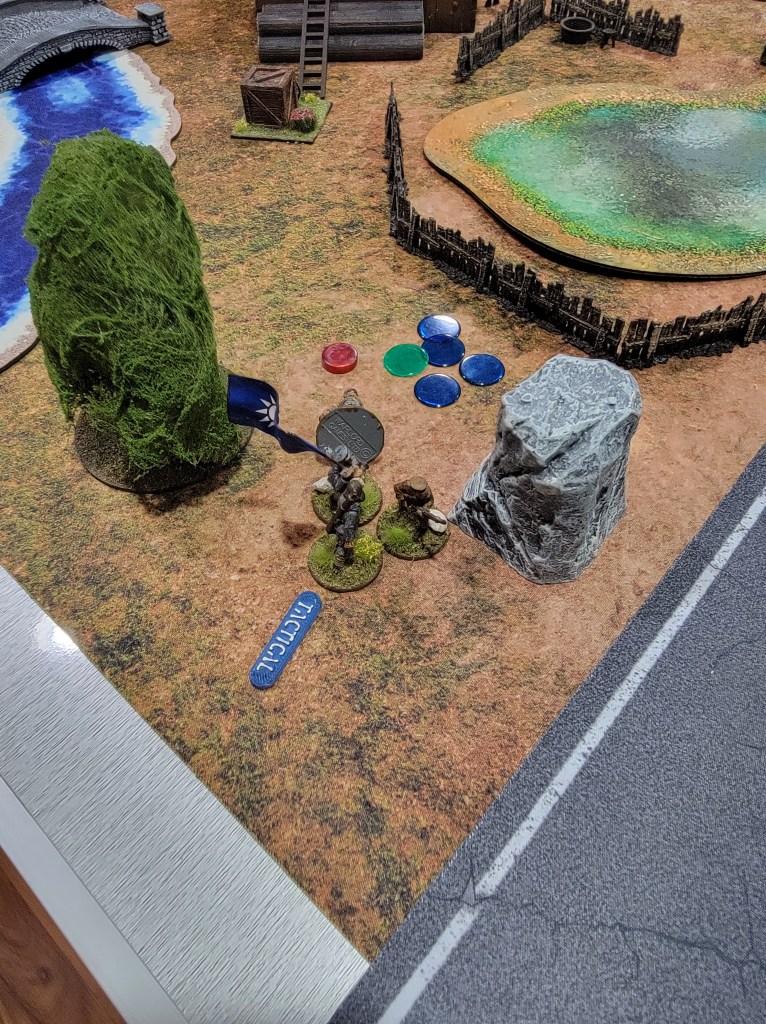
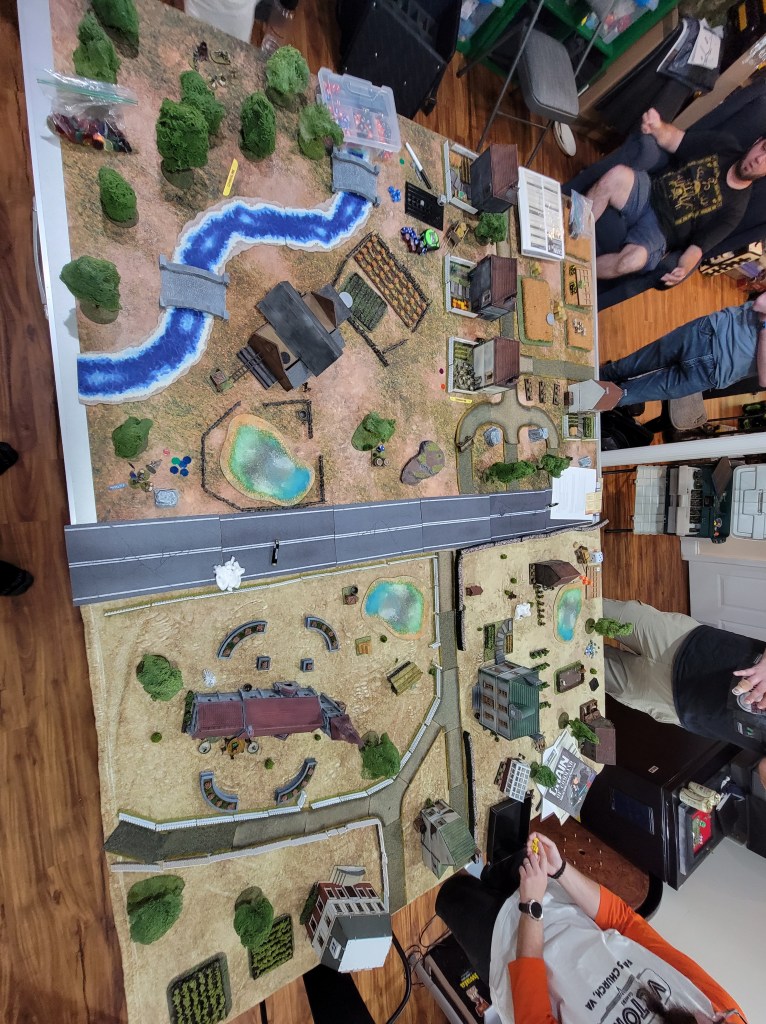
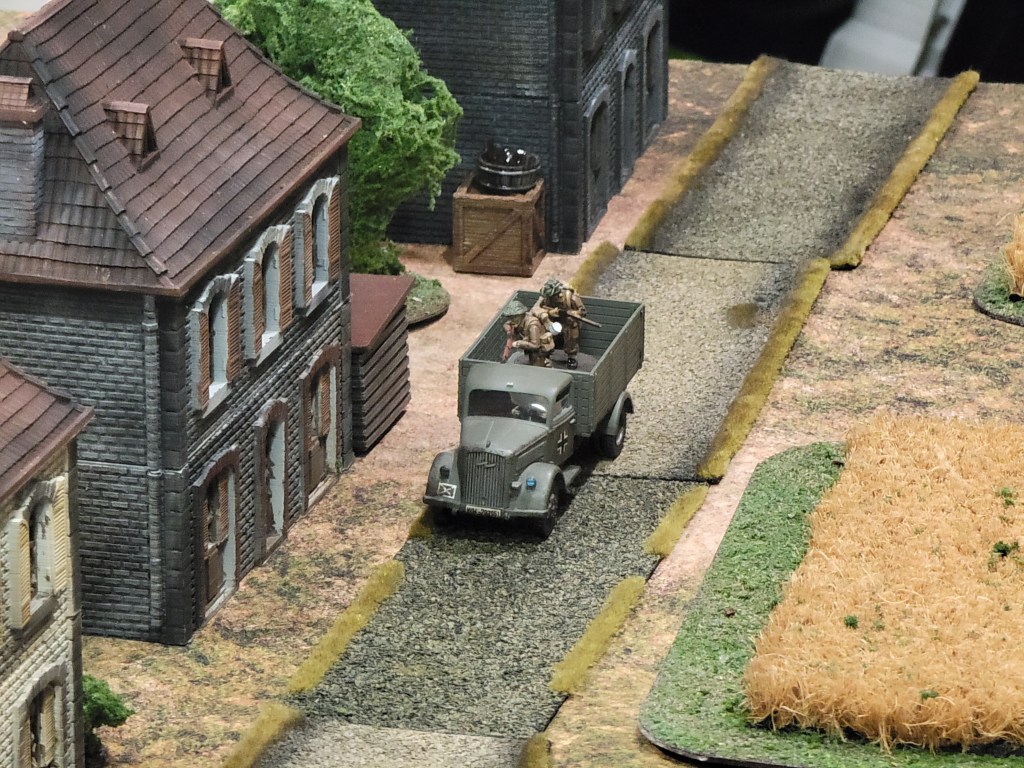
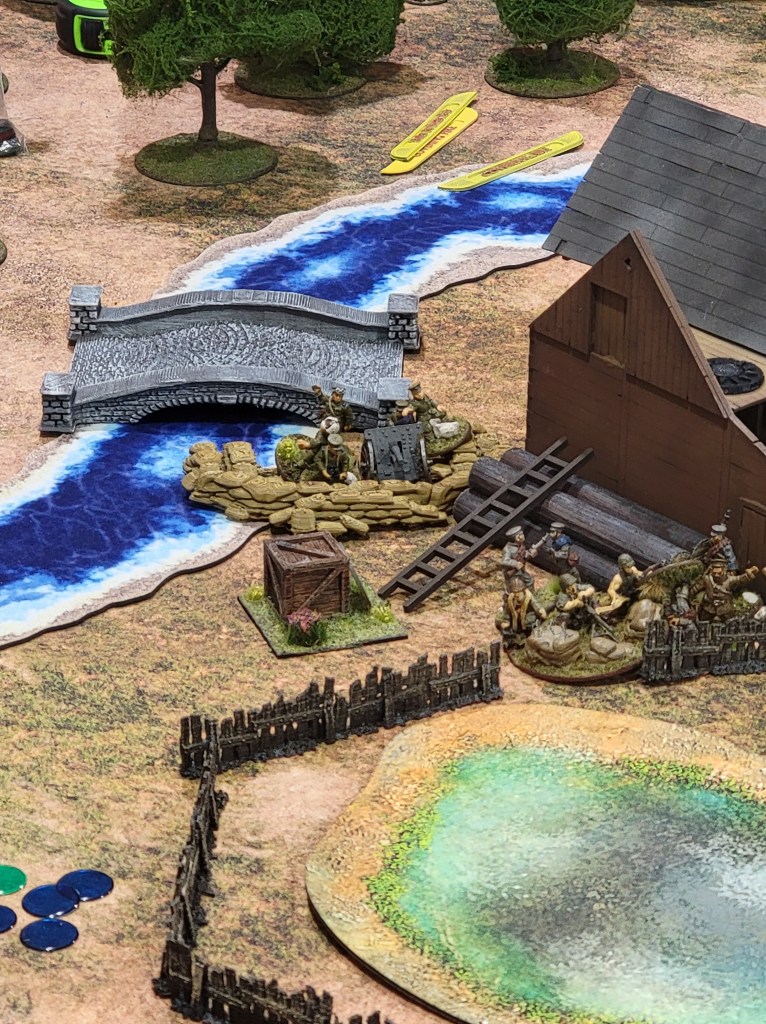
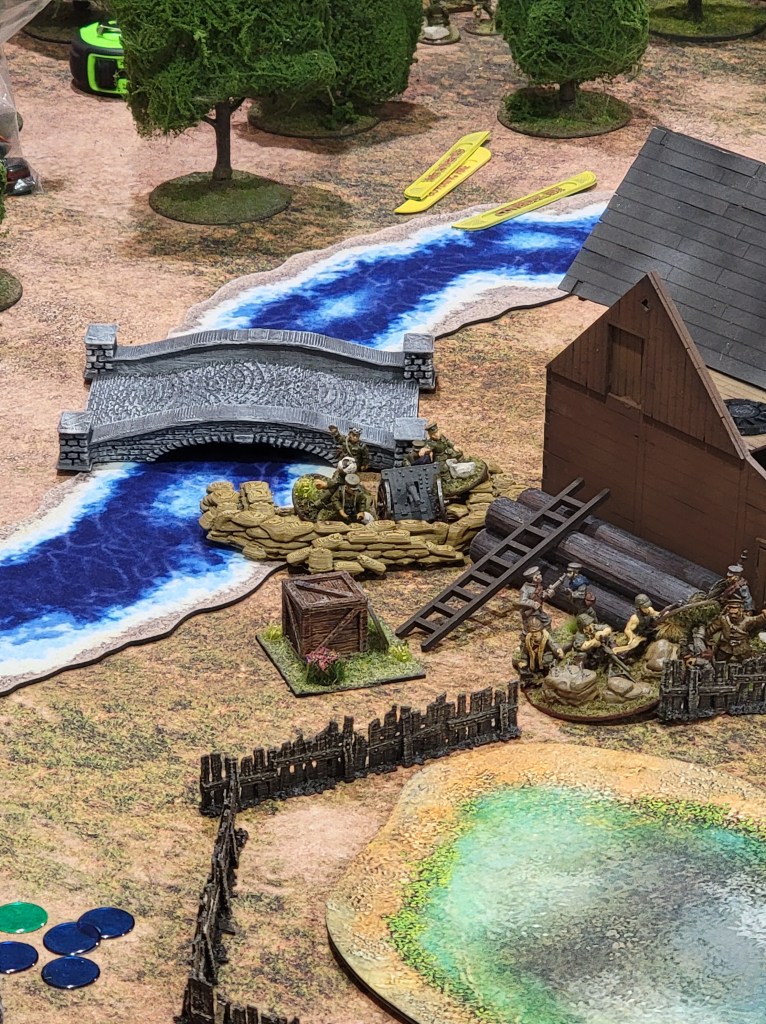
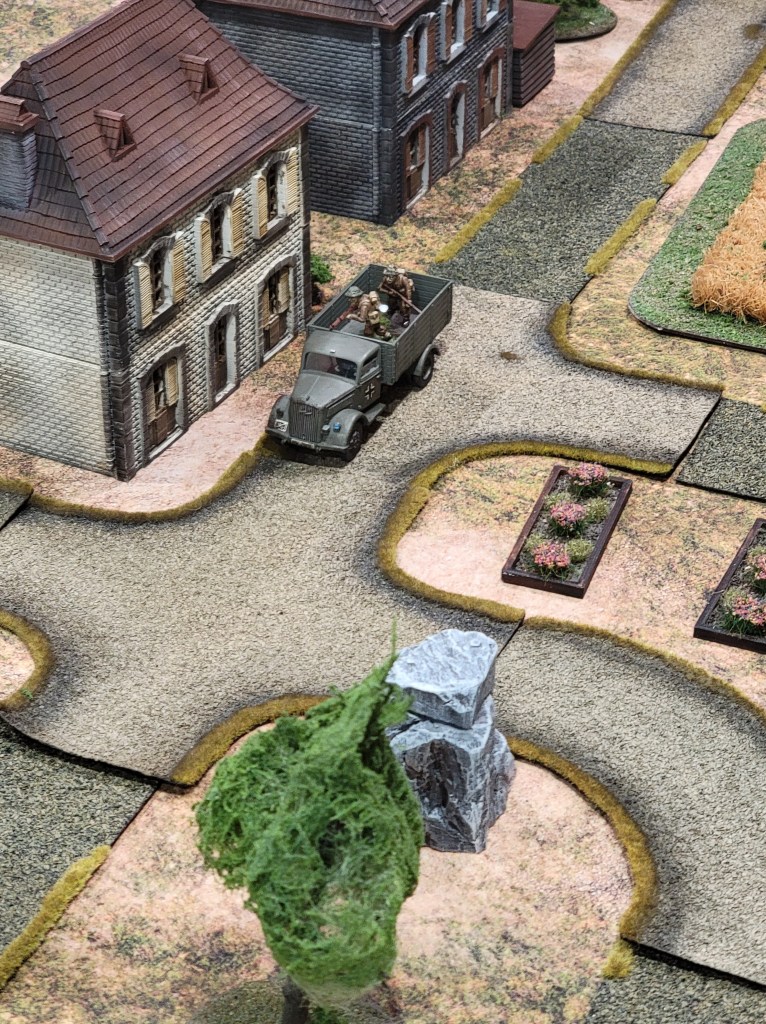
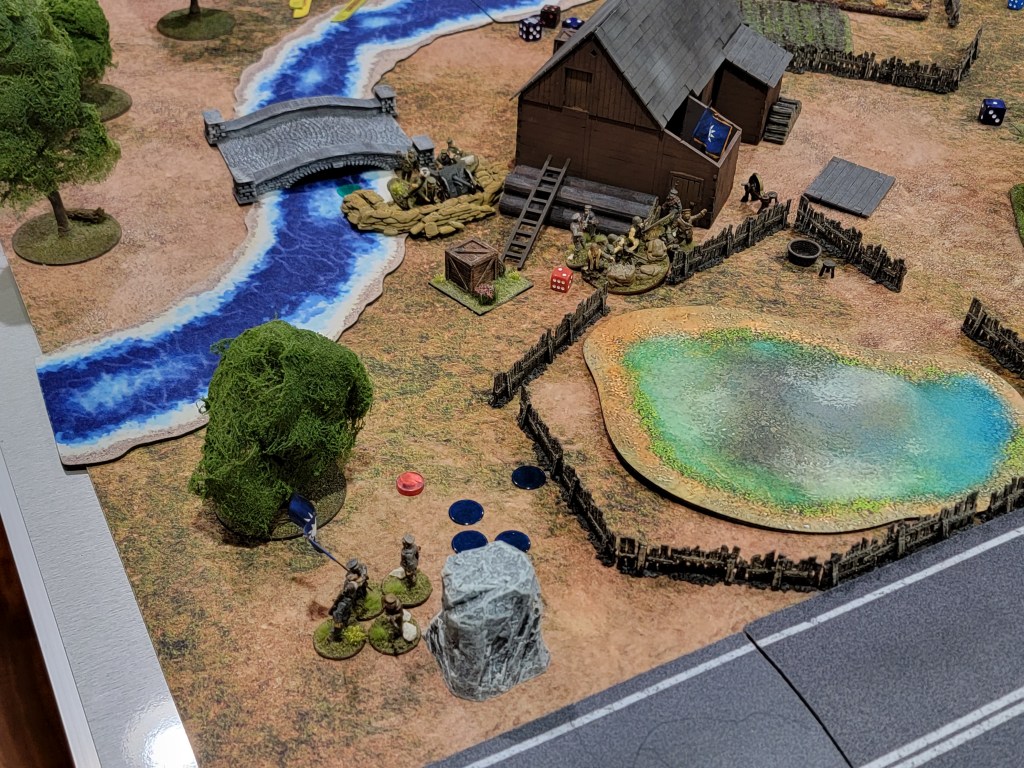
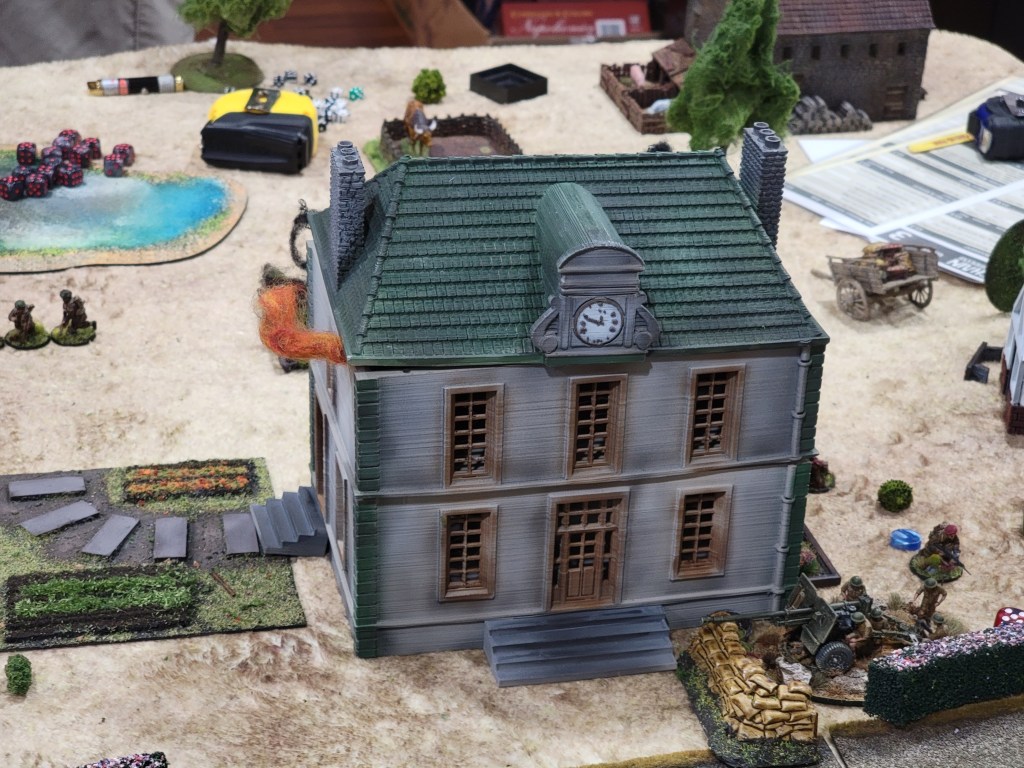
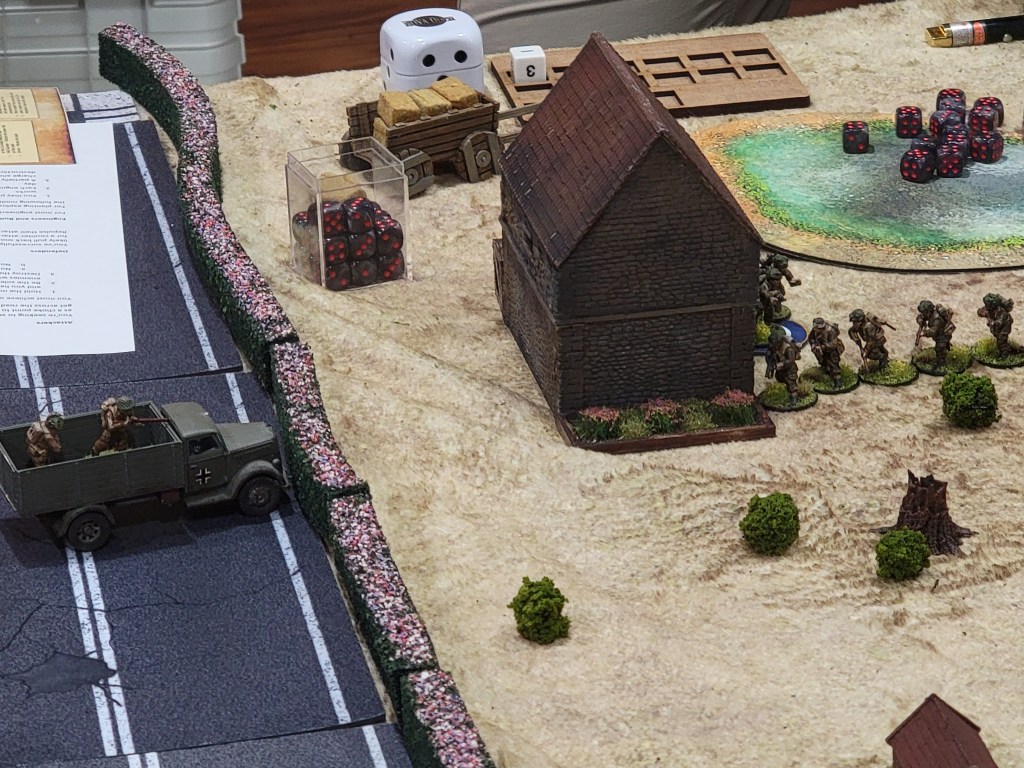
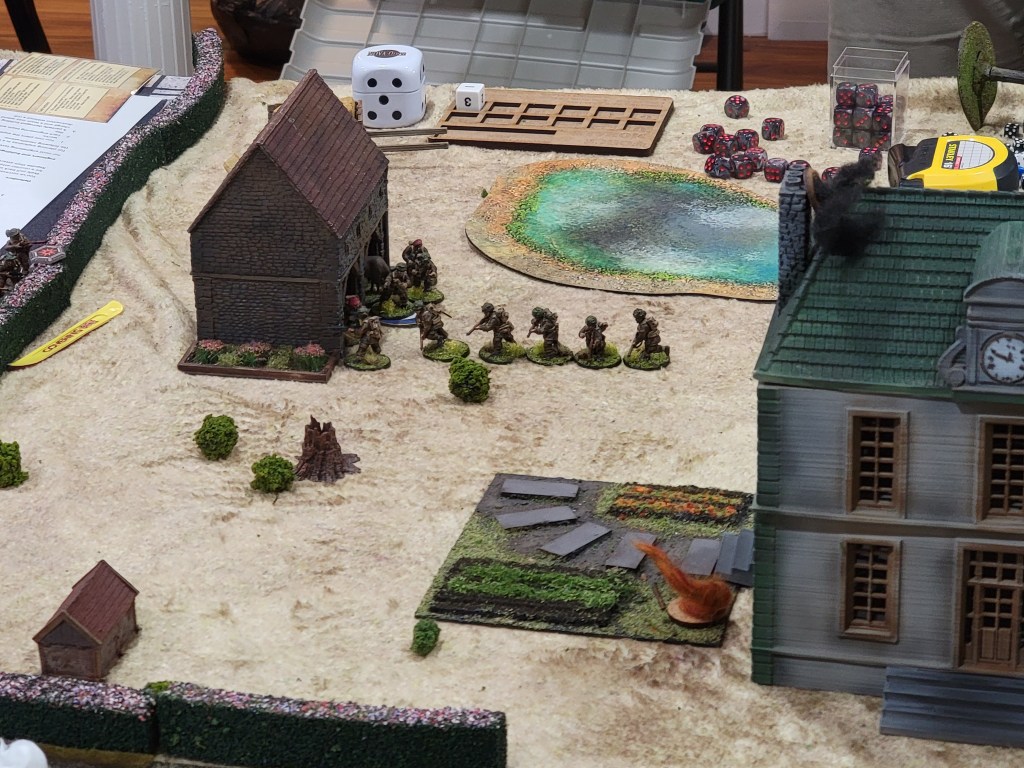
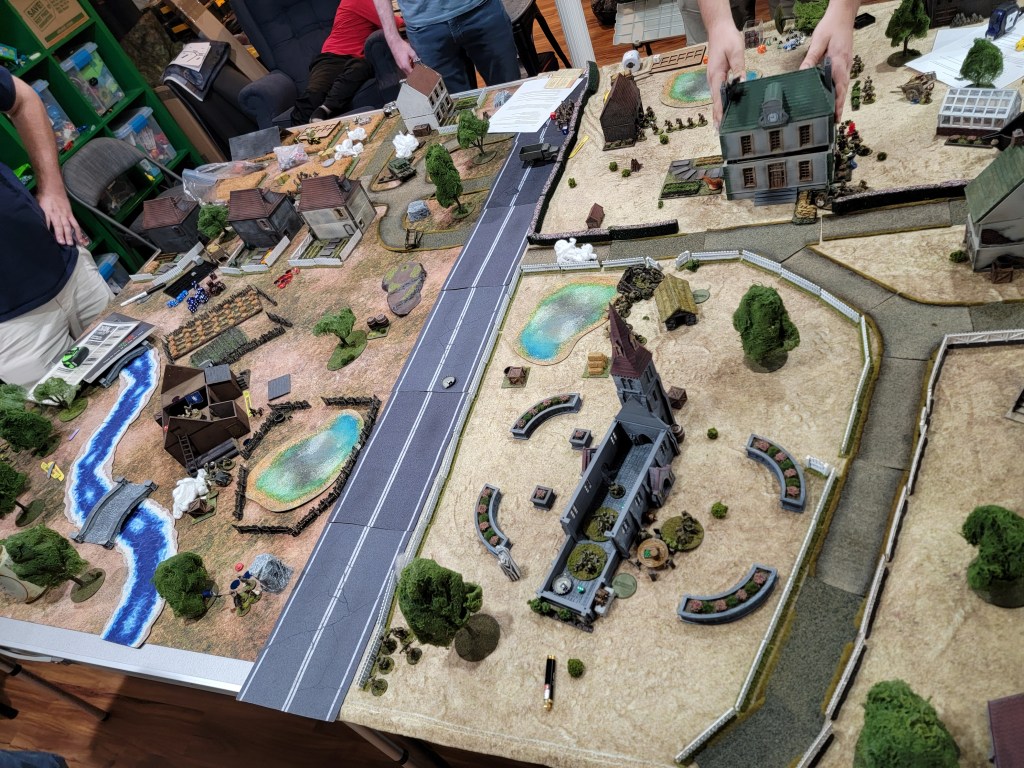
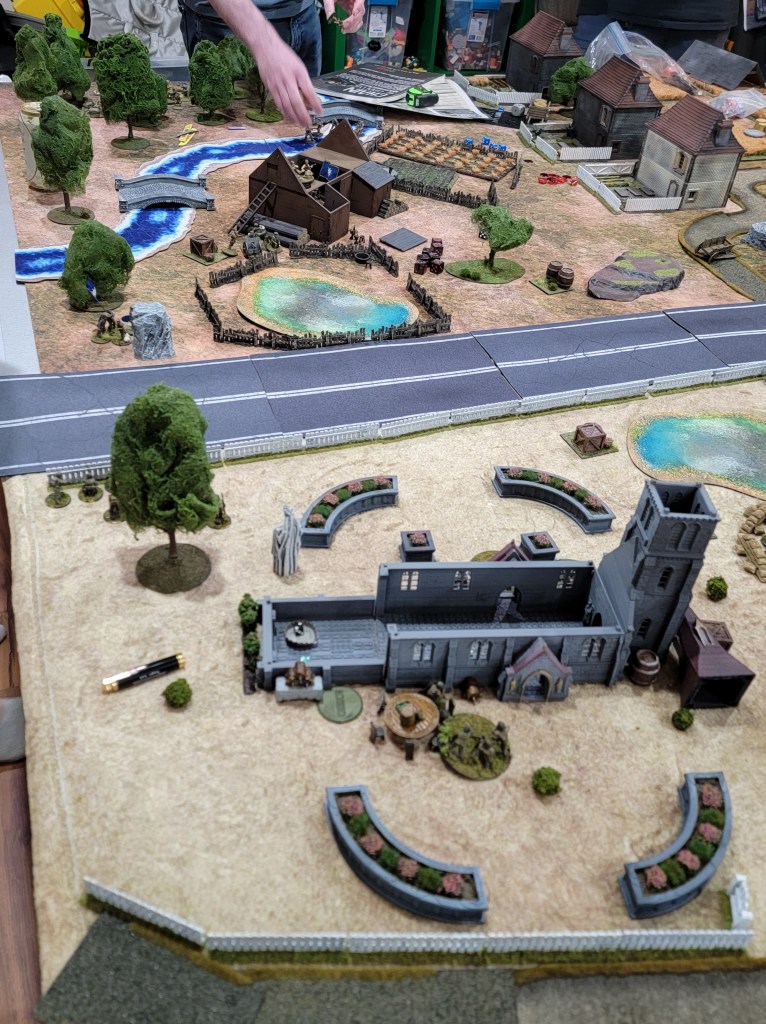
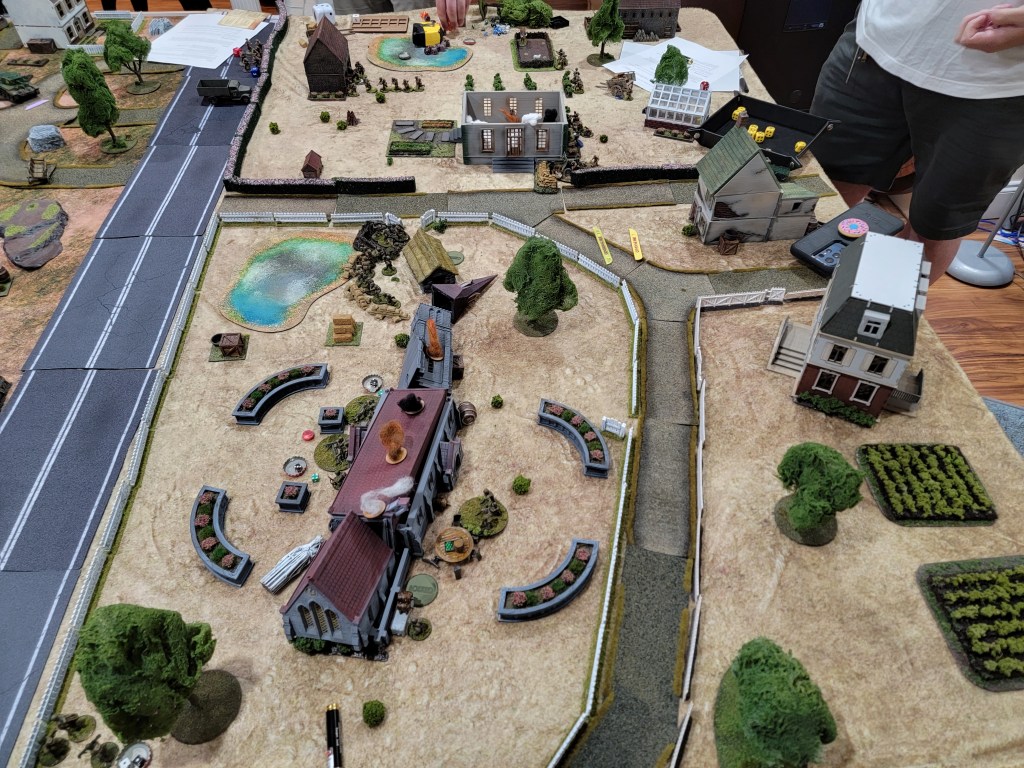
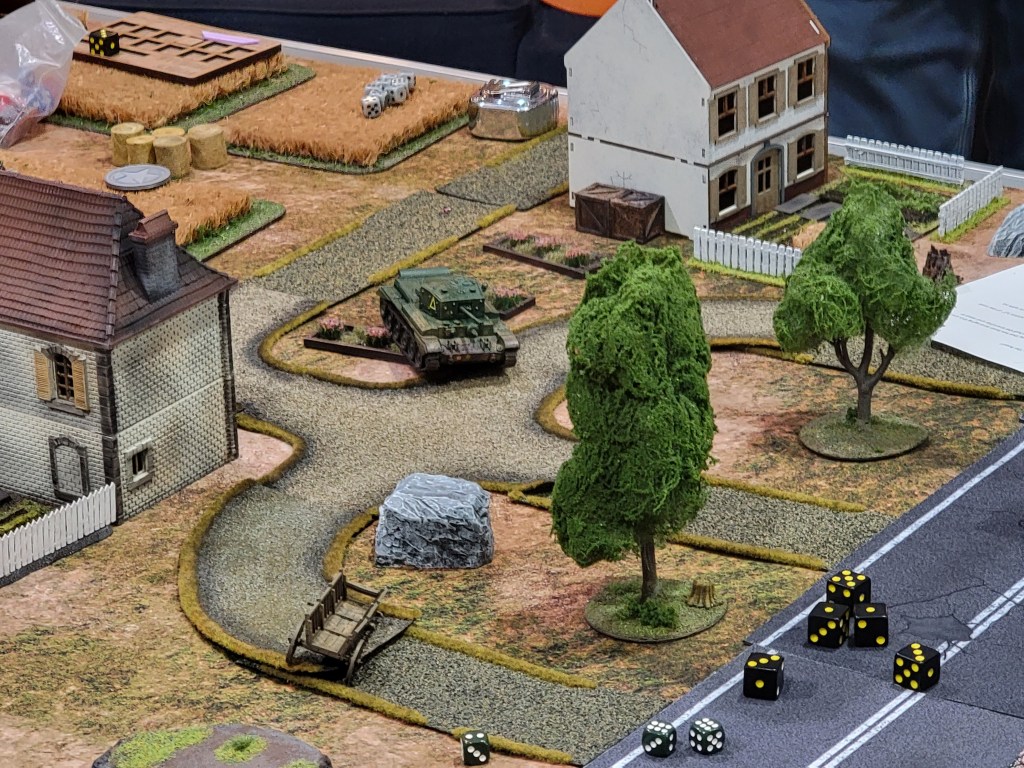
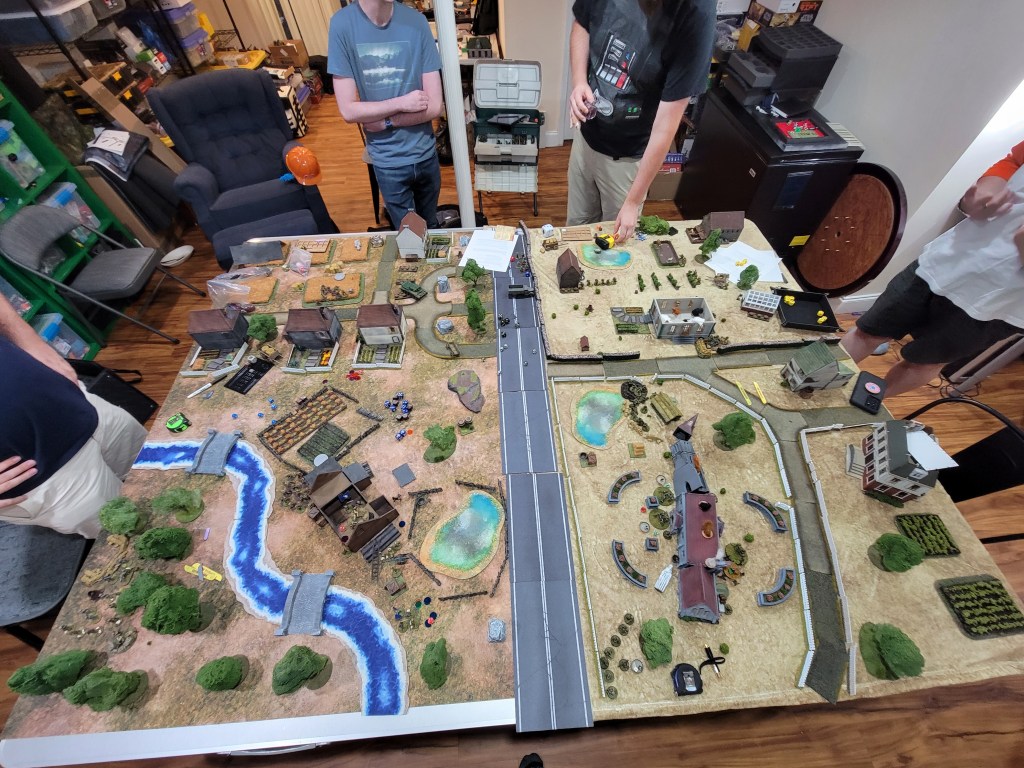
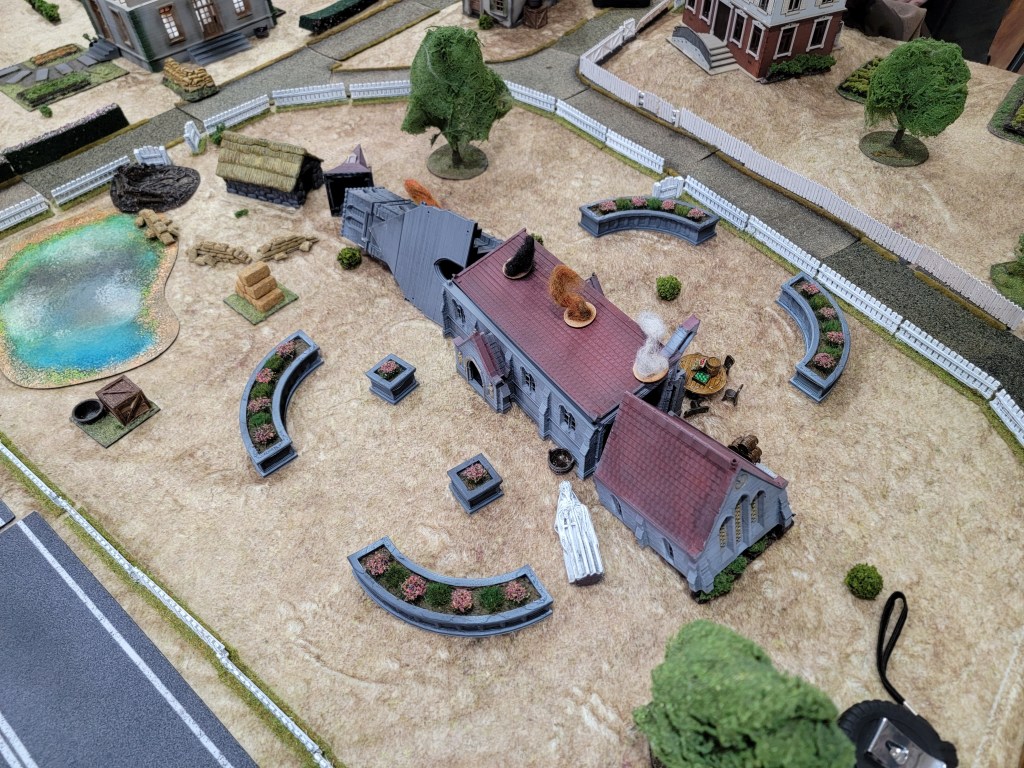
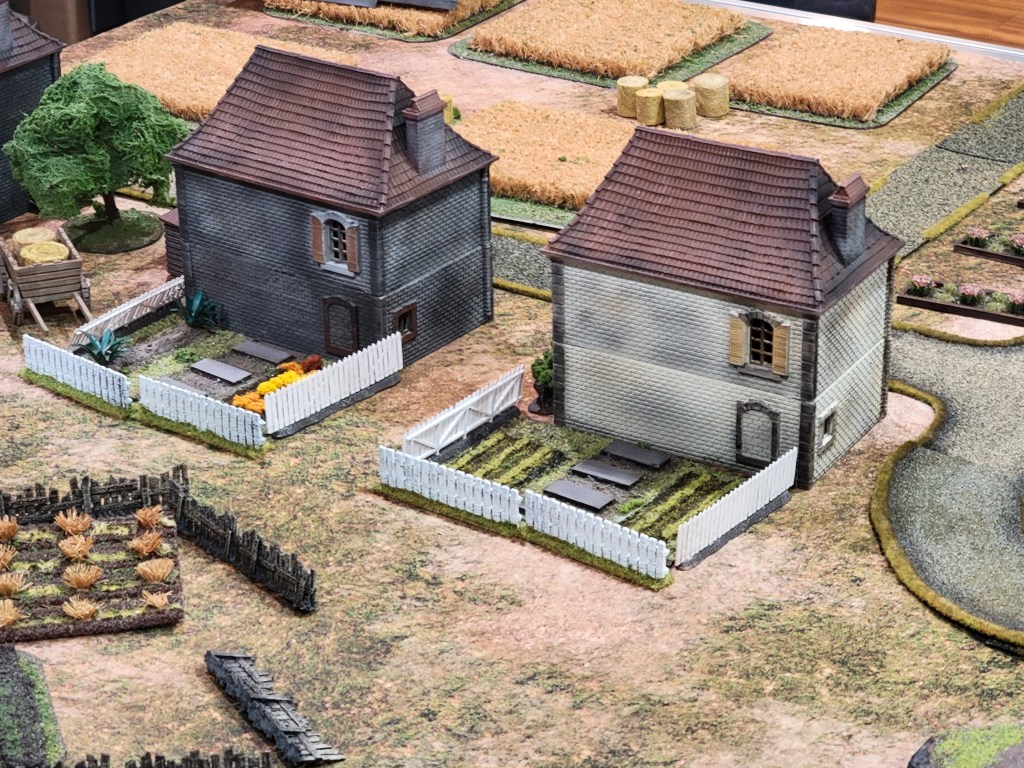
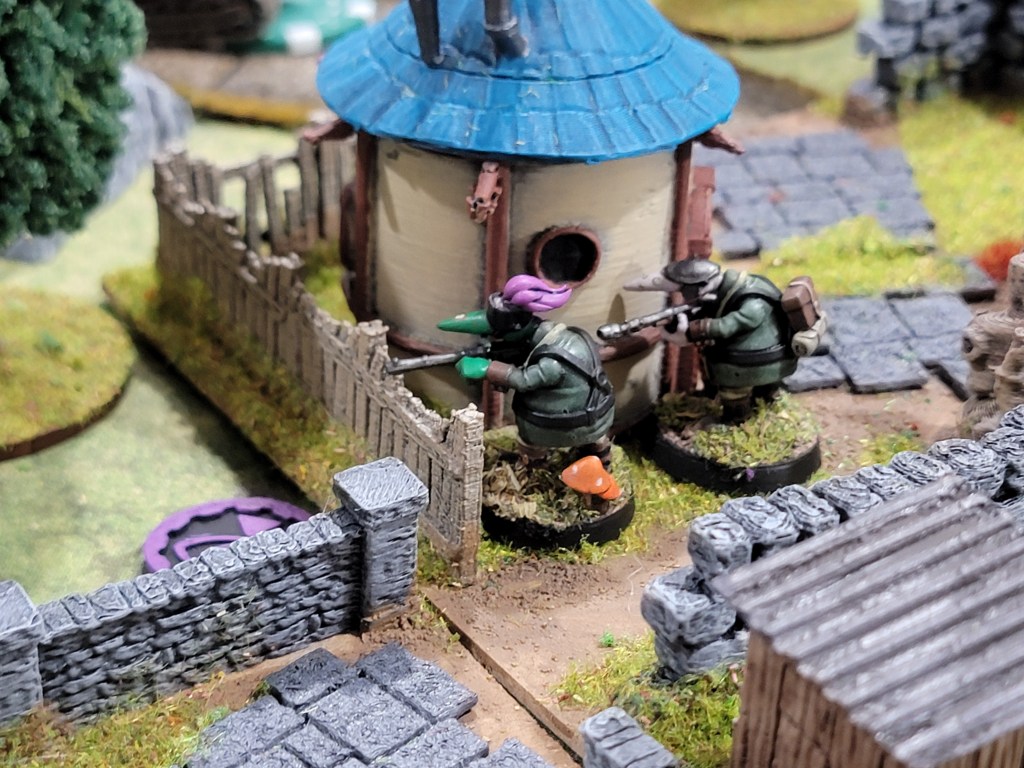
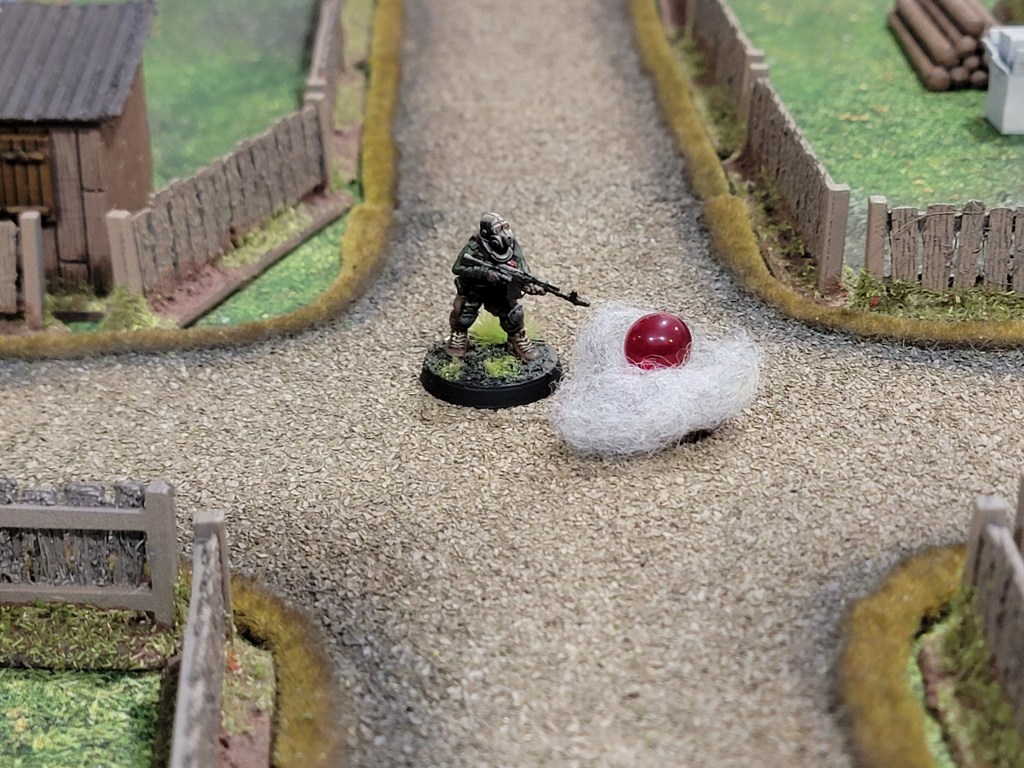
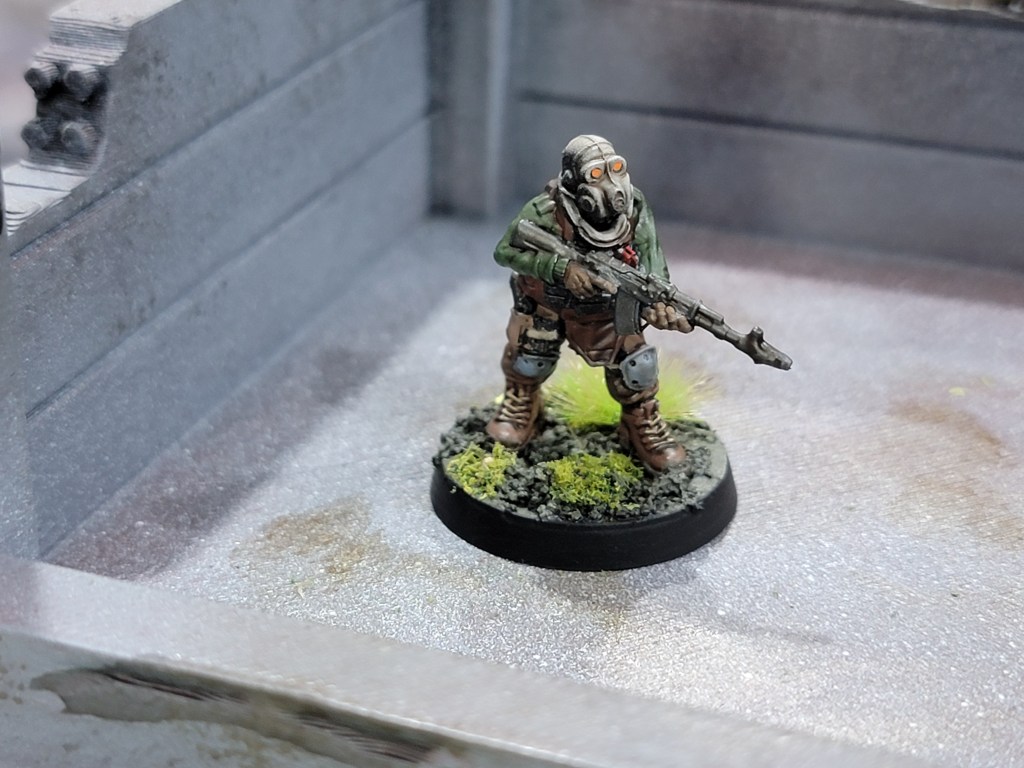
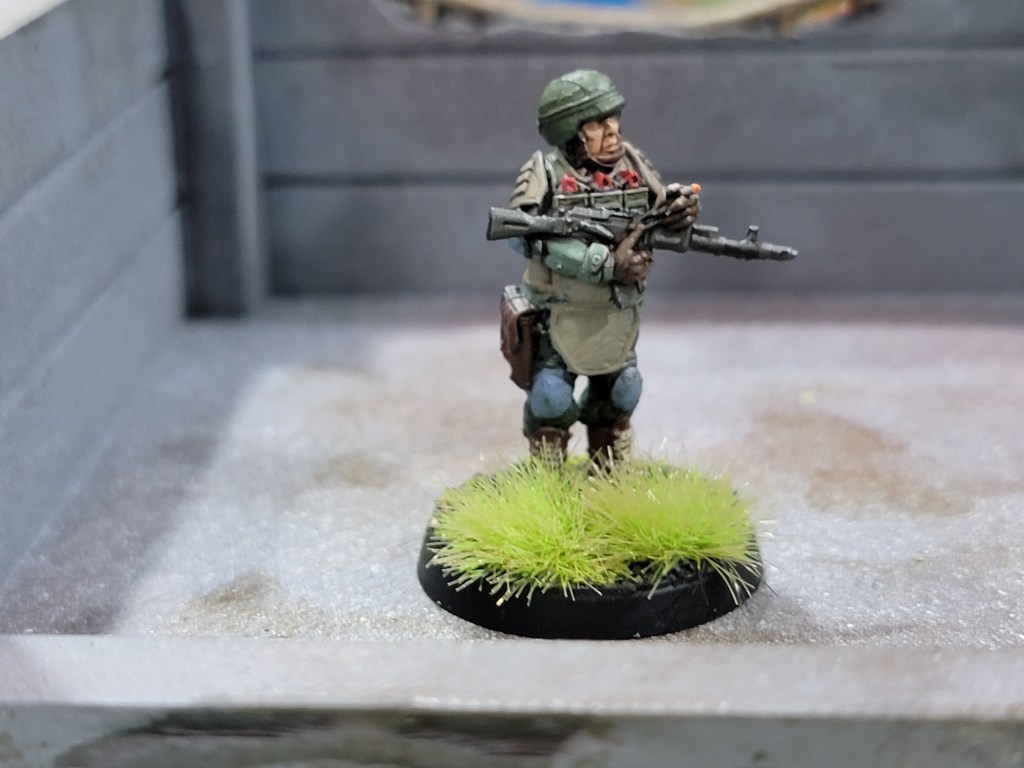
Anyway, high praise aside, here’s the photo dump. The table was 8×6 and made for a hell of a game. The two sides came in on the 6 foot board edges, so they were fighting lengthwise across the board. Forgive background clutter—this was in my basement, which despite several hours of effort still looks like a bit of a mess.
 Small Scale Victory
Leave a comment