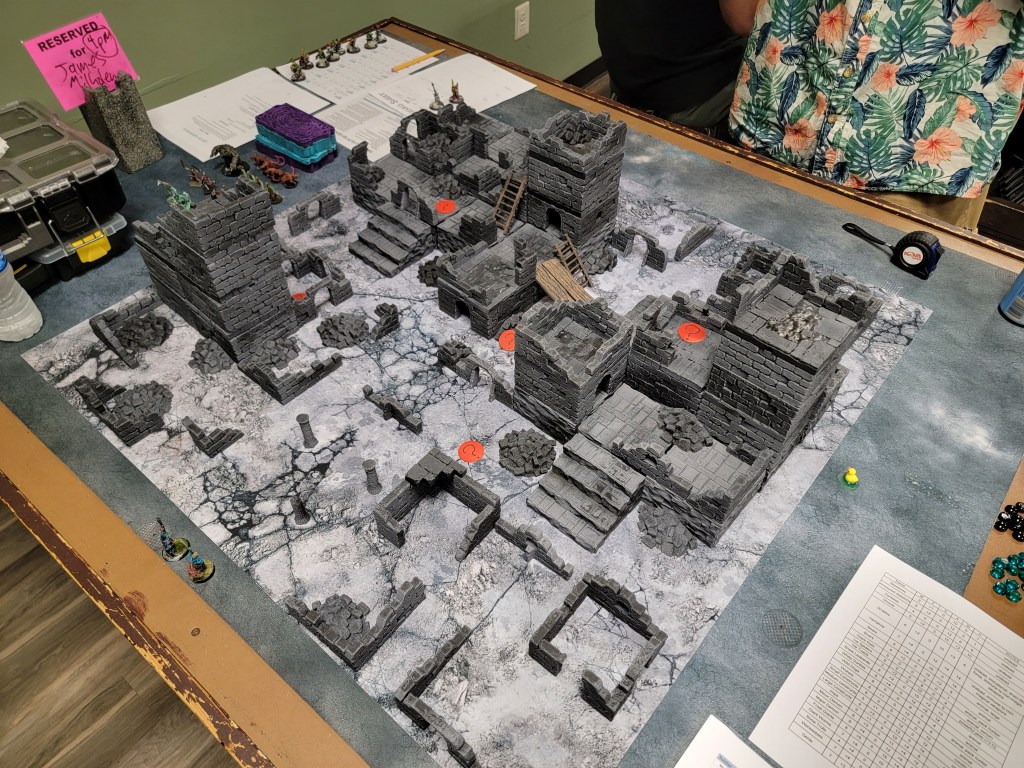
I had the chance to play a round of Frostgrave last weekend in preparation for the NOVA Open Frostgrave Campaign. Frostgrave, like all of McCullough’s works, sits a bit oddly for me. I can feel his direct vision and focus in the way that wizards come together: diverse, with many differing spells and the genuine opportunity to customize your own avatar on the table. You can see this focus in the fact that the infantry are, more or less, just stat lines with minor differences. It’s a game revolving around its campaign and narrative and it feels very evocative. It’s also pretty swingy, as many people have complained before me.
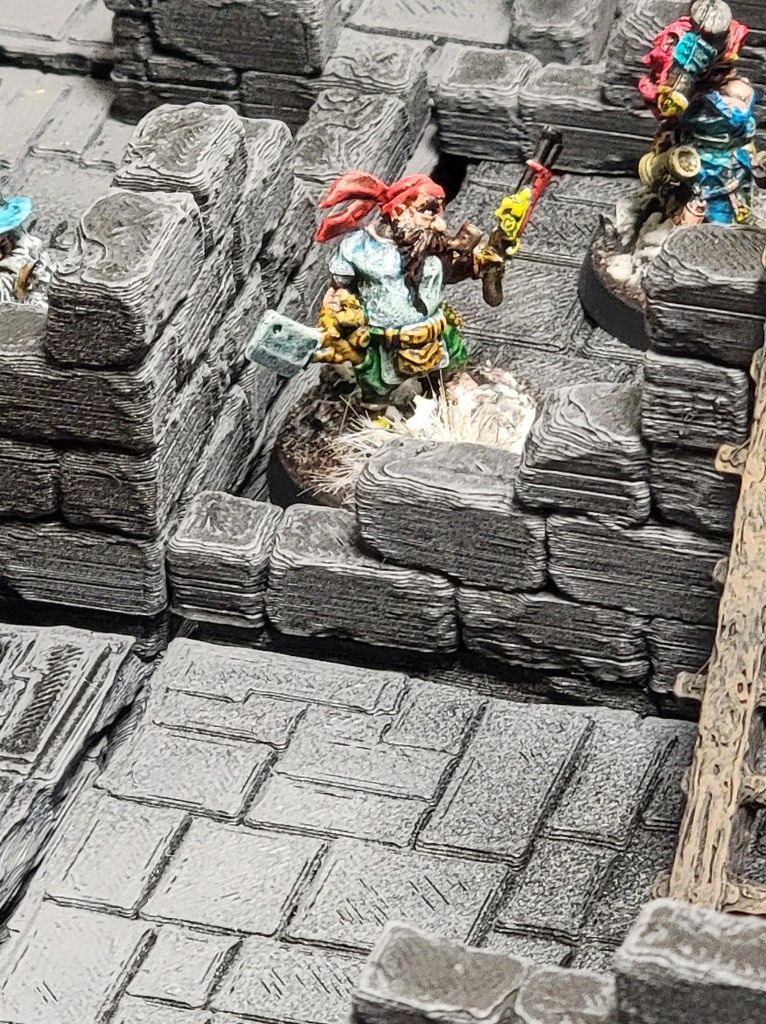
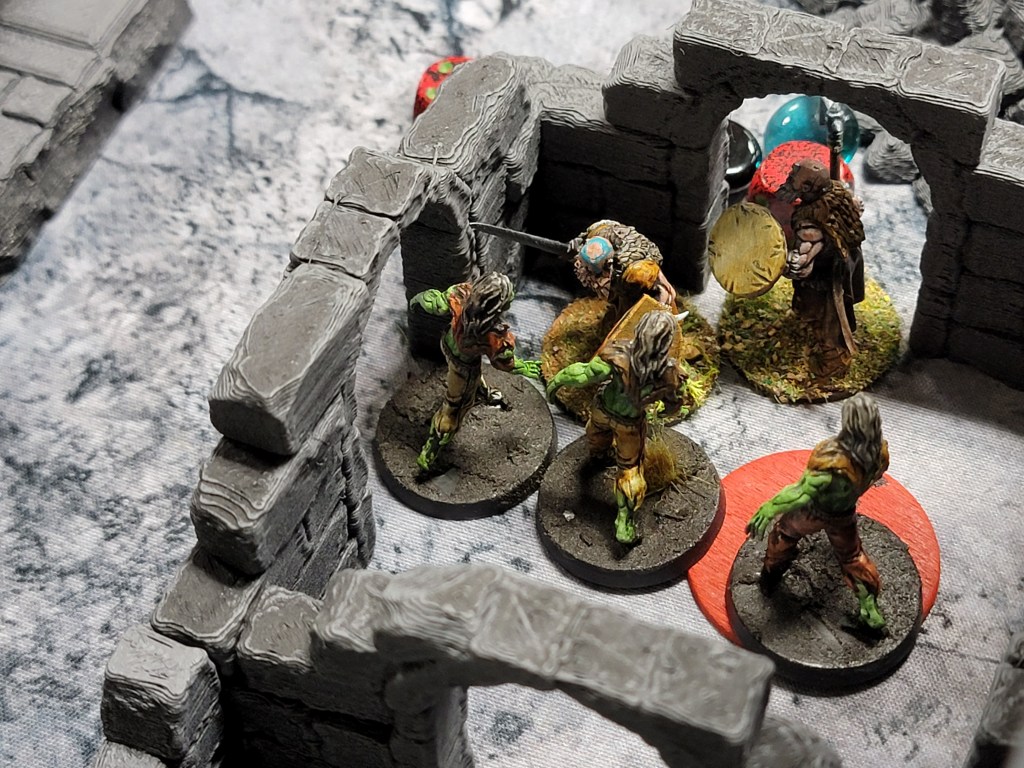
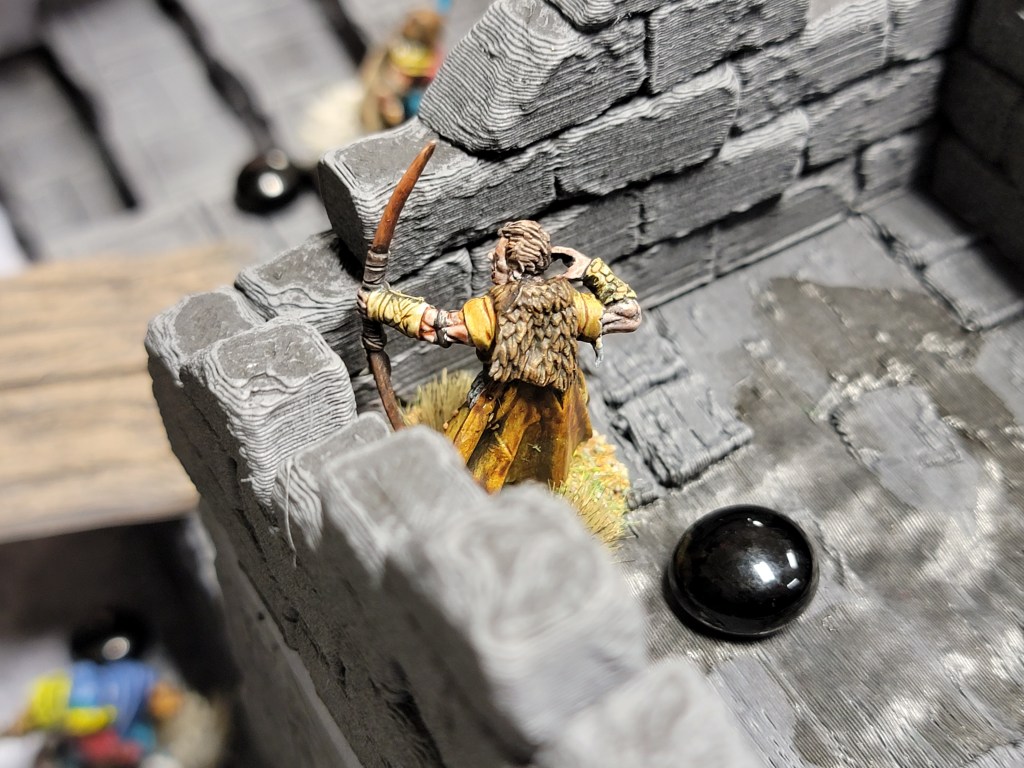
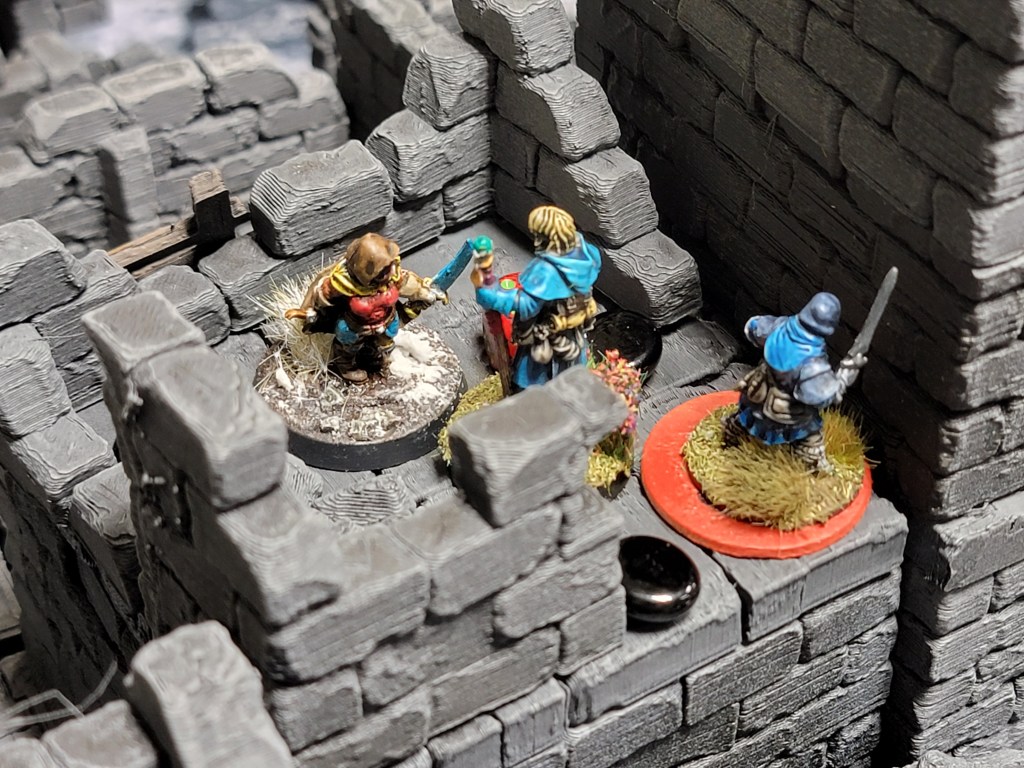
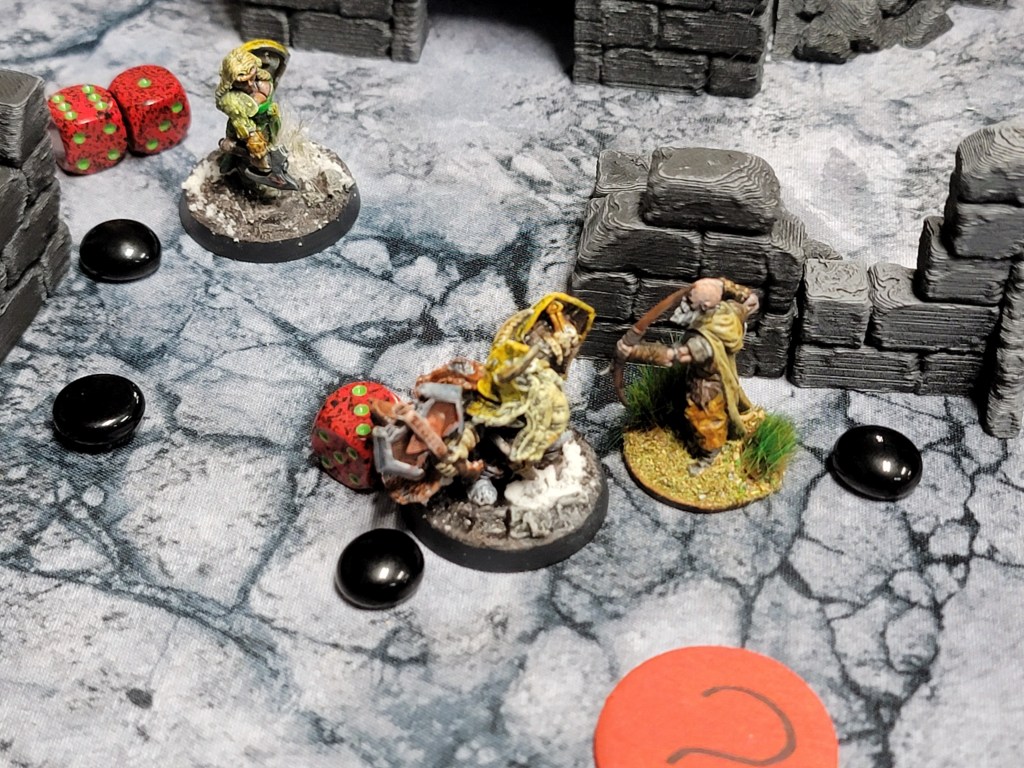
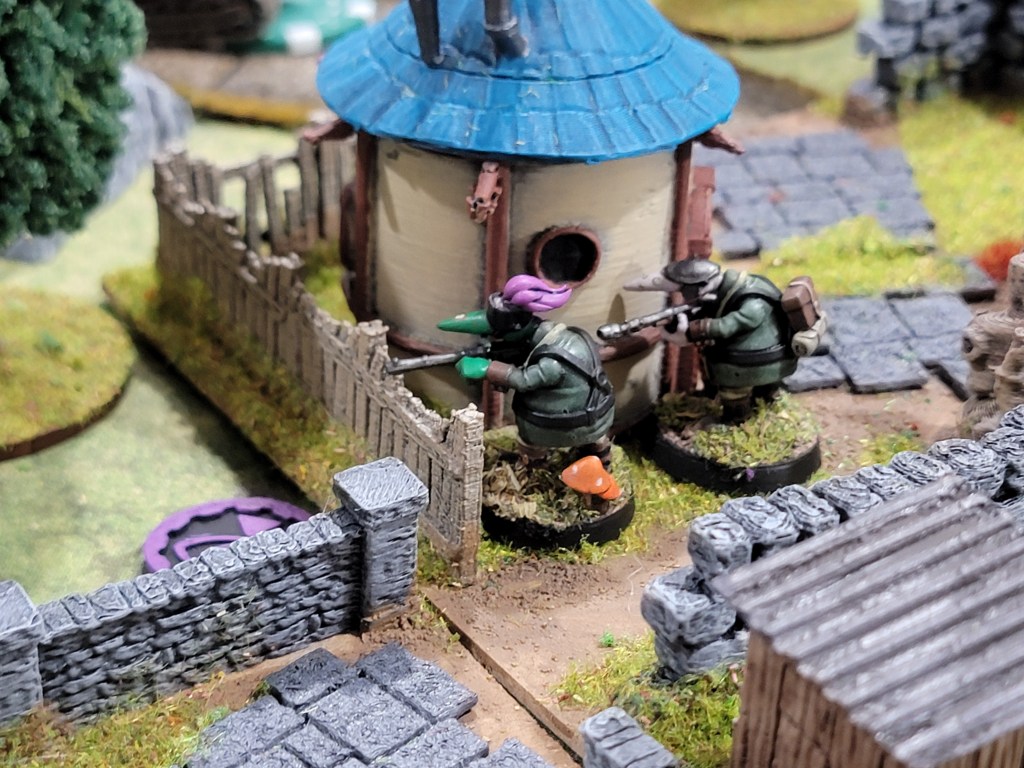
Great excuse to set up some beautiful tables, though:
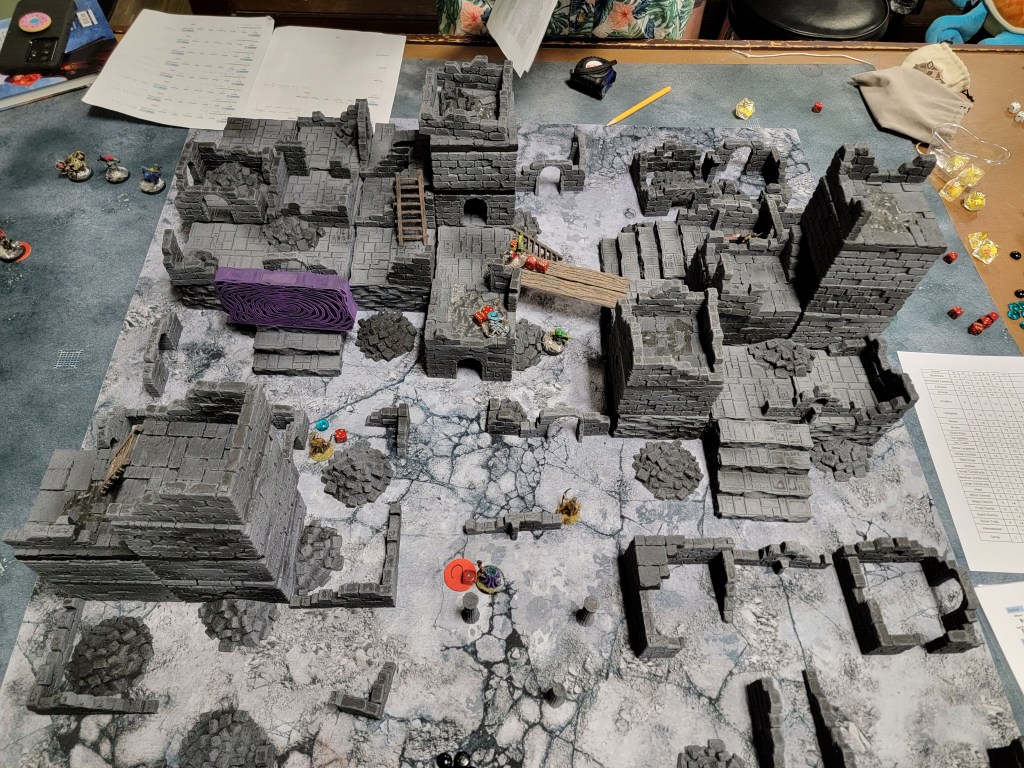
In practice, I need quite a few more games to form a solid opinion. For now I think it’s a fun narrative vehicle you shouldn’t take too seriously, which I think was the goal in the first place. My present estimate: mission accomplished, mostly.
One of the tricky things about having so many spells is that they’re not all created equal. This is a game you can “Power game” pretty ruthlessly, but you’d be missing the point. Issue for me thus far has been: why should I cast anything other than the most impactful spells in my arsenal? And even then, I can’t rely on spells enough to make a proper course of action plan revolving around them, which causes them to be reactive measures.
This further shapes what spells you bring—flexible, reactive spells are probably the best.
I’ll stop here and save it for a potential review.
The game itself was fun and dramatic, with a mid-game turnaround that led to a squeaker of an ending. I started with the advantage in positioning and managed to get to three of the treasures before my opponent could, but his counteroffensive saw half my team dropping like flies. Apparently, thieves don’t like combat.
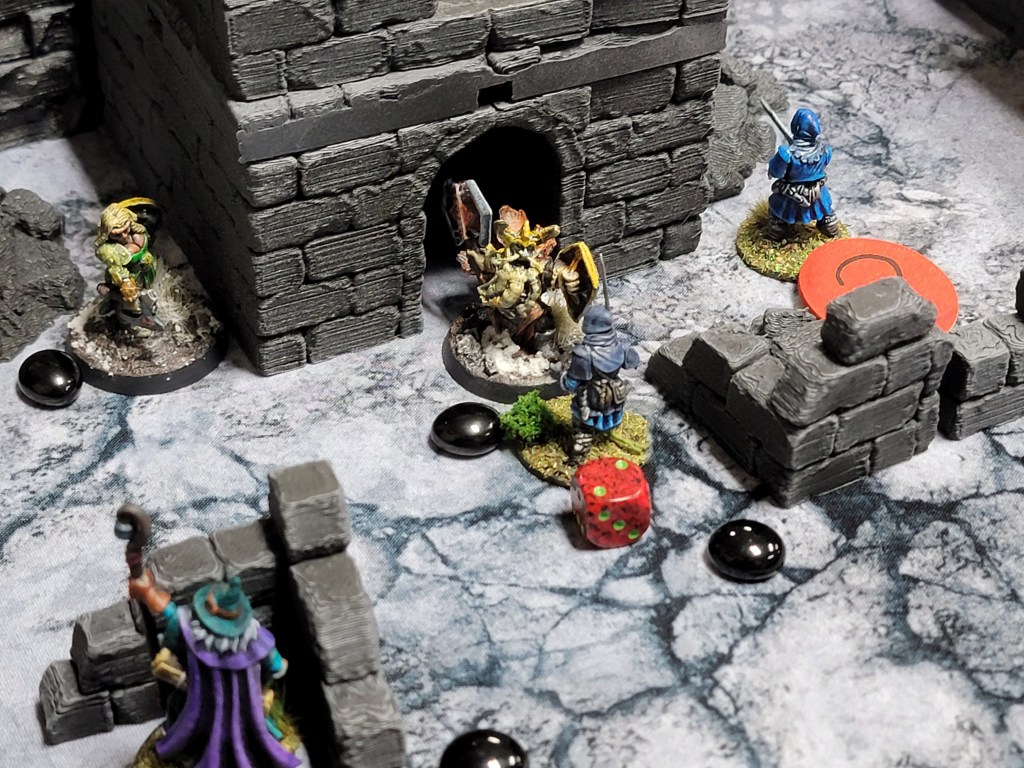
I managed to stall him using some Wall spells, but my victory really came down to silly lucky rolls. I managed a 20 or two in there to one-shot some of his men, turning around dire situations. I further managed to saturate one of the contested objectives to the point where he fell one point shy of killing my last man, who absconded with the treasure despite a Planar Tear holding him up.
Ultimately, his dumb luck won the battle.
I had fun and I can point to flaws in my plan as well as my opponent’s plan, but victory definitely depended on dumb dice rolls. I chalk this up to lack of experience for now. You need to plan for the randomness and control for it.
The reason I won, it could be argued, was due to my assessing the battlefield. I gave up two objectives when I recognized I needed only three to win and couldn’t spread myself so thin. In response, I threw bodies at the one objective I really needed. Dice rolls can screw you, but they average out over time. My 3-4 men managed to outlast the incoming attacks just by sheer number, and even then only skirted by as one man with one health.
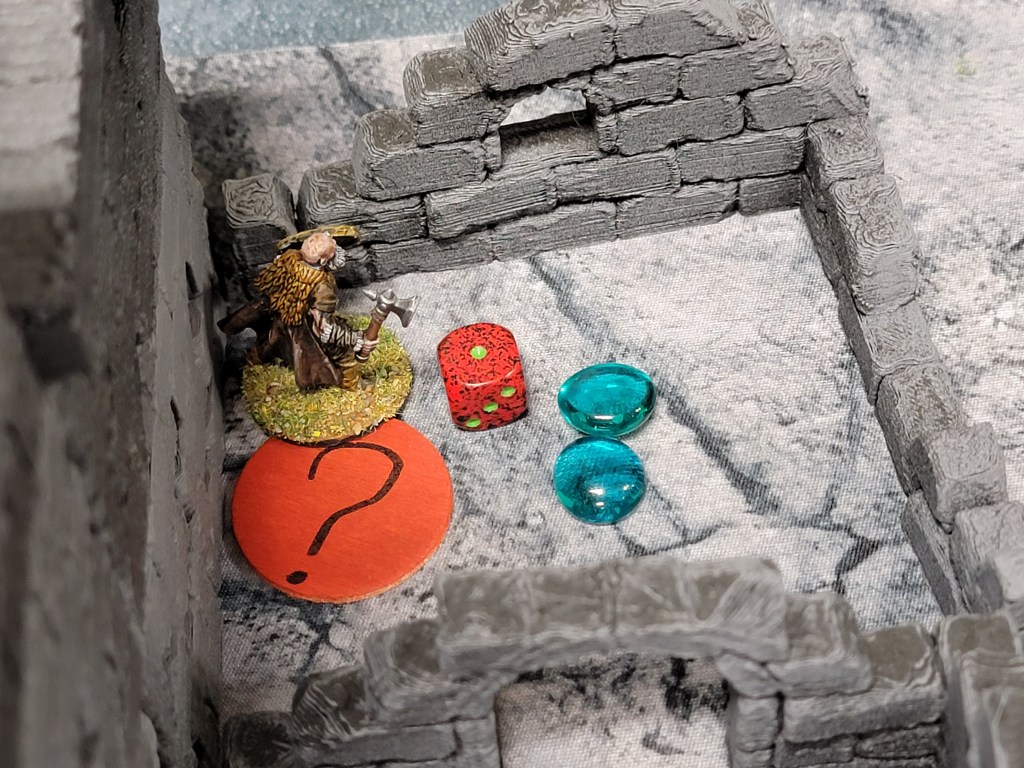
Now, had this been a campaign game (it was a learner game) I may have fought differently. I sacrificed my apprentice in a dramatic last stand and obviously lost multiple men for that one treasure I got off the board with. Would that actually be wise in a campaign? Probably not!
So again, more games to come. I think I’ll have a more solid opinion post-NOVA Open. I will say I had fun and I really look forward to my games at the end of the month. It also has me excited to try out Stargrave and The Silver Bayonet down the line. Especially the latter, as it uses 2D10, which creates a probability curve—something I strongly prefer in my games. In fact, I may gear toward Silver Bayonet sooner than later.
There’s always space for fun games with unique themes. It’s a big reason I like what McCullough is doing. Even if I can nitpick the games, I do think they always land on their core goals. He has a vision, he brings it to life. I’m a broken record, but I admire anyone who can pull that off—it isn’t as easy as it looks.
 Small Scale Victory
Leave a comment